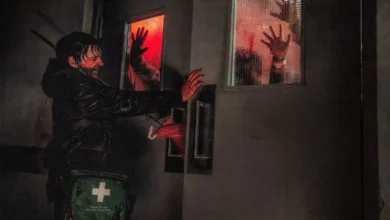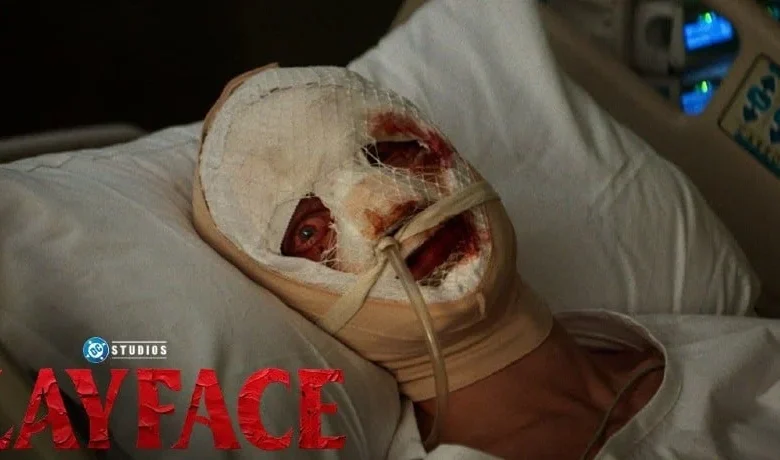
DC Studios embarks on its inaugural dive into the horror genre with "Clayface," a chilling thriller helmed by director James Watkins, featuring Tom Rhys Harries in the pivotal role of the iconic Gotham City villain. The film, set to debut in theaters on October 23rd, promises a visceral exploration of transformation, obsession, and the dark consequences of unchecked ambition.
The narrative of "Clayface" plunges into the harrowing metamorphosis of a once-promising Hollywood star, whose journey descends into that of a vengeance-fueled monstrosity. The story is deeply rooted in themes of identity erosion, the devastating impact of corrosive love, and the morally ambiguous depths of scientific pursuit. This cinematic venture marks a significant departure for DC Studios, signaling an ambitious expansion of its storytelling palette beyond traditional superhero epics and into the more psychologically unsettling territories of horror.
Genesis of a Horror Icon: The "Clayface" Project
The decision by DC Studios to tackle a horror-centric film, particularly one centered on a villain as malleable and monstrous as Clayface, represents a strategic move to diversify its cinematic universe and appeal to a broader audience. Clayface, a character with a long and complex history in DC Comics, offers a unique canvas for exploring themes of physical and psychological disintegration, making him an ideal subject for a horror narrative.
The character of Clayface has a varied history within the DC Comics lore, with multiple individuals assuming the mantle over the decades. The most prominent iterations include Basil Karlo, the original Clayface and a struggling actor who used a mask to commit murders; Matt Hagen, a treasure hunter who gained his shapeshifting abilities from a mysterious clay-like substance; and Preston Payne, a scientist whose experiments with a unique chemical compound led to his transformation. The film’s synopsis suggests a focus on the psychological unraveling of an individual, hinting at a narrative that may draw inspiration from these varied origins while forging its own distinct path.
The choice of James Watkins as director is a notable one, given his previous work on the critically acclaimed horror film "Eden Lake" (2008), which showcased his ability to craft intense, character-driven suspense and visceral scares. This pedigree suggests that "Clayface" will likely be a film that prioritizes atmosphere, psychological dread, and a grounded, unsettling portrayal of its central antagonist, rather than relying solely on overt jump scares.
Tom Rhys Harries, cast in the titular role, has garnered attention for his performances in projects like "The White Princess" and "Britannia." His casting as Clayface signals an opportunity for him to delve into a complex and physically demanding role that requires both dramatic depth and a capacity for portraying monstrous transformation. The success of the film will undoubtedly hinge on his ability to convey the internal struggle and external horror of the character.
A Descent into Darkness: Narrative Themes and Cinematic Approach
"Clayface" is positioned as a horror thriller, a genre that allows for a deep exploration of primal fears and societal anxieties. The synopsis highlights key thematic elements:
- Loss of Identity and Humanity: The transformation of a rising Hollywood star into a "revenge-filled monster" inherently speaks to the erosion of self. This suggests a narrative that delves into the psychological toll of fame, ambition, and perhaps betrayal, leading to a complete alteration of one’s core being. The malleable nature of Clayface’s form can serve as a powerful visual metaphor for this internal disintegration.
- Corrosive Love: The inclusion of "corrosive love" as a central theme adds a layer of relational complexity and potential for tragic melodrama. This could imply a relationship that, instead of nurturing, actively contributes to the protagonist’s downfall, perhaps through manipulation, obsession, or a toxic codependency.
- The Dark Underbelly of Scientific Ambition: The history of Clayface often involves scientific experimentation or accidental exposure to transformative substances. This theme suggests a cautionary tale about the pursuit of knowledge or power without ethical boundaries, and the devastating consequences that can arise when ambition overrides humanity.
The film’s tagline, "Look fear in the face," is a direct invitation to confront the horrors that lie not only within the character of Clayface but also potentially within the audience themselves. It suggests a narrative that aims to be unsettling and thought-provoking, pushing the boundaries of what is typically expected from a DC Studios production.
The Cinematic Landscape: DC Studios’ Genre Expansion
DC Studios has historically focused on superhero action and adventure, with its cinematic universe built around iconic characters like Superman, Batman, and Wonder Woman. While these films have often incorporated elements of darkness and moral ambiguity, a full-fledged horror thriller represents a significant strategic pivot.
This expansion into horror can be seen as a response to the evolving landscape of the film industry, where genre diversification is key to capturing a wider demographic. Furthermore, it allows DC Studios to tap into the rich thematic potential of its more monstrous and psychologically complex villains, offering a fresh perspective on established characters.
The success of horror films in recent years, such as "It" (2017), "A Quiet Place" (2018), and "Smile" (2022), has demonstrated a strong audience appetite for well-crafted scares and compelling narratives within the genre. By venturing into horror with "Clayface," DC Studios is aiming to carve out a unique niche within its own franchise and attract a dedicated horror fanbase.
The choice of a character like Clayface, who is not as universally known as Batman or Superman but possesses immense potential for visual and thematic exploration, is a shrewd move. It allows for creative freedom and the opportunity to redefine the character for a new generation of viewers.
Production and Release: A Glimpse Behind the Scenes
While specific details regarding the production timeline and early development of "Clayface" are not yet widely available, the announcement of its theatrical release date on October 23rd signals that the film is well into its post-production or has recently completed principal photography. This date places it in a prime position for the fall movie season, often a lucrative period for horror releases leading up to Halloween.
The inclusion of a trailer, as indicated by the embedded YouTube link, is crucial for generating early buzz and providing audiences with a visual preview of the film’s tone, style, and the performance of Tom Rhys Harries. Trailers for horror films often rely on atmosphere, unsettling imagery, and carefully curated sound design to convey the intended emotional impact.
The promotional materials, including the tagline and trailer, suggest a film that aims to be both terrifying and thought-provoking, a hallmark of successful horror cinema. The focus on an intimate, character-driven descent into monstrosity, rather than a large-scale spectacle, differentiates it from many previous DC Studios offerings.
Industry Reactions and Fan Anticipation
While official statements from DC Studios executives or other key personnel regarding "Clayface" are limited to the initial announcements, the move into horror is likely to be met with a mixture of anticipation and curiosity from both industry insiders and the fan community.
Industry analysts may view this as a calculated risk by DC Studios to broaden its appeal and explore new creative avenues. The success of this venture could pave the way for further genre explorations within the DC universe, potentially leading to films featuring other horror-adjacent characters like Swamp Thing, Etrigan the Demon, or even more psychologically driven villains.
The DC Comics fan base, known for its passionate engagement with the characters and their cinematic adaptations, will likely be eager to see how Clayface is portrayed. The character’s shapeshifting abilities offer immense visual possibilities, and fans will be keen to see how the film leverages these to create a unique and memorable horror experience. The anticipation will be particularly high for Tom Rhys Harries’ performance, as well as for James Watkins’ directorial vision.
Early reactions from those who may have had early access to footage or screenings, if any have occurred, will be critical in shaping public perception. The nature of horror is subjective, but a strong critical consensus on the film’s effectiveness in delivering scares and thematic depth will be a significant factor in its box office performance and long-term reception.
Broader Implications for the DC Cinematic Universe
The introduction of "Clayface" as a horror thriller has several potential implications for the future of the DC Cinematic Universe:
- Genre Diversification: This move signals a clear intention by DC Studios to move beyond its established genre boundaries. If successful, it could open the door for more diverse storytelling approaches, potentially leading to films in other genres such as noir, psychological thrillers, or even more experimental narratives.
- Character Reimagining: By focusing on a character like Clayface, DC Studios is demonstrating a willingness to delve into its more niche and complex villains. This could inspire future projects that explore the darker, more ambiguous aspects of the DC universe, moving away from a purely heroic narrative.
- Creative Freedom: A horror film often allows for greater creative freedom in terms of tone, visual style, and thematic exploration. This project could serve as a testing ground for new creative teams and directorial visions within the DC ecosystem.
- Audience Engagement: Successfully venturing into a new genre can attract new segments of the audience who may not typically engage with superhero films. This could lead to a broader and more diverse fanbase for DC Studios.
- Potential for a Shared Horror Universe: While speculative at this stage, a successful "Clayface" film could potentially lay the groundwork for a shared horror-focused corner of the DC universe, introducing and developing other supernatural or monstrous characters in a cohesive manner.
The release of "Clayface" is more than just another superhero-adjacent film; it represents a bold strategic decision by DC Studios to redefine its cinematic identity. The film’s success or failure will undoubtedly influence the studio’s future creative direction, potentially ushering in a new era of genre-bending storytelling within the expansive world of DC Comics. The anticipation is palpable as audiences await the chance to face the horror that Clayface promises to deliver.