Vampire Carnival Arrives in Theaters This October Bringing Psychological Horror to the Big Screen

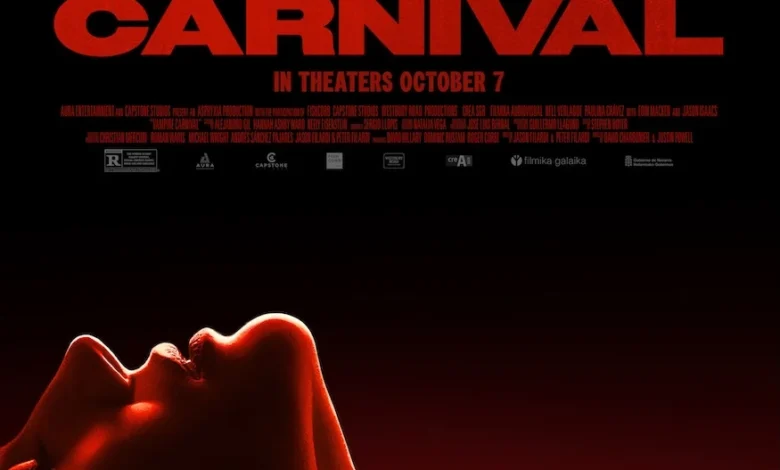
The landscape of modern cinematic horror is set to shift once more as Aura Entertainment prepares to release its latest genre entry, Vampire Carnival. Slated to hit theater screens nationwide on October 7, the film represents the newest collaborative creative venture from directors David Charbonier and Justin Powell. Known previously for helming atmospheric and tense thrillers such as The Djinn and The Boy Behind the Door, the directing duo has turned their lens toward a distinctly darker, more metaphorical exploration of isolation, grief, and psychological decay.
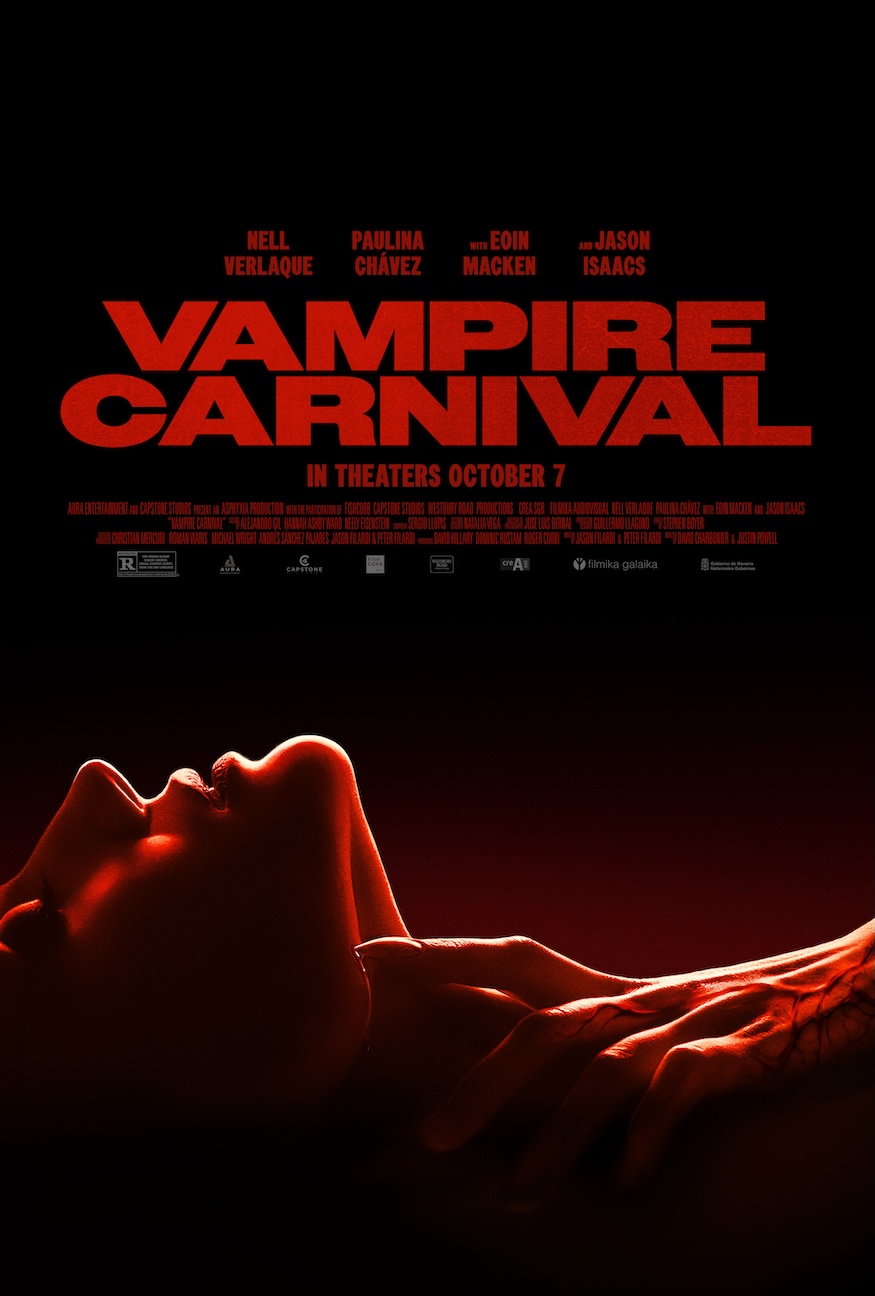
Written by the accomplished screenwriting team Jason Filardi and Peter Filardi—whose previous credits include iconic genre milestones like The Craft and Flatliners—Vampire Carnival blends classic supernatural mythology with contemporary psychological themes. The film features a robust ensemble cast led by Nell Verlaque and Kieron Moore, alongside Paulina Chávez, Alicia Sanz, Cedrick Cooper, Eion Macken, and veteran actor Jason Isaacs. As horror enthusiasts count down the days to its early October debut, industry analysts are closely watching the film to gauge its potential impact on the autumn box office.

Plot Dynamics and Premise
At the narrative center of Vampire Carnival is a grieving young woman navigating the isolating aftermath of personal tragedy. Set against the quiet, suffocating backdrop of a small town, the story kicks into motion with the unexpected and unannounced arrival of a mysterious traveling carnival. Wrapped in an aura of eerie spectacle and promising an alluring escape from her daily sorrow, the carnival exerts an immediate, hypnotic pull on the protagonist.

However, the glossy facade of the carnival hides a predatory reality. As the young woman delves deeper into the labyrinth of tents and illusions, she uncovers a terrifying truth: the carnival is not merely a venue for entertainment, but a gateway to a hidden, subterranean world. In this shadowy domain, the resident vampires do not sustain themselves on conventional physical blood. Instead, they feed entirely on human despair, sorrow, and unhealed trauma.
Trapped within a web of seductive illusions and psychological manipulation, the protagonist realizes she can no longer outrun her past. To survive and escape the clutches of the carnival, she must finally confront the profound trauma that drove her into its grasp. Failure to do so means forfeiting her autonomy and becoming the carnival’s next permanent, despair-fueled attraction.
Behind the Lens: The Creative Forces
The pedigree of Vampire Carnival is defined by a unique combination of fresh directorial vision and veteran screenwriting expertise. David Charbonier and Justin Powell have steadily built a reputation within the independent horror sphere for their ability to generate sustained tension and deeply emotional character arcs within confined spaces. Their breakthrough feature, The Boy Behind the Door, earned widespread critical acclaim for its claustrophobic intensity and unflinching portrayal of childhood terror, while The Djinn further solidified their command of supernatural dread and internal haunting.

Collaborating with the Filardi brothers brings a rich layer of cinematic history to the production. Peter and Jason Filardi are no strangers to crafting narratives that resonate deeply with audiences. Peter Filardi penned the 1990 psychological horror classic Flatliners and the generation-defining witchcraft thriller The Craft, establishing a career-long fascination with the intersection of human obsession, mortality, and the supernatural. This combined creative force suggests that Vampire Carnival aims to operate on multiple levels: delivering traditional genre thrills while offering a poignant commentary on mental health and emotional vulnerability.

The ensemble cast further elevates the project’s profile. Nell Verlaque anchors the film as the grieving protagonist, supported by the rising star power of Kieron Moore and Paulina Chávez. Meanwhile, the inclusion of seasoned performers like Jason Isaacs and Eion Macken promises grounded, commanding authority within the supporting and antagonistic roles, grounding the fantastical elements in palpable dramatic tension.

Production Timeline and Distribution Strategy
The path to the October 7 theatrical release has been meticulously managed by Aura Entertainment, capitalizing on a strategic window in the pre-Halloween theatrical slate. While principal photography and post-production details were kept largely under wraps throughout 2025 and early 2026, the marketing campaign ramped up significantly in late September 2026.

The release of the official trailer and promotional poster artwork offered audiences their first substantive look at the film’s distinct visual identity. The imagery emphasizes a jarring contrast between the vibrant, nostalgic aesthetics of a traditional carnival and the decaying, monochromatic despair of the supernatural entities that inhabit it. By securing an early October release date, Aura Entertainment has positioned Vampire Carnival to capture the attention of horror fans eager to kick off the Halloween viewing season with fresh, original cinematic offerings rather than immediate franchise sequels.

Industry Implications and Box Office Expectations
The horror genre has experienced a sustained commercial and critical renaissance over the past decade, driven largely by mid-budget, high-concept psychological thrillers that prioritize thematic depth alongside traditional scares. Films that use supernatural tropes as a direct metaphor for internal struggles—such as grief, addiction, and trauma—frequently resonate strongly with both critics and modern audiences.
Industry analysts note that Vampire Carnival enters a crowded autumn marketplace, competing against major studio tentpoles and established franchise entries. However, the film’s distinct premise gives it a unique competitive advantage. By transforming the traditional vampire mythos into a commentary on emotional consumption and societal apathy, the filmmakers have tapped into a contemporary anxiety regarding mental well-being and the performative nature of happiness.
Furthermore, the involvement of recognizable genre talent ensures a built-in audience of horror enthusiasts. The combination of Charbonier and Powell’s taut direction, the Filardi brothers’ scriptwriting pedigree, and a strong cast anchored by Jason Isaacs provides the film with significant cross-demographic appeal.

Looking Ahead
As the October 7 theatrical premiere approaches, anticipation continues to build across horror communities and trade publications alike. Advance ticket sales and online engagement metrics for the trailer suggest a healthy appetite for original monster stories that challenge conventional genre boundaries.

Whether Vampire Carnival will successfully carve out a lasting legacy alongside the creators’ previous works remains to be seen. Yet, by merging the eerie nostalgia of the traveling carnival with a deeply human story of healing and confronting inner demons, the film stands as one of the most intriguing and anticipated genre releases of the 2026 fall season. As audiences prepare to step onto the grounds of this cinematic carnival, they are reminded that the most frightening monsters are often those that feed on the vulnerabilities we attempt to hide from the world.