Paramount Skydance and Warner Bros. Discovery Merger Cleared to Proceed Following Landmark Antitrust Settlement

The $110 billion media merger between Paramount Skydance and Warner Bros. Discovery has officially cleared its final regulatory hurdle, paving the way for one of the largest consolidations in the history of the entertainment industry. Following an intense, months-long standoff that saw a coalition of 12 states launch an antitrust challenge, a settlement reached over the weekend has successfully unpaused the transaction. This resolution marks the conclusion of a period of profound uncertainty for the combined entity, which will now command an unprecedented portfolio of intellectual property, including the expansive Star Trek franchise, the DC Universe, HBO’s premium content library, and major news networks such as CBS News and CNN.
A Chronology of the Mega-Merger
The path to this consolidation has been fraught with legal and financial friction since the initial announcement in March 2026. The deal, intended to unify the assets of Paramount Skydance and Warner Bros. Discovery, was designed to create a global streaming and content powerhouse capable of challenging the dominance of Netflix and Amazon Prime.
- March 2026: The $110 billion merger is officially announced, positioning the combined entity as a titan in the global media landscape.
- July 2026: A federal judge puts the merger on hold following an antitrust lawsuit filed by 12 states, led by California Attorney General Rob Bonta. The suit alleged that the deal would stifle competition in the film and television market and consolidate too much control over news dissemination.
- August 2026: Paramount faces mounting financial pressure as the "ticking fee" clause of the merger agreement nears a deadline. The company risked incurring $650 million in quarterly penalties to Warner Bros. Discovery shareholders for every quarter the deal remained in limbo.
- September 2026: Intense negotiations between the state attorneys general, the Writers Guild of America (WGA), and Paramount culminate in a binding settlement agreement. The deal includes strict production and labor commitments that satisfy the concerns of the antitrust plaintiffs.
Financial and Operational Commitments
The settlement is not merely a legal waiver; it includes stringent operational mandates that will reshape the company’s internal strategy. Under the terms of the agreement, the merged entity has committed to a robust production schedule, ensuring the continued flow of content across its various platforms.
Paramount has pledged to maintain a minimum output of 30 feature films per year, with a mandate to increase this figure in the subsequent years of the five-year agreement. Furthermore, to address concerns regarding the hollow-out of domestic production, the company has committed to $1.5 billion in U.S.-based film and television spending over the next five years, with an immediate allocation of $300 million to ensure that production infrastructure remains within the United States.
Crucially, the agreement explicitly prohibits the sale of the historic Paramount or Warner Bros. studio lots. This move is intended to preserve the physical footprint of Hollywood’s Golden Age and maintain local job stability. Additionally, to preserve competition in the cable market, the entity is required to negotiate carriage deals for its cable networks separately for at least the next five years, preventing the combined company from leveraging its massive library to unfairly bundle its offerings against smaller competitors.

Editorial Independence and Governance
One of the most contentious aspects of the merger involved the concentration of media power, specifically the ownership of both CBS News and CNN. Critics, including public figures and industry watchdogs, expressed deep concern that a single corporate parent could influence the editorial direction of two of the nation’s most influential news outlets.
To mitigate these concerns, the settlement establishes an independent oversight board tasked with formalizing editorial and journalism principles. This board is designed to function as a firebreak between the corporate board of directors and the newsrooms, ensuring that the combined news organizations maintain structural and content independence. While the "Block the Merger Coalition" has continued to express skepticism, the inclusion of this board was a necessary concession to secure the support of regulatory authorities.
Impact on the Star Trek Universe
For fans and investors alike, the future of the Star Trek franchise remains a primary focal point. Since the Skydance takeover in 2025, Star Trek has been identified as a "compelling franchise" essential to the company’s long-term growth. However, it will now exist in a portfolio alongside other heavy hitters, including the Game of Thrones universe, the DCU, and the Harry Potter intellectual property.
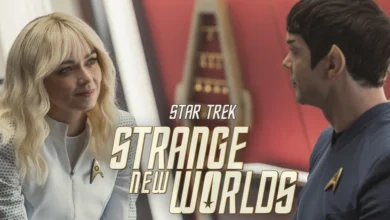
The streaming integration of HBO Max and Paramount+ is the cornerstone of the deal’s value proposition. By consolidating these platforms, the company aims to achieve the scale necessary to compete for subscribers globally. For Star Trek, this could signal a shift in production strategy. With the current television slate—Strange New Worlds and Starfleet Academy—nearing their natural conclusion, the focus has shifted to the "next iteration" of the franchise.
The commitment to increased domestic production may force a relocation of Star Trek’s filming operations. For over a decade, the franchise has primarily shot in Canada due to favorable tax incentives and existing infrastructure. Moving production back to the Paramount lot in Hollywood—a move not seen for the franchise since the conclusion of Star Trek: Enterprise in 2005—would represent a significant shift in the production budget and logistical planning for future series and films.
Industry Perspectives and Stakeholder Reactions
The settlement was greeted with relief by Paramount CEO David Ellison, who framed the outcome as a victory for the broader creative community. "We are grateful to Attorney General Bonta and his fellow AGs, as well as the WGA, for engaging in good faith to find a path forward," Ellison stated. "Our shared aim was an outcome that best serves consumers, workers, and—most importantly—the creative community so vital to the art of visual storytelling."

The Writers Guild of America, which had filed its own antitrust suit to protect the interests of its members, ultimately found the terms of the settlement acceptable. Their inclusion in the final negotiations highlights the importance of labor-management relations in mega-mergers. However, not all industry participants are satisfied. The "Block the Merger Coalition" has issued a formal statement condemning the deal, arguing that despite the concessions, the underlying problem of market concentration remains unresolved.
Economic Implications and Future Risks
Despite the successful settlement, the merged entity faces significant hurdles. The company is inheriting a substantial amount of debt incurred during the merger process, which will necessitate a rigorous approach to cost-cutting. While the settlement mandates a minimum output of 30 films and specific domestic spending, the company will likely look for efficiencies elsewhere, potentially impacting administrative overhead and non-core business segments.
The market now turns its attention to the integration of the streaming services. The combined entity will effectively double the potential subscriber pool of the current Paramount+ service, but it will also face the challenge of reconciling two distinct technological infrastructures and content philosophies. Whether this massive merger will result in a more efficient, creative-focused studio or merely a bloated conglomerate struggling with debt remains the central question for Wall Street analysts and industry observers.
As the merger moves toward its final closing date, the focus will shift from legal maneuvering to execution. For the employees at Paramount and Warner Bros. Discovery, and for the millions of viewers who consume their content, the coming year will serve as a critical test of whether these grand corporate promises of revitalization can be translated into sustainable, high-quality entertainment. TrekMovie will continue to monitor the financial and creative developments of this merger as it pertains to the future of the Star Trek franchise and the broader media industry.