
Before the era of ubiquitous streaming services and the constant hum of social media, a tangible expression of cinematic passion often adorned the walls of adolescent sanctuaries: movie posters. These vibrant pieces of artwork, sourced from video rental stores, glossy magazine inserts, and bustling mall kiosks, served as portals to the grand narratives and iconic characters that shaped generations of film enthusiasts. More than mere decorations, some of these posters achieved a cultural resonance that mirrored the films themselves, their bold designs encapsulating entire stories in a single, arresting image. Even for those who may not have owned them, these classic posters remain indelibly etched in collective memory, acting as potent triggers for waves of nostalgia. They were integral to the formative experiences of millions, a testament to the enduring power of visual storytelling. This article revisits a selection of these seminal posters, exploring their design, impact, and the enduring legacy they hold in the annals of pop culture.
The Genesis of Iconic Imagery: A Pre-Digital Landscape
The visual landscape of movie promotion has undergone a dramatic transformation. In the decades preceding the digital revolution, physical posters were the primary conduits for a film’s visual identity. Their creation involved meticulous artistry, often by renowned illustrators and graphic designers, tasked with distilling the essence of a film into a compelling advertisement. The widespread availability of these posters, facilitated by a burgeoning home video market and increased retail outlets, democratized access to cinematic art. This accessibility meant that iconic imagery could transcend the cinema lobby and become a permanent fixture in the personal spaces of fans, fostering a deeper connection with the films they loved. The physical act of acquiring, displaying, and gazing upon these posters fostered a unique form of engagement with cinema, one that was deeply personal and often communal among peers.

The Posters That Defined an Era
Star Wars (1977): A Saga Begins on Paper
The artwork for George Lucas’s groundbreaking space opera, Star Wars, featuring a heroic Luke Skywalker raising his lightsaber with Princess Leia by his side, rapidly became one of the most recognized movie posters in history. This poster, often attributed to artist Tom Jung and later modified by the Brothers Hildebrandt and finally Robert Peak, perfectly captured the film’s blend of adventure, romance, and heroism. Its release coincided with the film’s seismic cultural impact, cementing its status as an instant classic. The original theatrical poster, with its dramatic composition and heroic poses, conveyed the epic scope and aspirational themes of the film, resonating with a global audience eager for escapism. The poster’s success was not merely aesthetic; it was a powerful marketing tool that fueled the phenomenon of Star Wars, contributing significantly to its box office dominance and enduring popularity. Its imagery is so potent that it remains instantly recognizable, a shorthand for the entire saga.

Back to the Future (1985): Time Travel on a Budget
The instantly recognizable design for Back to the Future, depicting Marty McFly checking his watch beside the iconic DeLorean time machine, became a ubiquitous fixture in bedrooms throughout the 1980s and 1990s. This poster, created by artist Bob Peak, captured the film’s blend of science fiction, humor, and adolescent charm. The image of Marty, a relatable everyman thrust into extraordinary circumstances, gazing at the futuristic vehicle, symbolized the allure of adventure and the thrill of the unknown. The poster’s composition, with the DeLorean’s flux capacitor glowing and the temporal displacement effect suggested, hinted at the film’s inventive premise without revealing too much. Its widespread appeal underscored the film’s broad demographic reach, attracting audiences of all ages with its clever storytelling and charismatic lead. The poster’s enduring appeal lies in its ability to evoke the excitement and wonder of time travel, a concept that has captivated imaginations for generations.
E.T. the Extra-Terrestrial (1982): A Touch of Humanity

Steven Spielberg’s heartwarming tale of an alien befriending a young boy yielded one of cinema’s most poignant and unforgettable images: the glowing fingertip of E.T. gently touching the finger of Elliott against the backdrop of a starlit sky. This poster, designed by John Alvin, transcended its function as a marketing tool to become a symbol of innocence, friendship, and the profound connection between disparate beings. The imagery evokes a sense of wonder and empathy, capturing the film’s emotional core. The poster’s delicate composition and ethereal glow resonated deeply with audiences, solidifying its place as an icon of 1980s cinema. Its success was a testament to Spielberg’s masterful ability to blend spectacle with heartfelt emotion, and Alvin’s artistic skill in translating that emotion into a single, powerful image. The poster remains a powerful reminder of the film’s enduring message of acceptance and connection.
Jaws (1975): The Terror Beneath the Surface
The terrifying image of a colossal shark rising menacingly from the depths beneath an unsuspecting swimmer is arguably one of the most masterful and impactful poster designs in movie history. Created by artist Roger Kastel, this poster for Steven Spielberg’s Jaws tapped into primal fears and expertly conveyed the film’s suspenseful nature. The stark contrast between the serene surface and the unseen, deadly predator lurking below created an immediate sense of dread and anticipation. The poster’s design was so effective that it became synonymous with the film’s terrifying premise, contributing significantly to its box office success and establishing it as a benchmark for horror movie marketing. Its minimalist yet potent imagery continues to evoke the visceral fear that made Jaws a cultural phenomenon. The poster’s success highlighted the power of suggestion in horror, proving that what is unseen can often be more terrifying than what is revealed.
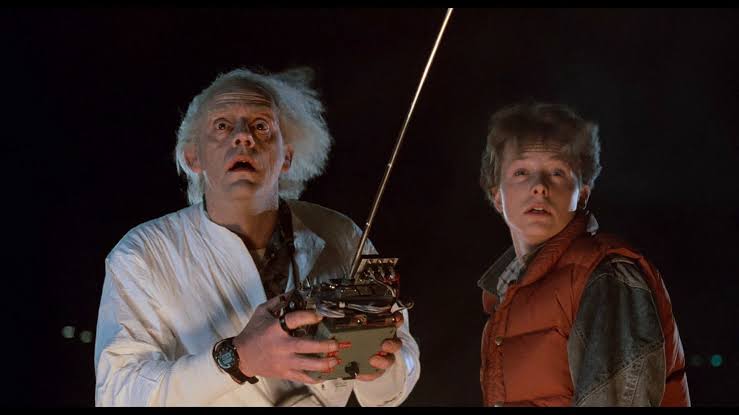
Ghostbusters (1984): An Icon of Parody and Prowess
The instantly recognizable "no ghost" logo for Ghostbusters transcended the film itself to become a cultural phenomenon. This deceptively simple yet highly effective graphic, designed by Michael C. Gross, became a symbol of the film’s unique blend of supernatural comedy and accessible heroism. Its ubiquity meant it was recognized even without the movie title, a testament to its powerful design and the film’s massive popularity. The logo’s versatility allowed it to be reproduced on a vast array of merchandise, further cementing its place in popular culture. The poster for Ghostbusters, featuring the iconic logo prominently, effectively communicated the film’s premise and its playful, adventurous spirit, drawing in audiences who were looking for something fun and original. The logo’s enduring appeal speaks to its clean, memorable design and its association with a beloved franchise.
The Goonies (1985): A Childhood Adventure Embodied

The adventurous poster for The Goonies, depicting the ragtag group of children hanging together over a cavernous abyss, perfectly encapsulated the spirit of childhood adventure and camaraderie that defined the film. This artwork, created by artist John Alvin, captured the excitement, danger, and ultimate triumph of the young protagonists’ quest. The image resonated with audiences who yearned for the kind of imaginative escapades depicted on screen. The poster’s dynamic composition and the youthful energy of the characters conveyed the film’s core themes of friendship, bravery, and the thrill of discovery. It served as a visual promise of the fun and excitement that awaited viewers within the film itself, making it a cherished piece for many who grew up with it.
Batman (1989): The Symbol of the Dark Knight
Tim Burton’s Batman ushered in a new era of superhero filmmaking, and its marketing campaign was equally impactful. The minimalist black poster featuring only the stark yellow Bat symbol became an instant classic, generating immense anticipation even before the film’s release. This bold design, devoid of characters or specific scenes, relied on the sheer power of the iconic emblem to communicate the film’s dark and gritty tone. The poster’s effectiveness lay in its simplicity and its ability to evoke a sense of mystery and impending doom. It signaled a more mature and serious approach to the superhero genre, setting the stage for the film’s immense success and influencing countless subsequent movie posters. The Bat-symbol’s iconic status meant that its mere presence was enough to convey the brand and the aura of the character.

Jurassic Park (1993): The Majesty of Prehistoric Power
The Jurassic Park poster, featuring a stylized dinosaur skeleton logo, proved that a simple yet powerful design could become one of the most iconic movie posters ever created. This design, attributed to artists John Alvin and Drew Struzan (with various iterations), masterfully conveyed the awe-inspiring and potentially terrifying nature of the film’s premise. The stark silhouette of a dinosaur, rendered with a sense of both grandeur and danger, captured the imagination of audiences worldwide. The poster’s elegance and its bold use of negative space made it instantly memorable and widely reproduced. It symbolized the film’s groundbreaking visual effects and its exploration of humanity’s relationship with nature and science. The poster’s enduring appeal lies in its ability to evoke wonder and a primal respect for the creatures that once roamed the Earth.
The Terminator (1984): The Rise of an Icon
The poster for The Terminator, featuring Arnold Schwarzenegger in his iconic sunglasses and holding a shotgun, solidified its place as one of the defining action movie posters of the 1980s. This image perfectly captured the relentless, stoic nature of the titular cyborg assassin. The stark, imposing figure of Schwarzenegger, silhouetted against a dark background, conveyed a sense of unstoppable menace and futuristic dread. The poster’s design was instrumental in establishing Schwarzenegger as a bona fide action star and the film as a seminal entry in the science fiction and action genres. Its raw power and directness resonated with audiences, promising a visceral and thrilling cinematic experience. The poster’s enduring impact is a testament to its potent visual storytelling and its association with a character that would become a cultural touchstone.
Pulp Fiction (1994): Coolness Personified
Quentin Tarantino’s Pulp Fiction redefined independent cinema, and its poster art became as iconic as its dialogue. The image of Uma Thurman lounging on a bed with a cigarette, her cool demeanor exuding an effortless allure, became one of the most frequently displayed posters in college dorms throughout the 1990s. This poster, designed by Bob Voss, captured the film’s stylish, edgy, and darkly humorous aesthetic. It represented a certain kind of cool that resonated deeply with a generation. The poster’s sophisticated yet provocative imagery perfectly mirrored the film’s unconventional narrative and its memorable characters, making it a symbol of late 20th-century cinematic rebellion and style. Its widespread adoption in personal spaces underscored its cultural impact beyond the realm of film criticism.
The Breakfast Club (1985): A Generation Defined
The Breakfast Club poster, a group portrait of the five detention-bound students, perfectly captured the essence of adolescent angst, rebellion, and the unexpected bonds formed in the crucible of high school. This iconic image, featuring the diverse cast members in their distinct archetypes, became a staple on bedroom walls everywhere, resonating with teenagers who saw themselves reflected in the characters’ struggles and search for identity. The poster symbolized a generation’s coming-of-age, its themes of social cliques, parental expectations, and the yearning for understanding. Its enduring popularity speaks to the universal nature of adolescent experience and the film’s ability to articulate those feelings with honesty and humor. The poster’s impact lies in its ability to foster a sense of shared experience and belonging among its viewers.
Top Gun (1986): High-Octane Romance and Aerial Thrills

The poster for Top Gun, featuring a heroic Tom Cruise and Kelly McGillis standing beside a formidable fighter jet, became an instant favorite for fans of action, aviation, and romantic drama. This dynamic imagery captured the film’s exhilarating aerial sequences and its compelling central romance. The poster exuded a sense of danger, patriotism, and aspirational heroism, making it a powerful visual representation of the film’s appeal. It tapped into the cultural fascination with military aviation and the allure of daring pilots, further amplified by Cruise’s star power. The poster’s slick design and its combination of intense action and romantic tension perfectly summarized the film’s winning formula, contributing to its massive commercial success and enduring legacy.
The Lost Boys (1987): Vampiric Style and Teenage Rebellion
With its dark, stylish, and slightly menacing artwork, the poster for The Lost Boys became a must-have for horror aficionados and teenagers drawn to the allure of vampire mythology and youthful rebellion. The poster’s gothic aesthetic, featuring the charismatic young vampires, captured the film’s blend of supernatural horror and edgy cool. It evoked a sense of danger, mystery, and forbidden desire, perfectly aligning with the film’s themes of adolescent alienation and the seductive nature of the undead. The poster’s visual language resonated with a generation fascinated by counter-culture and the darker aspects of fantasy, solidifying its status as an iconic piece of 1980s horror art.
Raiders of the Lost Ark (1981): The Epitome of Adventure
The illustrated collage poster for Raiders of the Lost Ark, masterfully crafted by artist Richard Amsel, remains one of the greatest adventure movie posters ever created. It vibrantly depicted Indiana Jones in various perilous situations, surrounded by the exotic locales and dangerous artifacts that defined his quest. The poster’s intricate details, bold colors, and dynamic composition perfectly conveyed the film’s sense of thrilling escapism and heroic derring-do. It served as a perfect visual introduction to the character and his world, promising a rollicking adventure that would captivate audiences. The poster’s artistic merit and its ability to encapsulate the spirit of adventure have cemented its place in cinematic history.
The Rocky Horror Picture Show (1975): A Cult Classic’s Unmistakable Symbol

The iconic image of giant red lips against a stark black background for The Rocky Horror Picture Show became an unmistakable symbol of cult cinema and a poster that, remarkably, never truly went out of style. This bold and provocative design perfectly encapsulated the film’s eccentric, groundbreaking, and endlessly rewatchable nature. The simplicity of the imagery belied the complex and joyous rebellion it represented. The poster served as a beacon for those seeking something outside the mainstream, a testament to the film’s enduring power to attract and engage a dedicated fanbase. Its continued relevance underscores the lasting impact of its unique artistic vision and its celebration of individuality.
The Enduring Legacy of Vintage Posters
These vintage movie posters are more than just faded relics of past cinematic eras. They represent a tangible connection to a time when film promotion was an art form in itself, capable of igniting imaginations and decorating the personal spaces of millions. Their designs, often imbued with a unique artistic vision, continue to evoke strong emotional responses and serve as powerful reminders of the films that shaped our cultural landscape. In an age of ephemeral digital content, the enduring appeal of these physical artifacts speaks volumes about their artistic merit and their ability to forge lasting memories. They stand as testaments to the power of visual storytelling and the indelible mark that great cinema leaves on our lives. The art of the movie poster, in its vintage glory, remains a vital and cherished aspect of film history, a constant source of nostalgia and admiration for cinephiles worldwide.