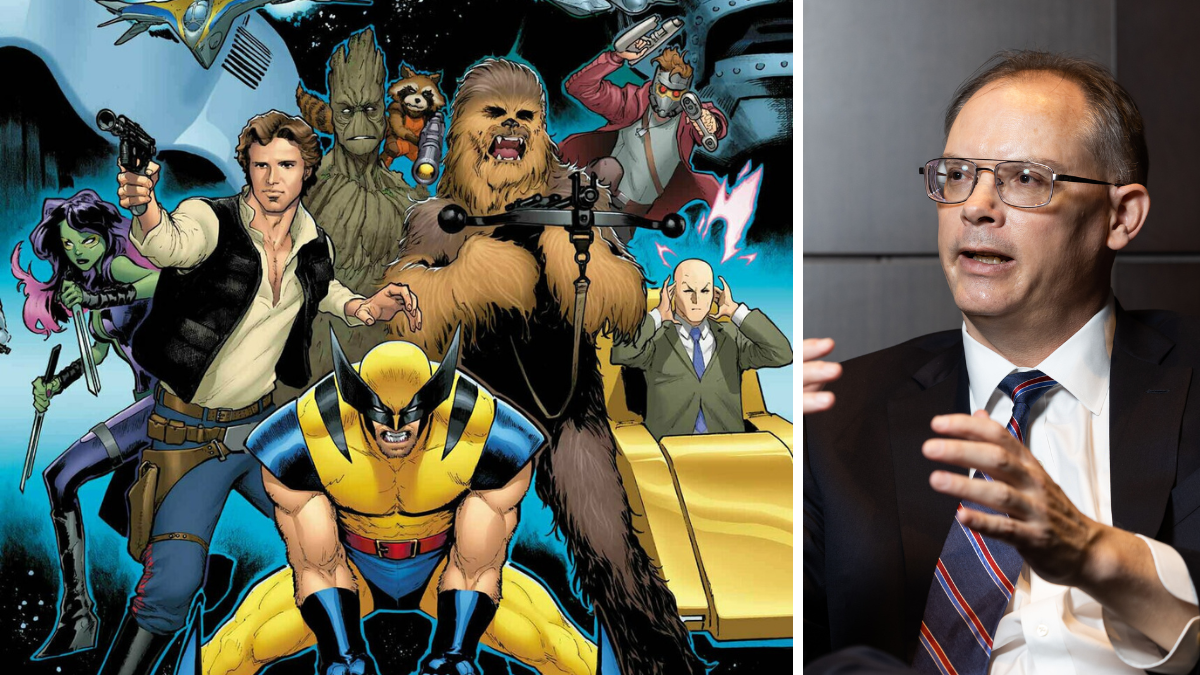
‘Our humble goal is to survive the AI revolution’ says Epic Games CEO, as its Star Wars and Marvel crossover…

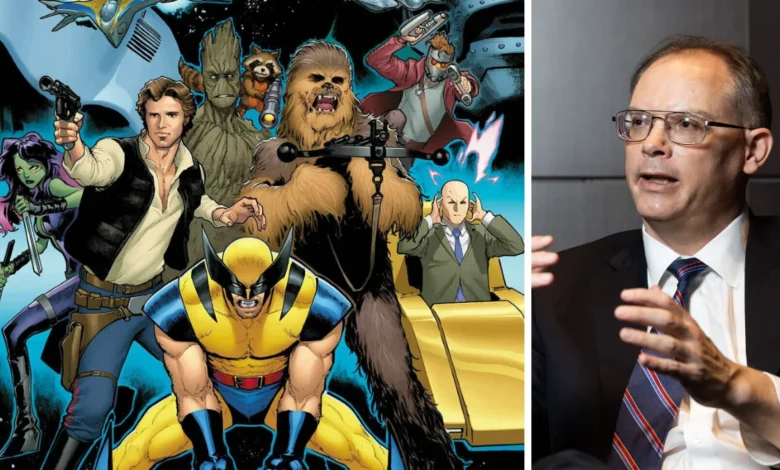
A Strategic Pivot Toward Generative AI
The delay follows a directive issued to Epic Games staff last week, mandating a transition to an "AI-first" production model. This shift involves the systematic integration of advanced generative tools, specifically citing Anthropic’s Claude for development tasks and comprehensive AI-driven workflows for the generation of digital assets. While industry analysts have observed the incremental adoption of machine learning in game development for years—often used to assist with procedural generation, asset cleanup, and dialogue testing—the directive at Epic represents a significant escalation. By prioritizing "full AI workflows" for art and production, Epic is positioning itself at the vanguard of a movement that aims to decouple high-fidelity game development from traditional, labor-intensive human asset creation.
This pivot does not occur in a vacuum. Epic Games has navigated a tumultuous period over the last 18 months, characterized by significant organizational restructuring and external legal pressures. In March, the company underwent a major reduction in force, laying off more than 1,000 employees. CEO Tim Sweeney attributed these difficult decisions to a confluence of factors: a global cooling in console hardware sales, the financial strain of prolonged legal battles with major platform holders such as Apple and Google, and the mounting difficulty of maintaining the high-frequency content cadence required for Fortnite.
Timeline of the Disney-Epic Partnership
The relationship between Epic Games and The Walt Disney Company has deepened significantly since February 2024, when Disney announced a $1.5 billion equity investment in Epic Games. The collaboration was framed as the creation of an expansive "persistent universe" for gaming and entertainment, designed to be interoperable with Fortnite.
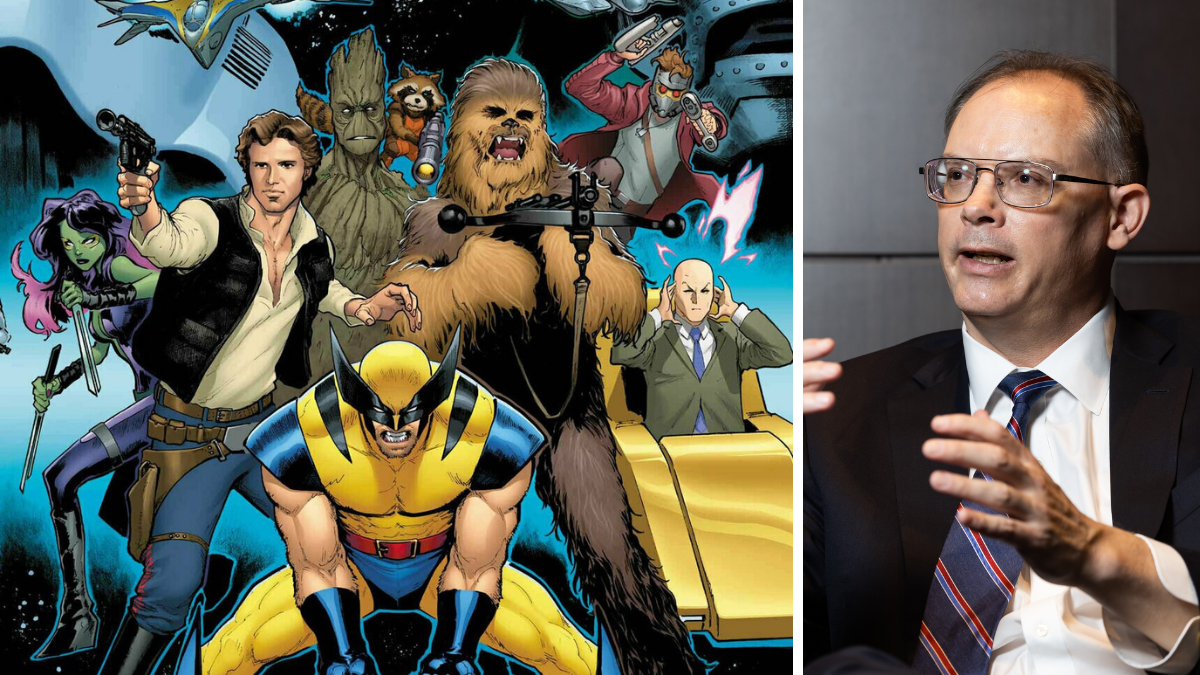
- February 2024: Disney announces a $1.5 billion strategic investment in Epic Games, with the stated goal of building a new persistent games and entertainment universe.
- Late 2024/Early 2025: Internal development begins on the Star Wars and Marvel crossover shooter, intended to serve as a flagship title within this emerging ecosystem.
- March 2026: Epic Games implements structural layoffs, citing sustainability concerns and the need to streamline operations.
- October 2026: Development of the crossover title is formally delayed as leadership mandates a complete shift toward an "AI-first" production strategy.
The Technological and Economic Rationale
The move toward AI-first development is often presented by major tech firms as a necessary evolution to combat rising development costs. Triple-A video games currently require budgets that frequently exceed $200 million, with development cycles spanning five to seven years. As the complexity of game engines—like Epic’s own Unreal Engine 5—increases, the human capital required to produce high-fidelity assets has become a bottleneck for profitability.
By leveraging Large Language Models (LLMs) and generative image models, studios hope to shorten the "time-to-market" for massive virtual environments. However, this transition is fraught with technical and creative challenges. Industry experts note that while AI can generate assets rapidly, the "cohesion" of a game—the intangible quality that ensures mechanics, narrative, and visual style feel unified—often relies on human oversight. The decision to use AI for art generation in a project involving highly recognizable, brand-sensitive intellectual properties like Star Wars and Marvel suggests a high degree of confidence in the current capabilities of these generative tools, or perhaps a willingness to trade traditional artisanal quality for production velocity.
Industry Reactions and Public Sentiment
Following the publication of reports detailing the shift, Tim Sweeney took to social media to address the discourse surrounding the industry’s trajectory. Sweeney has historically maintained that the future of the metaverse and digital entertainment relies on decentralized, open-source, and efficient technologies. In his recent commentary, he touched upon the nostalgia for the gaming landscape of 2016, a period before the current saturation of generative AI and the intense monetization models that define contemporary live-service games.
Observers in the developer community remain divided. Proponents of AI integration argue that it democratizes complex asset creation, allowing smaller teams to compete with larger studios. Conversely, critics and many creative professionals fear that the "AI-first" approach will lead to a homogenization of aesthetic styles—a "slop" effect where different games start to look and feel indistinguishable because they are trained on similar datasets. The concern is that if the primary goal is efficiency, the unique artistic voice of a project may be sacrificed to meet arbitrary production benchmarks.
Broader Implications for the Gaming Industry
The delay of the Star Wars-Marvel project is a bellwether for the broader industry. If one of the most successful gaming companies in history, backed by the largest entertainment conglomerate in the world, is hitting production hurdles that require a complete overhaul of their methodology, it indicates that the current model of high-budget game development may be reaching a breaking point.
The shift toward AI is also likely to spark further discussions regarding intellectual property rights and labor. As companies move to generate assets using AI trained on massive, often proprietary datasets, questions regarding the legal status of AI-generated content remain unanswered. Furthermore, the integration of AI tools is likely to change the nature of employment for artists, writers, and programmers. Instead of traditional content creation, the role of the developer may shift toward "prompt engineering" and "curation," a transition that will necessitate significant retraining and potential displacement of traditional creative roles.
For now, the status of the Star Wars and Marvel crossover remains in limbo. The indefinite delay provides Epic Games with the breathing room to retool its production pipeline, but it also creates a vacuum of information that leaves fans and investors wondering whether the finished product will reflect the ambitious scope promised at the project’s inception or whether it will become a case study in the limitations of automation.
As the industry watches, the "AI-first" experiment will likely become the standard for large-scale development in the latter half of the decade. Whether this leads to a new golden age of productivity or a decline in the artisanal quality that has historically defined gaming remains the central debate. For Epic Games, the challenge is clear: they must demonstrate that their new tools can capture the "magic" of their biggest franchises, or risk alienating an audience that values human craftsmanship over algorithmic efficiency. The project, once slated to be a bridge between the worlds of film and interactive media, has now become a litmus test for the future of creative labor in the digital age.