Miles Morales: Spider-Man #2 Delves into the Sins of the Father as a S.H.I.E.L.D. Ghost Threatens Brooklyn

Marvel Comics continues to expand the deep emotional and high-stakes narrative foundations of its flagship teenage web-slinger with the upcoming release of Miles Morales: Spider-Man #2. Scheduled to hit comic book specialty stores and digital platforms on Wednesday, September 23, the issue brings writer Bryan Hill and artists Nico Leon and Val de Landro together to confront the legacy of Jeff Morales. In this latest installment, Miles finds himself thrust into a violent collision course with Revenant, a formidable, vengeance-driven adversary born from the shadowy black-ops past of his father’s career as a S.H.I.E.L.D. agent. This issue pushes the titular hero to his physical and psychological limits as he grapples with an antagonist designed explicitly to dismantle his unique arsenal.

Main Facts and Narrative Setup
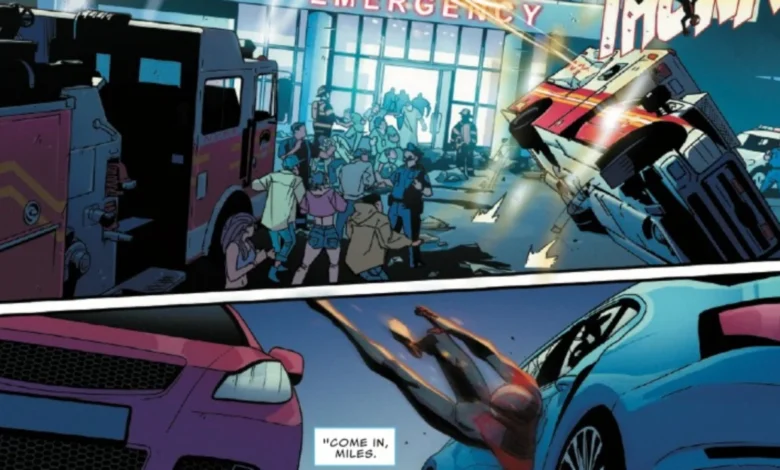
The core conflict of Miles Morales: Spider-Man #2 centers on the disruptive arrival of Revenant, a super-soldier whose existence is tied directly to the classified operations of Jeff Morales during his tenure with S.H.I.E.L.D. The narrative builds immediately upon the catastrophic events of the series’ opening chapter, which featured high-intensity action sequences in Brooklyn, including an emergency room assault and heavy vehicular destruction.
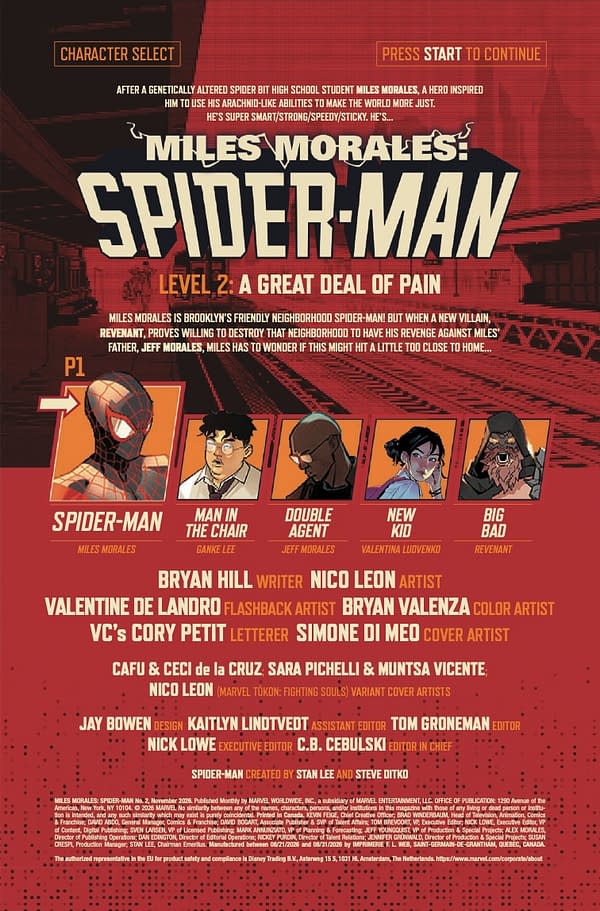
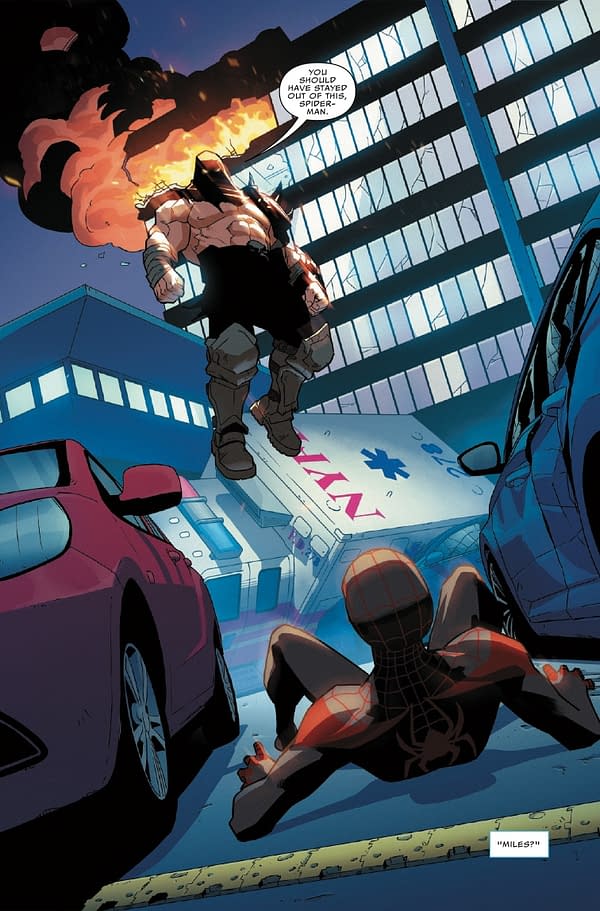
According to official Marvel solicitations and preview materials, Revenant is not merely a brute-force adversary. Instead, the villain possesses an advanced tactical capability to anticipate and counter every single offensive maneuver and super-powered ability in Miles’ repertoire. This includes adaptations against Miles’ signature venom blasts and agile fighting style. As the physical confrontation escalates on the streets of New York, the issue promises to unpack the historic downfall of a covert initiative known as Grendel, tying the tragedy directly back to Jeff Morales’ past decisions.
Background Context and Chronology
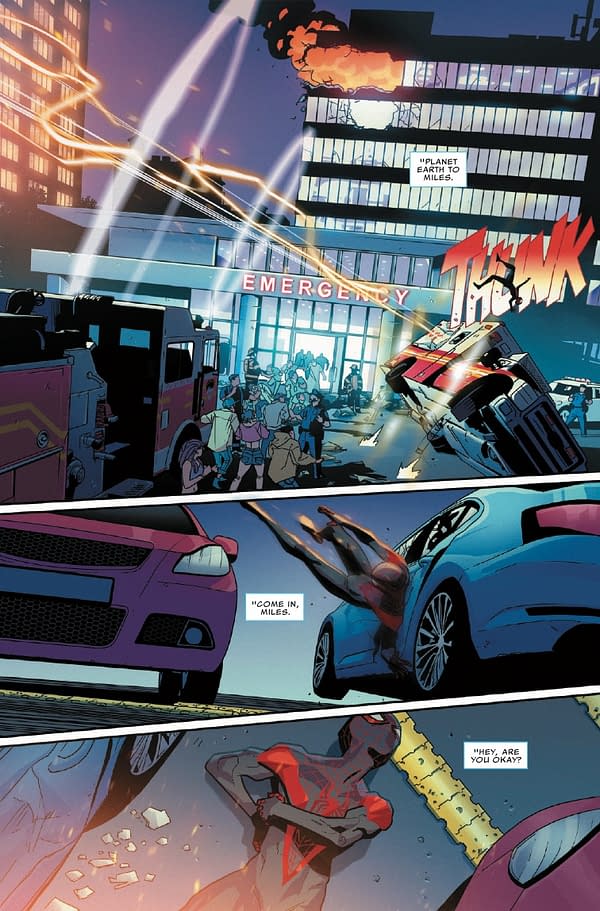
The introduction of Revenant highlights a recurring thematic pillar in modern superhero fiction: the inescapable shadow of parental legacy. Jeff Morales, who spent years working within the labyrinthine intelligence apparatus of S.H.I.E.L.D., operated in a gray world of national security where collateral damage and hidden enemies were standard operating procedure.
While Jeff has long since transitioned into a supportive family man and civilian father, the fallout of his operational history has remained dormant—until now. The storyline traces a direct line from the defunct tactical cell or black-ops unit referred to as "Grendel" to the present-day streets where Miles patrols. This narrative structure allows the creative team to explore how generational trauma and historical accountability manifest in the Marvel Universe, forcing younger heroes to literally clean up the unresolved messes left behind by institutional intelligence frameworks.
Production Team and Creative Lineup
Miles Morales: Spider-Man #2 is helmed by writer Bryan Hill, known for his ability to blend gritty action with introspective character development. The interior art is illustrated by Nico Leon and Val de Landro, whose dynamic paneling and kinetic layouts capture the frantic, high-speed nature of a hero caught off guard by an opponent who reads his every move.

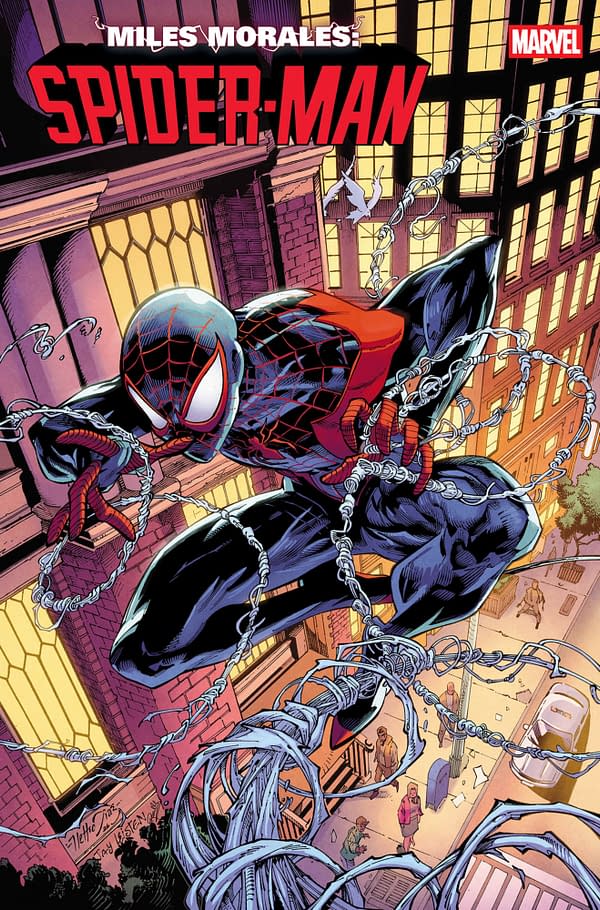
The issue features a robust lineup of variant covers designed to appeal to both long-time collectors and variant enthusiasts. Alongside the primary cover by Simone Di Meo, Marvel has commissioned variant editions from prominent industry artists:
- Netho Diaz Variant
- CAFU Virgin Variant
- Taurin Clarke Muppets Variant
- CAFU Variant
- Sara Pichelli Variant
- Nico Leon Tokon: Fighting Souls Battle Variant
Priced at $4.99 USD, the 32-page standard issue carries a T rating and is distributed physically to comic retailers via Lunar Distribution and PRH Comics.
Broader Impact and Critical Analysis
The introduction of an adversary like Revenant carries significant implications for the evolution of Miles Morales as a distinct, self-actualized hero. For years, narratives surrounding legacy characters often focused on them stepping out from the shadows of mentors like Peter Parker. By shifting the focus toward familial accountability—specifically confronting the moral ambiguities of his father’s intelligence career—the creative team elevates the emotional stakes beyond standard costumed vigilantism.

Furthermore, the tactical dynamic of the fight—an enemy with a calculated counter for every power—forces Miles to rely on tactical improvisation, resilience, and intellect rather than raw, overwhelming force. This character-building trial by fire underscores the ongoing maturation of the character within the broader Marvel Universe. As readers prepare for the September release, Miles Morales: Spider-Man #2 stands out as a critical chapter in defining how the younger generation inherits not just the responsibilities of heroism, but the hidden debts of the past.