The Architecture of Autonomy: How the Colony Sim Genre Redefined Emergent Storytelling and Strategy Design


The colony simulator represents a unique intersection of strategy, management, and narrative roleplay, standing as one of the few genres almost entirely native to the PC gaming ecosystem. At its core, the colony sim tasks players with constructing and maintaining a habitat for a group of autonomous artificial intelligence (AI) characters—ranging from industrious dwarves to marooned space explorers or even demonic entities. Unlike traditional real-time strategy (RTS) games where units are directly commanded, colony sims operate on a principle of indirect control. Players shape the environment, designate tasks, and provide resources, but the inhabitants act according to their own simulated needs, desires, and psychological states. This fundamental shift in agency creates a fertile ground for emergent storytelling, where the most memorable moments are not scripted by developers but are the incidental byproducts of complex, overlapping systems.
The Evolution of Indirect Control: From Dungeon Keeper to the Modern Era
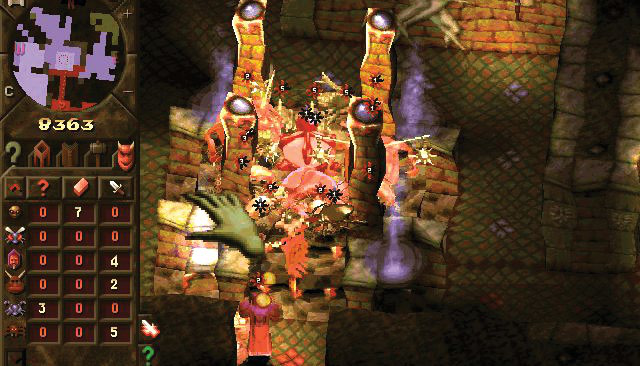
The historical lineage of the colony sim can be traced back to the experimental management games of the late 1990s, most notably Bullfrog Productions’ Dungeon Keeper (1997). While categorized as a hybrid of RTS and god games, Dungeon Keeper introduced the concept of "creature management," where individual units possessed distinct personalities, hungers, and grievances. If a dungeon master failed to provide sufficient food or gold, or forced incompatible creatures to share a lair, the inhabitants would riot, desert, or fight one another.
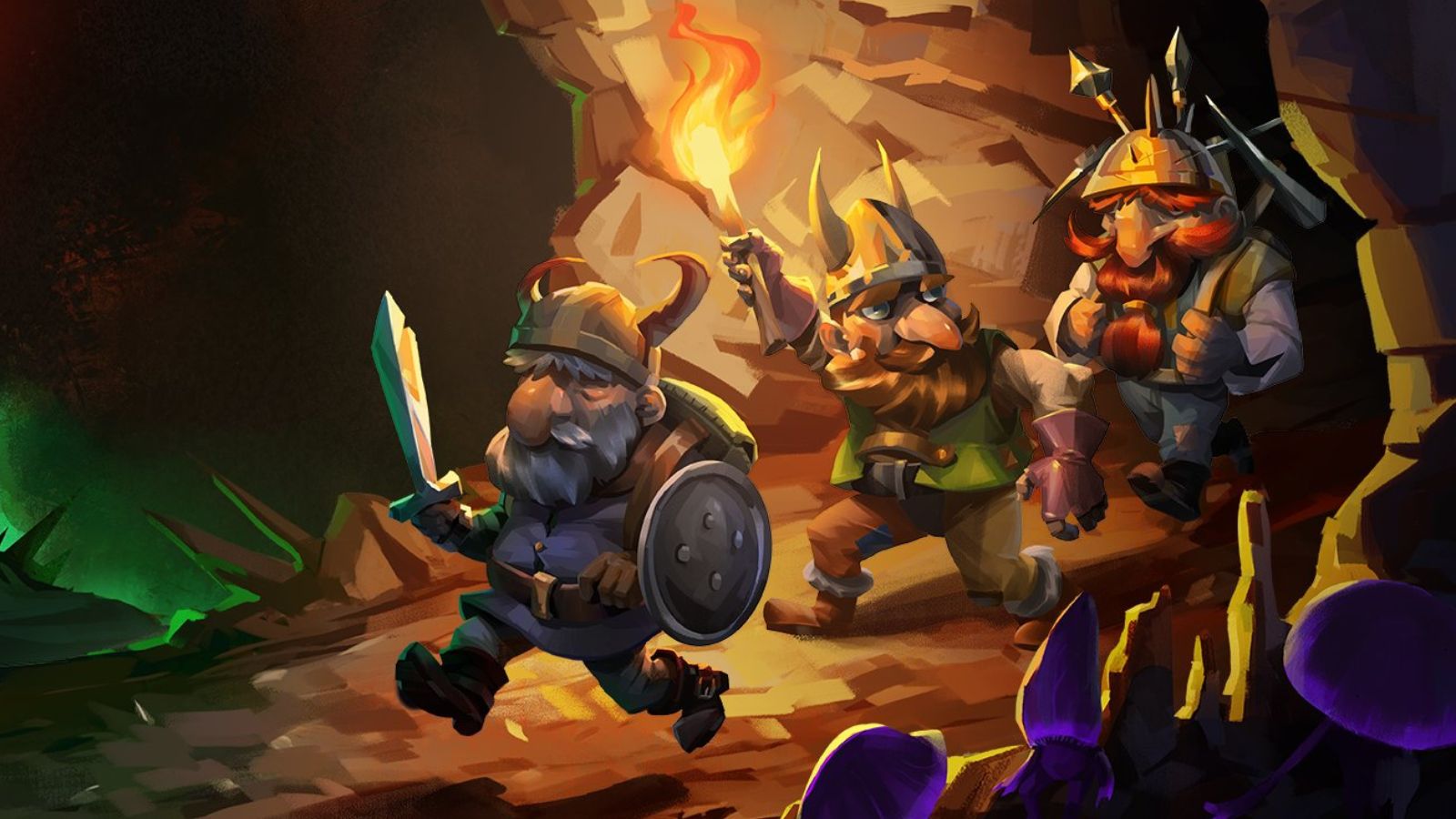
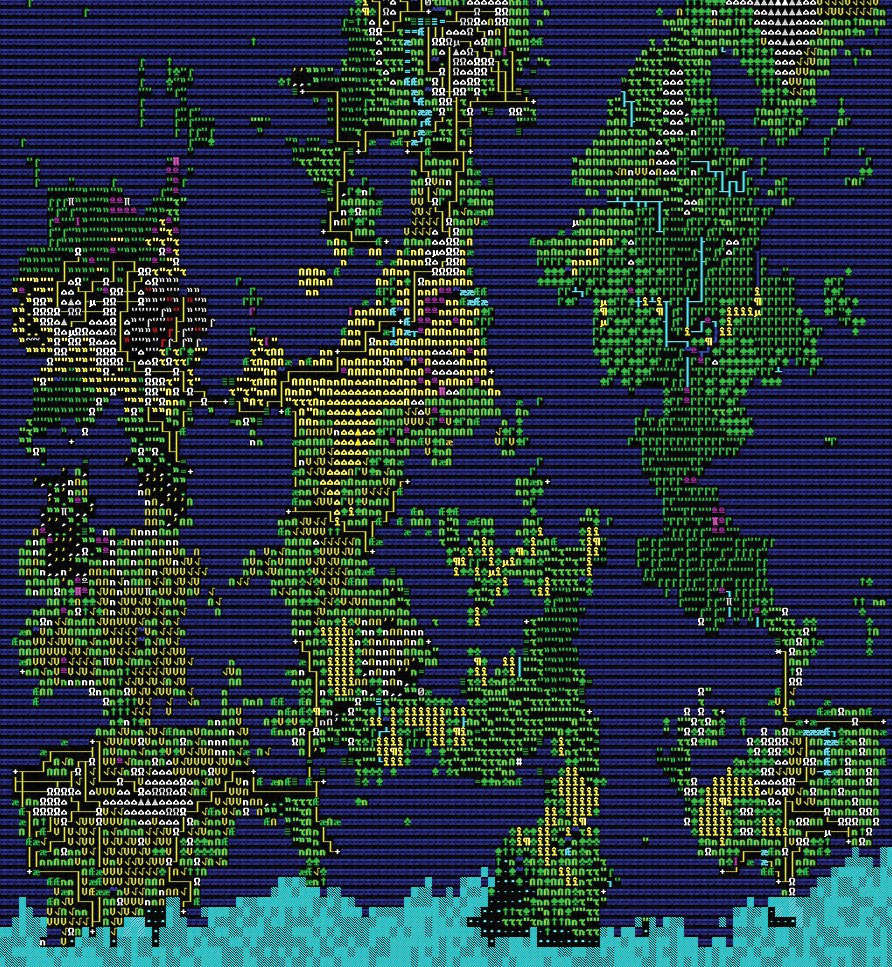
This template lay dormant for several years as the industry pivoted toward more direct-action experiences. However, the mid-2000s saw the birth of Dwarf Fortress, a project by Bay 12 Games that would become the genre’s most significant touchstone. Created by Tarn and Zach Adams, Dwarf Fortress began as a quest to simulate an entire fantasy world down to the most granular detail. The game’s development philosophy—prioritizing depth of simulation over graphical fidelity—paved the way for a resurgence in the genre.
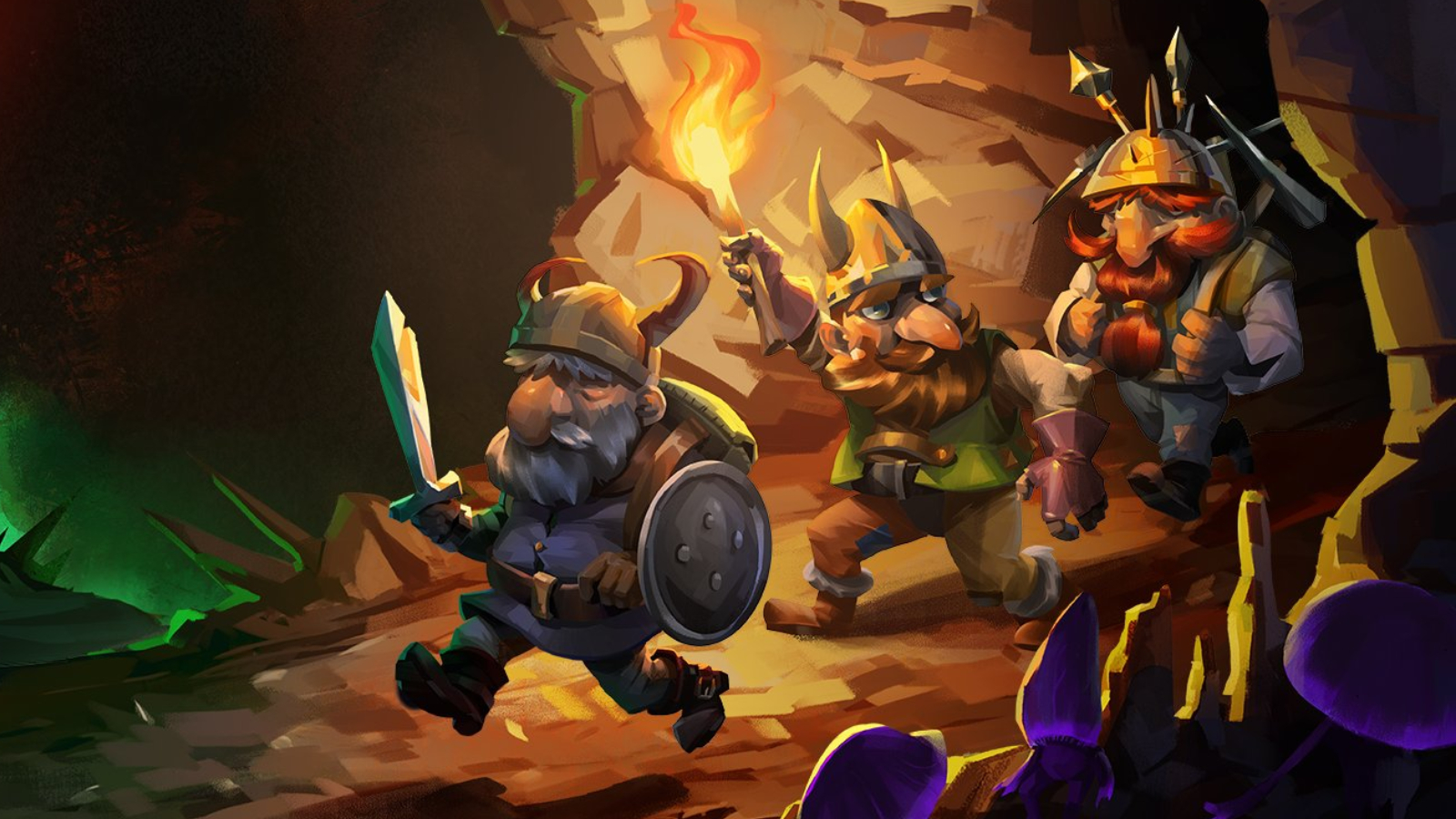
According to Tarn Adams, the appeal of the colony sim lies in the longevity of the interaction. "You watch more named non-player creatures interacting with each other over a longer period of time," Adams noted. This allows players to develop a psychological bond with the AI, observing how they respond to both player-initiated environmental changes and the internal pressures of the game’s world.
Dwarf Fortress and the Pursuit of Total Simulation
Dwarf Fortress is often cited as the most complex video game ever created. Its simulation covers geological strata, historical lineages spanning centuries, and the individual biological and psychological makeup of every creature. This complexity is not merely for show; it serves as the engine for the game’s "Losing is Fun" philosophy. In one famous instance of emergent behavior, a bug in the game’s code caused cats to die of alcohol poisoning. The simulation was so detailed that it accounted for cats walking through spilled beer in taverns, licking their paws, and ingesting the alcohol. Because the game did not account for the small body mass of a cat relative to a mug of ale, the feline population began dying of toxicity.

Recent updates to the game have introduced procedurally generated poetry, music, and dance. Tarn Adams explains that this was a natural progression of the simulation’s "rabbit hole" development style. The inclusion of taverns required instruments; instruments required music; music required lyrics; and lyrics necessitated the creation of poetic forms. This level of granularity ensures that no two playthroughs are alike, as the game essentially plays a strategy game with itself during the world-generation phase, creating a history of wars, heroes, and artifacts before the player even places their first building.
RimWorld and the Science of the AI Storyteller
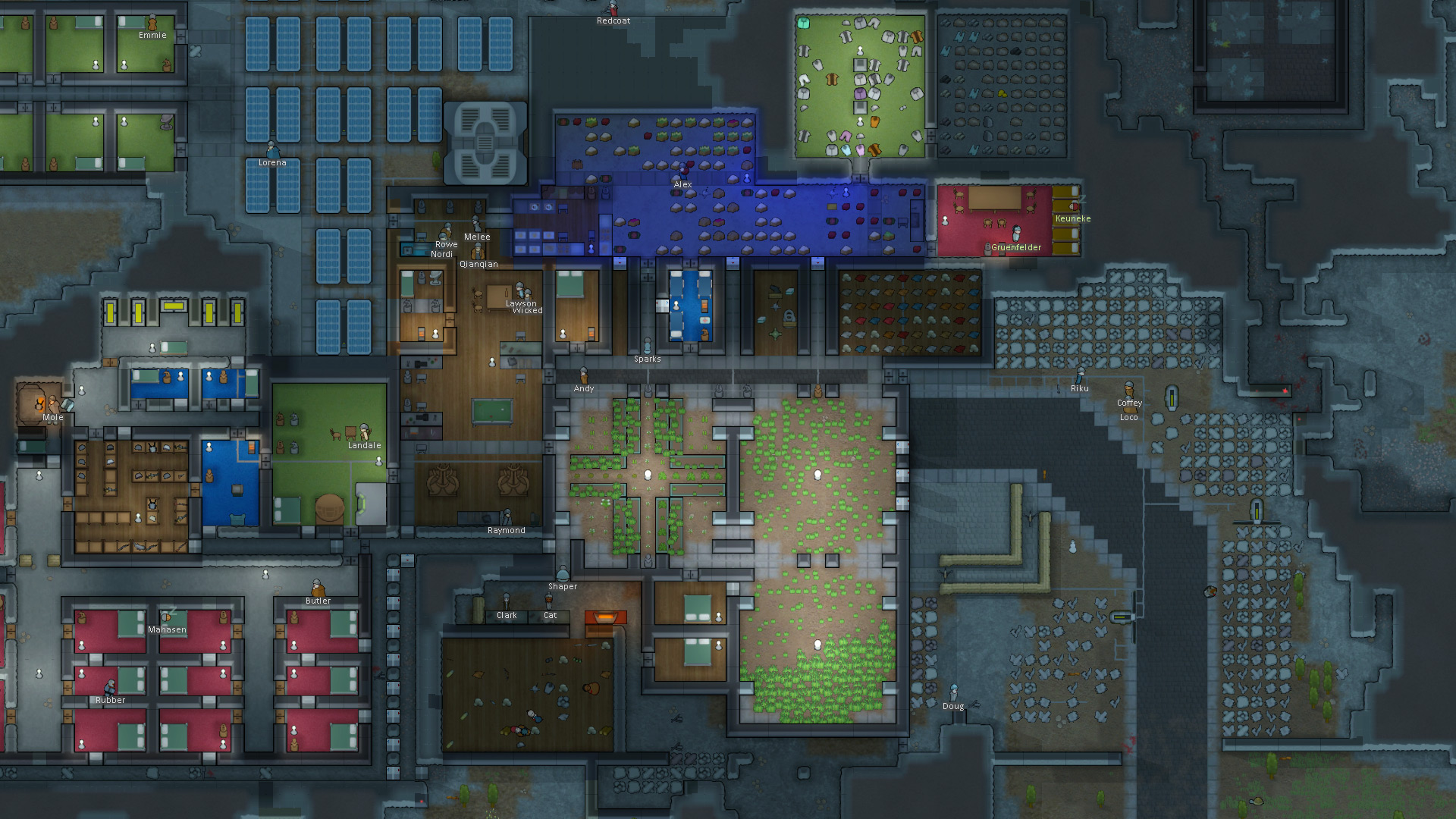
While Dwarf Fortress focuses on the "bottom-up" generation of stories through simulation, Ludeon Studios’ RimWorld took a "top-down" approach to narrative. Released in early access in 2013 and seeing its full release in 2018, RimWorld streamlined the colony sim for a broader audience without sacrificing mechanical depth. Its lead developer, Tynan Sylvester, designed the game specifically as a "story generator."
The core innovation of RimWorld is its AI Storyteller system. Inspired by the AI Director in Valve’s Left 4 Dead, the Storyteller monitors the player’s progress and strategically triggers events—known as "incidents"—to maintain a dramatic arc. These incidents are divided into "Story Watchers," which analyze variables like player wealth and time since the last threat, and "Incident Generators," which deploy raids, solar flares, or cargo pods.
Sylvester explains that the goal is not to "over-brutally murder" the player but to ensure that the tension follows a rising and falling curve. "In extreme challenge lies the greatest drama," Sylvester stated, highlighting that the most compelling stories usually involve a colony overcoming—or tragically failing to overcome—a sequence of disasters. This structured approach to chaos has made RimWorld a commercial powerhouse, with over 1.5 million copies sold by the time of its official 1.0 release, a massive figure for an indie title in a niche genre.
The Interface Challenge: Communicating Complexity in Maia
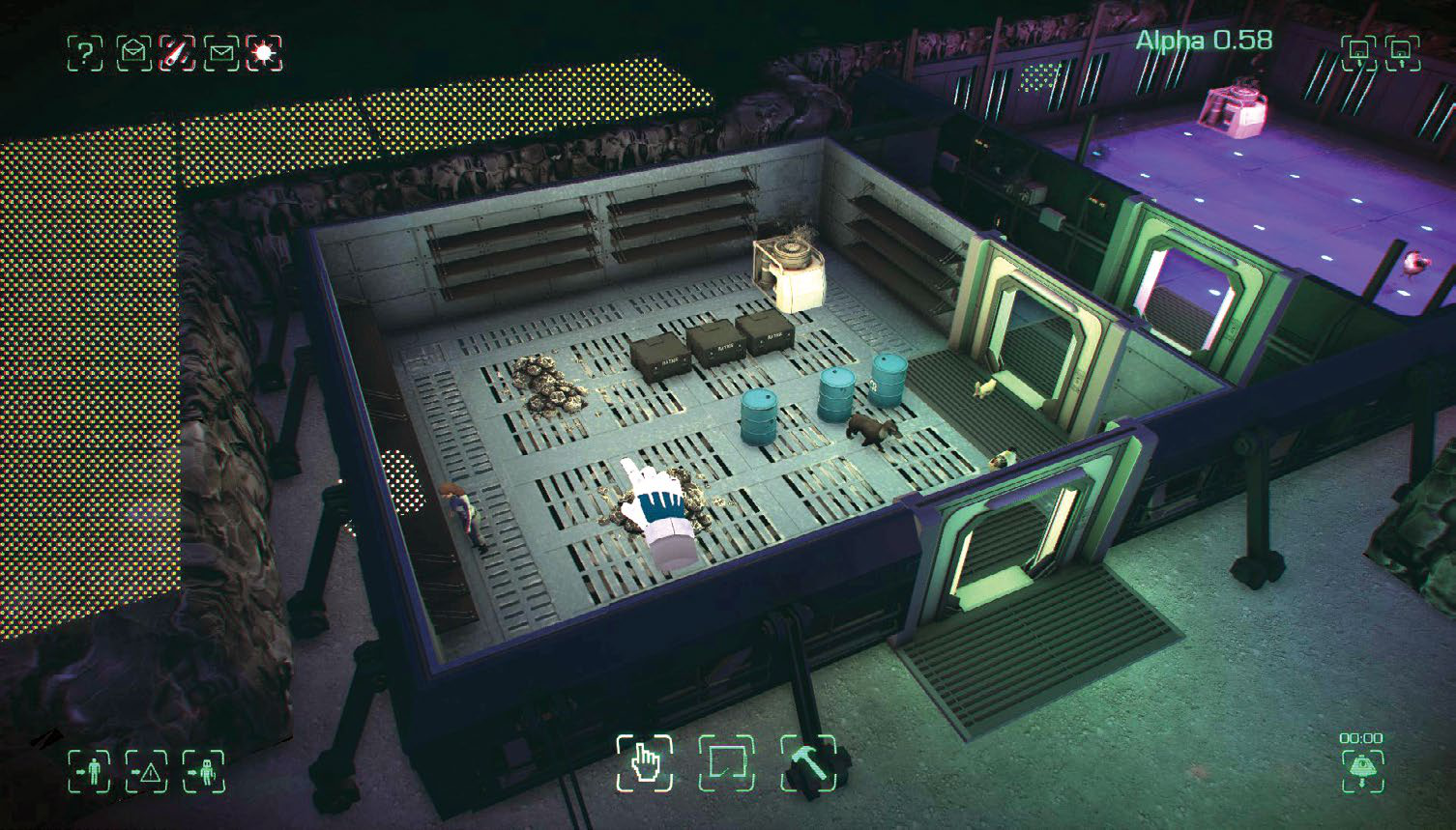
One of the primary hurdles in colony sim development is the "information paradox": the more detailed the simulation, the harder it is to communicate that detail to the player. Simon Roth, creator of the sci-fi colony sim Maia, has spent years grappling with this issue. Maia takes inspiration from both Dungeon Keeper and Dwarf Fortress, simulating an alien world where even the atmospheric pressure and lighting affect the colonists’ mental health.
In Maia, colonists possess approximately 50 distinct needs. If the player cannot see why a colonist is unhappy, the simulation feels arbitrary rather than immersive. Roth’s solution was to move away from traditional HUD-heavy menus and toward more organic communication. In Maia, colonists send the player "emails" that contain procedurally generated text describing their concerns, suggestions for base improvements, or psychological distress.

"It shows the AI are more self-aware than you realized," Roth observed. By allowing the AI to offer direct feedback, the game bridges the gap between the player’s high-level management and the characters’ low-level survival needs. This approach highlights a growing trend in the genre: the use of diegetic UI (user interface elements that exist within the game world) to manage overwhelming amounts of data.
Supporting Data: The Commercial and Cultural Footprint
The resurgence of colony sims is not merely a critical success but a commercial one. Data from SteamDB and industry reports indicate a steady climb in the popularity of "management" and "simulation" tags over the last decade.
- Dwarf Fortress (Steam Release): Despite being free for nearly two decades, the 2022 Steam version (featuring updated graphics and UI) sold nearly 500,000 copies in its first month, far exceeding the developers’ expectations and securing their financial future.
- RimWorld: As of 2023, RimWorld maintains an "Overwhelmingly Positive" rating on Steam with over 150,000 reviews, placing it among the highest-rated games on the platform.
- Genre Proliferation: The success of these titles has led to a "second wave" of colony sims, including Oxygen Not Included (Klei Entertainment), Prison Architect (Introversion Software), and Frostpunk (11 bit studios), each of which has sold millions of units.
The genre’s impact extends to the "Survival" genre, where games like Minecraft and Valheim have adopted colony-sim-lite mechanics, such as NPC management and resource automation.
Broader Implications: The Future of Agent-Based Simulation
The future of the colony sim likely lies in the advancement of Large Language Models (LLMs) and more sophisticated machine learning. While current colony sims rely on "if-then" logic and randomized tables for their procedural text, future iterations could feature AI characters capable of genuinely unique dialogue and complex social reasoning.
However, the genre remains defined by its limitations. As Tynan Sylvester noted, the danger of the genre is "drowning in your own complexity." Developers must balance the "player attention" resource carefully. If a game becomes too complex, it ceases to be a game and becomes a spreadsheet. The art of the colony sim is in creating a system that feels alive, where the characters are not just units, but individuals whose triumphs and tragedies matter to the person behind the screen.
Ultimately, colony sims prove that players do not need direct control to be engaged. By stepping back and acting as a "benevolent (or malevolent) influence," players participate in a form of digital theater. The stories of a dwarf who loses his mind after his favorite cat dies, or a space colonist who survives a raid only to perish from a lack of clean socks, are the true currency of the genre. As long as developers continue to refine the balance between simulation and accessibility, the colony sim will remain a cornerstone of PC gaming innovation.
Related posts: