Black Zombie: A Deep Dive into the Unsettling Origins and Evolving Legacy of the Undead

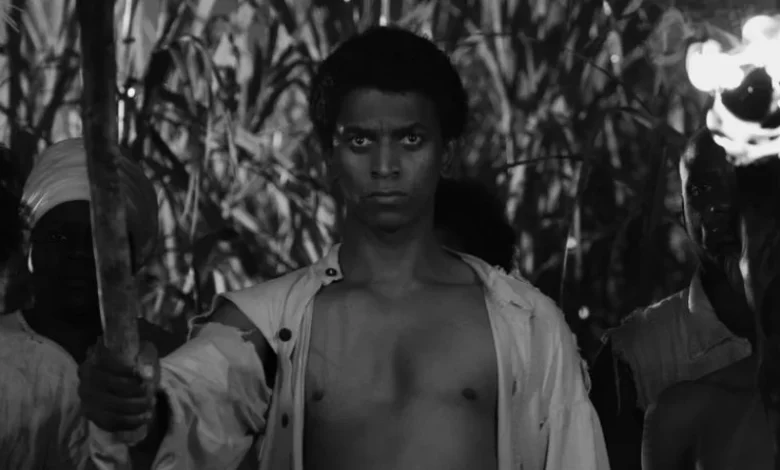
Kino Lorber is poised to bring Maya Annik Bedward’s debut feature, Black Zombie, to select theaters across the United States on September 11th, marking a significant moment for a documentary that has been captivating audiences and critics alike on the international festival circuit. This powerful film embarks on a profound journey, tracing the lineage of the zombie from its deep-rooted origins in Haitian spiritual traditions to its pervasive presence in contemporary Hollywood horror. More than just an examination of cinematic tropes, Black Zombie delves into the historical and cultural contexts that shaped the zombie’s evolution, ultimately reclaiming its significance as a potent symbol of survival and resistance against oppressive forces.
The documentary world-premiered to considerable acclaim at the 2026 SXSW Film Festival, a prestigious event known for launching groundbreaking independent cinema. Since then, Black Zombie has continued its upward trajectory, garnering accolades at prominent film festivals such as Hot Docs and the Blackstar Film Festival. Its upcoming screening at the Fantasia Film Festival in Montreal further solidifies its status as a must-see cinematic event for cinephiles and those interested in cultural history.
Unearthing the Deeper Meanings of the Zombie
Black Zombie endeavors to peel back the layers of gore and spectacle that have come to define the modern zombie archetype, venturing into its often-overlooked and deeply unsettling origins. The film posits that long before the advent of flesh-eating ghouls, the concept of the zombie served as a stark and potent metaphor for the horrors of slavery. It was not initially conceived as a monstrous entity, but rather as the ultimate victim of colonial power, a chilling representation of stolen agency and dehumanization. In this historical context, the figure that was once a symbol of profound suffering was tragically transmuted into an object of fear. Furthermore, the film explores how Black spiritual traditions, integral to the original understanding of the zombie, were distorted, sensationalized, and ultimately erased from popular consciousness.
Director Maya Annik Bedward meticulously guides viewers through this complex evolution, charting the zombie’s transformation from its roots in colonial Haiti to its ubiquitous presence in contemporary Hollywood productions. The documentary engages with iconic films such as White Zombie, Night of the Living Dead, and The Serpent and the Rainbow, juxtaposing these cinematic touchstones with vital archival footage, vérité scenes that capture raw cultural expressions, and insightful interviews. The film features a compelling array of voices, including cultural historians, artists, and genre luminaries such as Yves-Grégory Francois, Mambo Labelle Désse, Slash, Tom Savini, and Zandashé Brown. Through this multifaceted approach, Black Zombie functions as both a critical cultural reckoning and an innovative horror remix, exposing how a figure born from the crucible of enslavement, spiritual belief, and profound resistance was ultimately repurposed into one of popular culture’s most enduring and profitable monsters.
A Timeline of Discovery and Recognition
The journey of Black Zombie from conception to theatrical release is marked by a series of significant milestones, reflecting its growing impact and critical reception:
- 2026 SXSW Film Festival (World Premiere): Black Zombie makes its debut, introducing audiences to its groundbreaking exploration of the zombie’s origins and cultural significance. The film immediately garners attention for its intellectual depth and compelling narrative.
- Hot Docs and Blackstar Film Festival Screenings: Following its SXSW premiere, the documentary is selected for other highly regarded film festivals, expanding its reach and allowing for further critical discourse. These screenings solidify its reputation as a significant work of documentary filmmaking.
- Fantasia Film Festival (July 29 & 31, 2026): Black Zombie is slated for screenings at the esteemed Fantasia Film Festival in Montreal, Canada, offering international audiences an opportunity to experience the film. Specific showtimes include Wednesday, July 29, 2026, at 6:45 PM, and Friday, July 31, 2026, at 1:50 PM, both at Salle J.A. De Sève.
- BlackStar Film Festival (August 7, 2026): The film is also scheduled to screen at the BlackStar Film Festival on Friday, August 7, 2026, at 7:30 PM, at the Suzanne Roberts Theater in Philadelphia, Pennsylvania, underscoring its relevance to Black cinema and culture.
- Theatrical Release (September 11, 2026): Kino Lorber is set to release Black Zombie in select theaters across the United States, making the film accessible to a broader national audience.
Supporting Data and Cultural Context
The zombie’s narrative is intrinsically linked to the historical realities of colonialism and the transatlantic slave trade, particularly in Haiti. The concept of the zombi in Haitian Vodou is distinct from the modern horror trope. Historically, it referred to an individual believed to have been poisoned, drugged, or hypnotized into a death-like state and then resurrected and controlled by a sorcerer (a bokor). This practice, often associated with the extreme exploitation and control experienced by enslaved people, lent itself to a potent metaphor for the loss of autonomy and the brutal subjugation inherent in the slave system.
The first cinematic depiction of a zombie, Victor Halperin’s 1932 film White Zombie, starring Bela Lugosi, drew heavily on these Haitian folklore elements. While a significant film in horror history, it also contributed to the exoticization and sensationalization of Haitian culture, framing the zombie as an object of foreign and terrifying mystery. Subsequent films, notably George A. Romero’s Night of the Living Dead (1968), radically redefined the zombie as a flesh-eating, reanimated corpse driven by an insatiable hunger, shifting the focus from supernatural control to a more visceral, apocalyptic threat. However, Bedward’s documentary argues that even in this modern iteration, remnants of the original metaphor—the loss of humanity, the relentless pursuit, and the societal collapse—can be seen as echoes of the historical trauma.
The film’s exploration of "verité scenes" likely refers to documentary footage that captures candid, unscripted moments, possibly including traditional Haitian spiritual practices or contemporary expressions of cultural identity that connect back to the zombie’s origins. Archival footage would serve to illustrate historical periods and events, such as the era of slavery in Haiti or the development of early zombie films. The inclusion of interviews with figures like Mambo Labelle Désse, a practitioner of Haitian Vodou, and Yves-Grégory Francois, a Haitian cultural commentator, would provide authentic insights into the spiritual and cultural dimensions of the zombi. The participation of genre legends such as Slash (musician, known for his horror film scores and appreciation for the genre), Tom Savini (special effects makeup artist and director, often associated with zombie films), and Zandashé Brown (likely an academic or cultural critic specializing in horror or Black studies) adds significant weight and diverse perspectives to the film’s argument.
Industry Reactions and Anticipation
The sustained festival run and the upcoming theatrical release, spearheaded by Kino Lorber, a distributor known for its commitment to independent and art-house cinema, suggest strong industry confidence in Black Zombie‘s artistic merit and commercial potential. Distributors often select films based on critical buzz, audience reception at festivals, and their ability to resonate with specific demographics. The film’s success at SXSW, Hot Docs, and Blackstar Film Festival indicates a broad appeal, transcending niche genre audiences to attract viewers interested in cultural history, social commentary, and compelling documentary storytelling.
While official statements from the filmmakers or distributors regarding specific box office expectations are not yet available, the strategic release date of September 11th, a period often marked by a mix of blockbuster and critically acclaimed releases, indicates a calculated approach to maximizing visibility. The film’s festival circuit success also generates organic buzz, potentially translating into strong word-of-mouth marketing leading up to its wide release.
Broader Impact and Implications
Black Zombie arrives at a time when conversations surrounding representation, historical revisionism, and the appropriation of cultural symbols are increasingly prominent in media and academia. By re-examining the zombie’s origins, the film challenges a dominant Western narrative that has often marginalized or misrepresented the cultural contributions and historical experiences of Black communities. Its success could have several implications:
- Reclaiming Cultural Narratives: The documentary offers a powerful counter-narrative to the often-simplistic and sensationalized portrayals of the zombie in popular culture. It provides a platform for understanding the figure not as a monstrous entity, but as a symbol rooted in lived experiences of oppression and resilience.
- Influencing Future Storytelling: By highlighting the rich historical and spiritual context of the zombie, Black Zombie may inspire filmmakers and storytellers to explore more nuanced and culturally sensitive interpretations of the undead in future projects.
- Educational Value: The film serves as an invaluable educational tool, offering a compelling and accessible entry point for audiences to learn about Haitian history, Vodou traditions, and the enduring legacy of slavery.
- Commercial Success and Diversity in Cinema: Kino Lorber’s commitment to distributing Black Zombie underscores a growing market for diverse voices and perspectives in filmmaking. Its potential commercial success could encourage further investment in documentaries that explore similar themes.
The documentary’s intricate weaving of historical analysis, cinematic critique, and cultural reclamation promises to be a significant contribution to both the horror genre and the broader landscape of documentary filmmaking, offering a timely and vital re-evaluation of a universally recognized, yet deeply misunderstood, cultural icon.
Accompanying Trailers and Release Information for Other Films
The news cycle surrounding cinematic releases is often a confluence of diverse projects, and alongside the anticipation for Black Zombie, other notable films are also generating buzz.
PLUCKED: A Gilded Age Marriage Unravels
A teaser trailer has been released for the upcoming psychological drama PLUCKED, offering a glimpse into a marriage teetering on the brink in the opulent yet suffocating setting of Gilded Age New York. The narrative centers on Katherine Greene, who, upon resolving to divorce her emotionally unstable husband, finds her decision thrust into the high-stakes arena of a carefully orchestrated dinner party designed to preserve societal appearances. As the evening progresses, buried secrets begin to surface, and unchecked impulses lead to a descent into chaos, fueled by jealousy and escalating revenge.
PLUCKED boasts a compelling cast, including Katie Vincent, Catherine Curtin (known for her roles in Stranger Things and Orange Is the New Black), J. Anthony Crane (Outer Banks), Susan Gallagher (Cobra Kai, Loki), Jared Canfield, and Bryant Carroll. The film is co-written and co-directed by Katie Vincent and Usher Morgan.
The film is slated for a limited theatrical release on November 13, 2026, with showings planned in New York, Los Angeles, and Rhode Island. Subsequently, PLUCKED will be available on digital platforms beginning February 12, 2027, providing a staggered release strategy to reach a wider audience.
ACCURSED: A Deadly Lake-House Reunion
Another trailer and release information have been unveiled for the supernatural horror film ACCURSED. The plot unfolds as a nun’s cursed secret resurfaces on Emma’s 21st birthday, transforming a seemingly innocent lake-house reunion into a deadly ordeal. A masked cult and an ancient prophecy force Emma and her friends to confront escalating horrors, including possession, betrayal, and a midnight ritual that threatens to unleash an ancient evil.
The film features a notable cast, including Danny Trejo, Gabriel Sousa, Paris Dylan, Philippe A. Haddad, Kira Cahill, Lulu Bailey, Rafael Amadeu, and Vivien Soraya. ACCURSED is directed by Humberto Rosa and Brian Frank Visciglia.
ACCURSED is scheduled for a digital release across the United States on July 24th, distributed by Buffalo 8. Pre-orders for the film are currently available, indicating an immediate push for consumer engagement. This digital-first release strategy is increasingly common for independent horror films, allowing for quicker market penetration and accessibility to a broad audience seeking genre content.