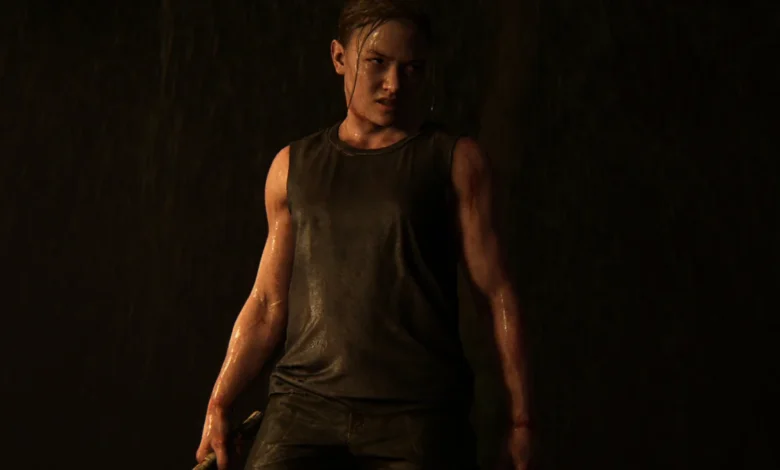
The creative team behind HBO’s critically acclaimed adaptation of The Last of Us has officially confirmed the casting of veteran voice actress Laura Bailey for the series’ third season. Known globally as the original voice and performance capture artist behind Abby Anderson in Naughty Dog’s 2020 title, The Last of Us: Part II, Bailey will take on a distinct live-action role, portraying a character named Elizabeth. This development marks a significant intersection between the video game franchise and its television counterpart, continuing the production’s established trend of integrating original game performers into new roles within the live-action narrative.
Contextualizing the Casting and Production History
The adaptation of The Last of Us has historically maintained a unique relationship with the source material’s original cast. Since its inception, showrunners Craig Mazin and Neil Druckmann have prioritized original casting for the lead roles while frequently offering cameo or supporting appearances to the original voice actors. Troy Baker, who famously portrayed Joel Miller in the video games, appeared as James in the first season, while Ashley Johnson, the original Ellie, appeared as Anna, Ellie’s mother.
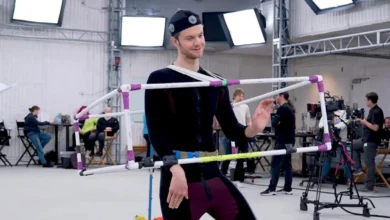
Laura Bailey’s inclusion in the third season carries significant weight, as she provided the definitive performance for one of the most polarizing and complex characters in gaming history. Her transition from the motion-capture suit of the digital Abby to a live-action role represents a homecoming of sorts, acknowledging the foundational contribution of the original cast to the series’ massive cultural footprint. While Kaitlyn Dever has been tapped to portray the live-action iteration of Abby, the inclusion of Bailey provides a symbolic bridge between the two mediums.
Character Analysis: Elizabeth and the Seraphites
In the upcoming third season, Bailey is set to play Elizabeth, a figure identified as a leader within the Seraphites, also known as the "Scars." The Seraphites are a fundamental component of the narrative in the second half of The Last of Us story, characterized by their religious fervor, rejection of pre-outbreak technology, and their brutal, ongoing conflict with the Washington Liberation Front (WLF).

In the video game, the character of Elizabeth exists as a peripheral figure—a name mentioned in passing within the lore. Players encounter accounts of her life through collectibles and environmental storytelling; she is described as a grieving mother who struggled with the rigid, often cruel, mandates of the Seraphite elders after the death of her son. The show’s decision to elevate this minor character to a primary, onscreen role is consistent with the series’ established pattern of expanding the backstory of secondary characters to deepen the emotional stakes for the television audience. By casting an actress of Bailey’s caliber, the showrunners signal that Elizabeth will be granted a more expansive and perhaps more tragic arc than she occupied in the game’s limited documentation.
Chronological Timeline of the Last of Us Adaptation
The journey of The Last of Us from digital media to television has been a multi-year effort defined by meticulous casting and narrative expansion:
- 2013: The original The Last of Us launches, setting the standard for cinematic storytelling in gaming.
- 2020: The Last of Us: Part II is released, featuring Laura Bailey as the co-protagonist Abby Anderson.
- 2023: The first season of the HBO series premieres, breaking records for viewership and critical acclaim.
- 2024: Kaitlyn Dever is formally announced as the actress for the live-action Abby, signaling the production’s shift toward the events of the second game.
- 2025-2026: Production cycles for the second and third seasons accelerate, with showrunners confirming that the scope of the story will necessitate a multi-season approach to cover the breadth of Part II’s narrative.
- 2026 (Current): The confirmation of Laura Bailey’s role for season three provides insight into the production’s focus on the Seraphite-WLF conflict.
Supporting Data and Industry Impact
The success of The Last of Us franchise is bolstered by high retention rates and cross-platform engagement. According to viewership data from Warner Bros. Discovery, the series consistently ranks among the most-watched shows on HBO Max. The integration of established gaming talent serves a dual purpose: it acts as a "seal of approval" for the core gaming fanbase while providing the production with performers who are already intimately familiar with the thematic nuances of the world.
Furthermore, the choice to move the third season toward a character-centric perspective—specifically focusing on Abby’s journey—aligns with the structural storytelling choices of the source material. By placing Bailey in a position of power within the Seraphite hierarchy, the show creates an immediate point of narrative tension. If the show maintains the game’s trajectory, audiences can expect a collision between the WLF’s militarized efficiency and the Seraphites’ dogmatic, ritualistic approach to survival.
Implications of the "Dual-Abby" Dynamic
The most anticipated aspect of this casting decision is the inevitable, if brief, interaction between the two Abbys. Fans of the franchise have expressed strong interest in seeing how the production handles the meeting of the original performer and the live-action actor. In television production, such moments are often treated as "Easter eggs" or meta-narrative nods, but in the context of this series, they serve to reinforce the continuity of the intellectual property.

The implication for the third season is clear: the production team is doubling down on the emotional complexity of the Seraphite conflict. By utilizing an actress as expressive as Bailey for a role that was originally a tragic footnote in the game’s lore, the series is positioning itself to explore themes of grief, indoctrination, and the cycle of violence from the perspective of the "enemy" faction.
Strategic Casting as Narrative Strategy
The decision to bring in veteran performers from the game is more than mere fan service; it is a strategic maneuver in world-building. For audiences who are unfamiliar with the gaming history, Bailey’s performance will be judged on its own merits as a new character. For those who have played the games, the casting adds a layer of depth and appreciation for the craft involved in both the game’s development and the show’s adaptation.
While HBO has not released specific details regarding the duration of Bailey’s arc or the frequency of her appearances, her inclusion in the ensemble cast of season three suggests that the Seraphites will occupy a significantly larger portion of the screen time than they did in earlier iterations. As the series moves into its next phase, the focus remains on the synthesis of the game’s established lore and the show’s unique creative vision.
Conclusion
As HBO prepares to delve deeper into the Seattle-based conflict of The Last of Us, the addition of Laura Bailey underscores a commitment to honoring the franchise’s history while expanding its narrative boundaries. By casting the voice of a central character in a new, pivotal role, the production continues to foster a unique symbiosis between the digital and live-action versions of this post-apocalyptic world. Viewers awaiting the third season can look forward to a performance that bridges the gap between the game’s haunting atmosphere and the prestige-television standard that the show has set, marking another significant milestone in the ongoing development of the series.
Related posts: