Lollipop Chainsaw 2 Officially Announced for Modern Hardware Over a Decade After the Original Release

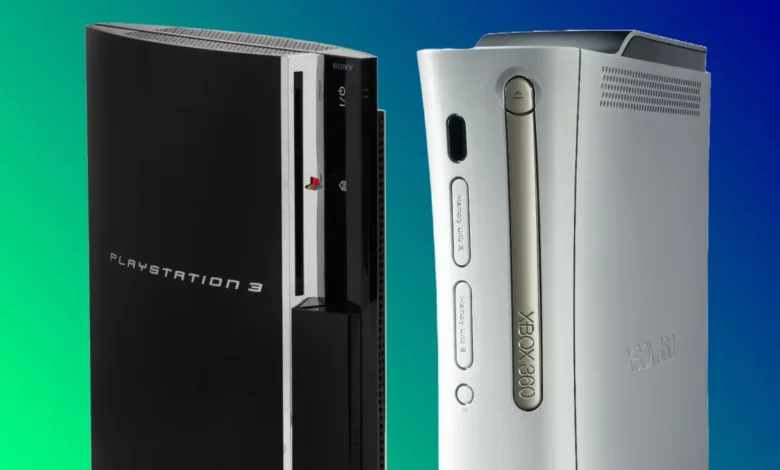
The seventh generation of video game consoles, anchored by the PlayStation 3 and the Xbox 360, remains a legendary era in interactive entertainment. Between 2005 and 2013, the industry witnessed massive leaps in high-definition graphics, narrative complexity, and blockbuster game design. The twilight years of this hardware generation, particularly around 2012, served as a crucible for some of the most enduring franchises and standalone titles in gaming history. During that single calendar year, players were introduced to industry-defining releases such as Borderlands 2, Far Cry 3, Mass Effect 3, Dishonored, Assassin’s Creed 3, and Telltale’s The Walking Dead. Amidst these monumental commercial heavyweights, smaller, distinct, and eccentric titles managed to carve out their own dedicated spaces within the cultural landscape.
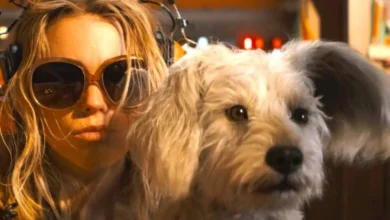
One such title was Lollipop Chainsaw, an action-hack-and-slash game released in June 2012 by publisher Kadokawa Games and developer Grasshopper Manufacture. While contemporary critics delivered a mixed reception—citing repetitive gameplay loops and polarizing comedic sensibilities—the title struck a chord with a specific segment of the gaming public. Its utterly outlandish premise, which followed a cheerful high school cheerleader named Juliet Starling navigating a zombie outbreak with a bejeweled chainsaw and her boyfriend’s disembodied head attached to her hip, quickly propelled the project into cult-classic status.
Now, more than fourteen years after the original game first graced home consoles, publisher Dragami Games has officially confirmed that a full-fledged sequel is in active development. Revealed during Tokyo Game Show (TGS) 2026, the upcoming project has been officially titled Lollipop Chainsaw 2: Back2Back. While the announcement has generated significant enthusiasm among long-time fans who spent over a decade hoping for a continuation of Juliet Starling’s adventures, the project also arrives with notable caveats regarding its development pipeline and the absence of its original creative masterminds.
A Look Back: The Origins and Cultural Impact of the 2012 Original
To understand the weight of a Lollipop Chainsaw sequel, one must examine the unique creative ecosystem that produced the 2012 original. Developed under the banner of Grasshopper Manufacture, the game was the brainchild of visionary Japanese game director Goichi Suda, universally known in the industry as "Suda51." Suda51 had already built a reputation for avant-garde, punk-rock-inspired titles that blended hyper-stylized violence, eccentric characters, and satirical commentary, as seen in previous works like No More Heroes and Killer7.
To bolster the game’s Western appeal, cinematic flair, and sharp comedic writing, Grasshopper Manufacture brought on American filmmaker and writer James Gunn. Fresh off his work on films like Slither and Super, and years before steering cinematic universes for Marvel and DC Studios, Gunn co-wrote the script and helped shape the irreverent tone, dark humor, and eclectic soundtrack that defined Lollipop Chainsaw.
Upon its release in North America, Europe, and Japan in the summer of 2012, the game achieved respectable commercial figures despite the critical divide. It capitalized on an era where mid-budget, creative action games could still thrive alongside massive open-world epics. Over the subsequent years, physical copies of the PS3 and Xbox 360 versions became sought-after collector’s items, as licensing issues—particularly concerning the game’s extensive licensed soundtrack featuring musical acts like Joan Jett, Jimmy Urine, and Sleigh Bells—prevented the title from receiving digital ports on eighth-generation consoles like the PlayStation 4 and Xbox One.
The Long Road to Revival: Remaster to Sequel
The journey toward Lollipop Chainsaw 2: Back2Back has been protracted and complex. For years, intellectual property rights holder Kadokawa Games and later Dragami Games evaluated the viability of bringing the franchise back to modern hardware. The first major milestone in this modern revival effort occurred with the announcement and subsequent release of Lollipop Chainsaw RePOP, a remastered and updated version of the original game designed for current-generation platforms.
RePOP aimed to introduce the cult classic to a new generation of gamers while updating technical performance, resolution, and frame rates. However, even during the development of RePOP, it became clear that the original creative team would not be steering the ship. Kadokawa Games spun off certain assets and properties, leading Dragami Games—led by producer Yoshimi Yasuda—to take primary control of the intellectual property.
The successful rollout of RePOP evidently provided Dragami Games with the financial backing and institutional confidence necessary to greenlight a true sequel. During the Tokyo Game Show 2026 presentations, Dragami Games shocked the industry by officially lifting the curtain on Lollipop Chainsaw 2: Back2Back, accompanied by early pre-alpha in-development footage intended to demonstrate that the project had graduated from the conceptual drawing board into active production.
Analyzing the Early Footage and Production Timeline
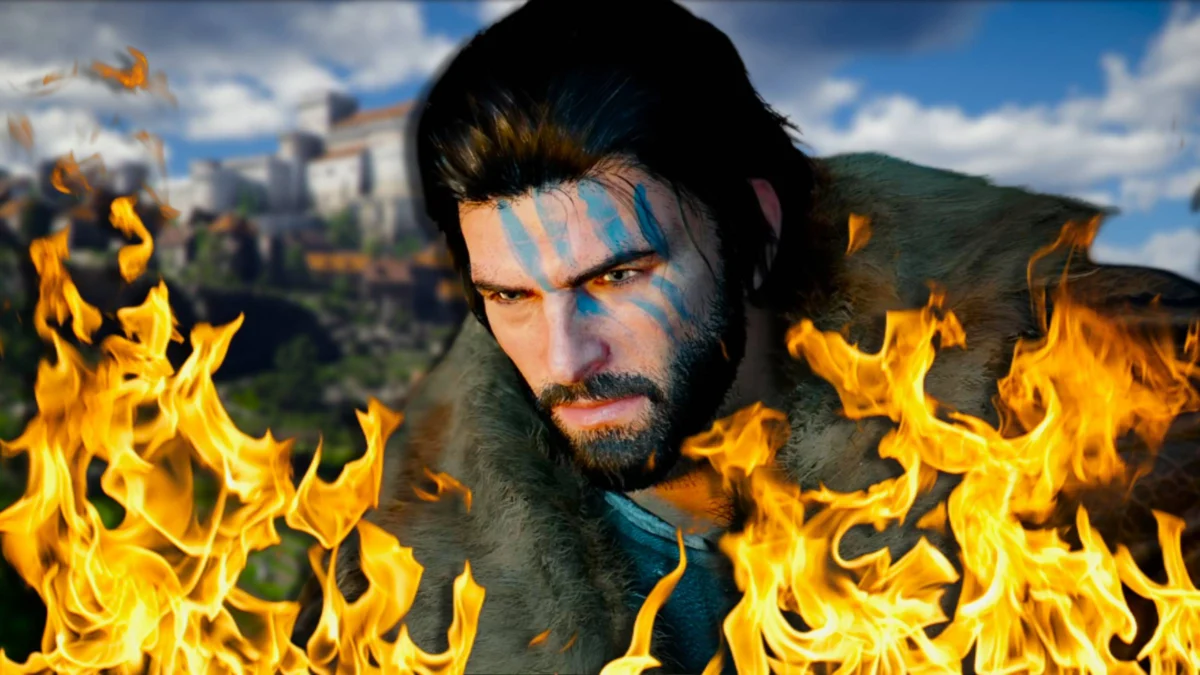
The initial reveal trailer and gameplay snippets showcased at TGS 2026 provided fans with their first glimpse into the aesthetic and technical direction of Back2Back. However, industry analysts and attentive fans have pointed out that the footage indicates the game is currently in the very earliest stages of production.
Character models, environmental textures, and combat animations displayed in the preview suggest a title that has significant ground to cover before it reaches a polished, consumer-ready state. Despite the embryonic nature of the build, Dragami Games has boldly stated an ambitious release window of 2027. Given historical trends in software development—where early gameplay reveals often precede multi-year delays—observers have expressed skepticism regarding whether a 2027 launch is realistic for a fully realized action title.
Furthermore, the transition from the seventh console generation to modern ninth-generation hardware (such as the PlayStation 5, Xbox Series X/S, and PC) demands higher fidelity assets, complex physics engines, and advanced lighting systems. Whether Dragami Games possesses the internal studio scale and budgetary resources to meet modern AAA or robust AA production standards within such a compressed timeline remains a primary point of discussion among industry commentators.
Creative Departures: The Absence of Suda51 and James Gunn
Perhaps the most significant talking point surrounding the announcement of Lollipop Chainsaw 2: Back2Back is the complete absence of the creative heavyweights who defined the identity of the original game.
Neither Goichi "Suda51" Suda nor Grasshopper Manufacture are involved in the development of the sequel. Suda51, who has continued to helm distinct titles through Grasshopper under NetEase Games backing, has publicly acknowledged the continuation of the franchise by other hands, but his distinct directorial voice—characterized by meta-narratives, fourth-wall breaks, and idiosyncratic punk aesthetics—will be absent from the writers’ and directors’ rooms.
Similarly, James Gunn has no participation in Back2Back. While this exclusion comes as no surprise to industry watchers—given that Gunn’s professional focus is entirely consumed by his executive and creative duties as the co-chairman and co-CEO of DC Studios—his absence removes the specific brand of biting, irreverent American dark comedy that balanced Suda’s Japanese pop-culture sensibilities in the 2012 release.
The realization that a legacy sequel is proceeding without its original auteur and co-writer has naturally introduced apprehension into the discourse. Fans and critics alike are questioning whether Back2Back can successfully capture the lightning-in-a-bottle chemistry that turned a deeply flawed yet charming B-movie-style video game into a cherished cult classic. Dragami Games will effectively have to prove that they can authentically emulate and evolve a distinct tonal style without the original architects guiding the process.
Broader Implications and Market Expectations
The revival of dormant intellectual properties from the PS3 and Xbox 360 era has become a prominent strategy for publishers navigating a risk-averse games industry. Remasters, remakes, and legacy sequels offer built-in brand recognition and nostalgia-driven marketing that lower the hurdle of customer acquisition in an overcrowded digital marketplace.
For Dragami Games, Lollipop Chainsaw 2: Back2Back represents a critical test of their studio’s identity and operational capacity. Succeeding in the modern hack-and-slash market requires competing against polished, high-velocity action titles that have evolved significantly since 2012. Mechanics that were acceptable or charmingly clunky fourteen years ago—such as rigid camera controls, repetitive crowd-control arenas, and simplistic platforming—will face harsher scrutiny from modern players accustomed to the fluid combat systems found in titles like Devil May Cry 5, Bayonetta 3, or stellar Blade.
As development continues toward the targeted 2027 release window, all eyes will remain on Dragami Games for subsequent updates, deeper gameplay demonstrations, and clarity on how they intend to honor the legacy of Juliet Starling while forging a new path forward. Whether Lollipop Chainsaw 2: Back2Back can triumphantly resurrect a beloved relic of the early 2010s or falter under the weight of high expectations without its original creators remains one of the most compelling narratives in the upcoming gaming landscape.