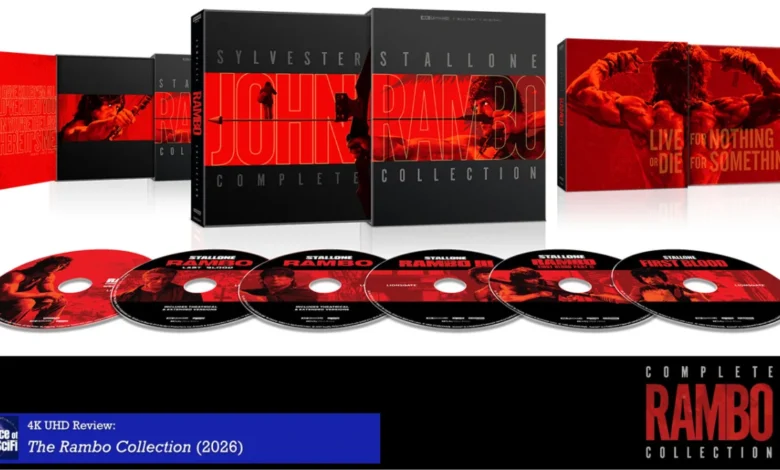
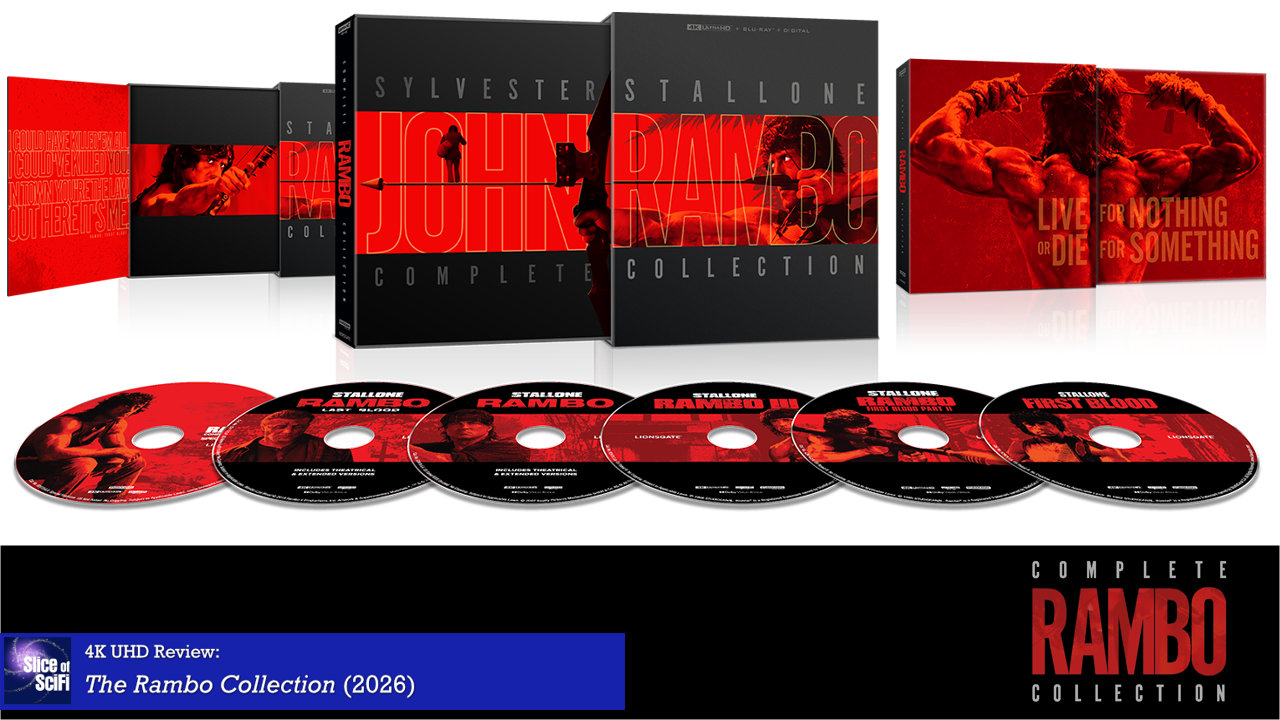
Lionsgate’s release of The Rambo Collection on 4K Ultra HD marks a definitive milestone for one of the most commercially successful and culturally enduring action movie franchises in cinematic history. Spanning nearly four decades, the five-film series traces the evolution of John J. Rambo—an iconic character originally brought to life by David Morrell in his 1972 novel and immortalized on screen by Sylvester Stallone. This comprehensive box set aggregates the entire cinematic arc of the troubled Vietnam veteran, pairing high-end restoration technology with an unprecedented archive of legacy and newly produced supplemental materials. For both dedicated physical media collectors and longtime enthusiasts of the franchise, the release offers a robust package designed to maximize the audio-visual capabilities of modern home theater systems while providing an exhaustive retrospective of the character’s cultural impact.
Thematic Evolution and Cinematic Chronology
The narrative trajectory of the Rambo franchise mirrors shifting geopolitical landscapes and evolving Hollywood action tropes from the early 1980s through the late 2010s. The journey begins with 1982’s First Blood, directed by Ted Kotcheff, which introduced audiences to an emotionally scarred former Green Beret battling severe post-traumatic stress disorder and small-town police hostility in the Pacific Northwest. Rather than a straightforward action vehicle, the original film functioned as a tense, psychological thriller examining the societal neglect faced by returning Vietnam War veterans.
As the franchise progressed into the mid-to-late 1980s, it aligned with the Reagan-era resurgence of American patriotism and muscular action cinema. Rambo: First Blood Part II (1985), co-written by James Cameron and directed by George P. Cosmatos, transformed the character into an indomitable fighting machine dispatched to Vietnam on a reconnaissance mission to locate missing prisoners of war. This installment catapulted the character into global pop-culture iconography, establishing box-office dominance and sparking widespread commercial merchandising. Rambo III (1988), directed by Peter MacDonald, continued this geopolitical trend, embedding the protagonist in the Soviet-Afghan War to rescue his former commanding officer, Colonel Samuel Trautman (played by Richard Crenna).
After a two-decade hiatus, Sylvester Stallone returned to both direct and star in 2008’s Rambo, shifting the tone back toward visceral realism. Set against the backdrop of the Saffron Revolution, the fourth installment finds an aging Rambo reluctantly guiding humanitarian aid workers through the conflict-torn jungles of Burma (Myanmar). The franchise concluded—temporarily or otherwise—with 2019’s Rambo: Last Blood, directed by Adrian Grunberg. In this final chapter, an older, isolated Rambo confronts a Mexican cartel after the granddaughter of an old friend is kidnapped, unleashing a calculated wave of vengeance that brought the character’s cinematic journey full circle.
Technical Specifications: Audio and Video Restoration
The Rambo Collection presents all five films across 4K Ultra HD discs, utilizing 2160p resolution paired with Dolby Vision HDR to enhance visual depth, contrast, and color fidelity. The treatment yields significant improvements in skin tones, shadow details in complex night sequences, and the earthy, naturalistic color palettes of the jungle-set installments.
Audio configurations vary by title, reflecting the technological capabilities available during each film’s original production. First Blood, Rambo: First Blood Part II, and Rambo III feature newly minted, exclusive Dolby Atmos mixes alongside Dolby TrueHD 5.1 and the original PCM theatrical stereo tracks. The inclusion of enhanced PCM audio tracks sourced from vintage laserdisc releases represents a notable curatorial choice for audiophiles. Meanwhile, 2008’s Rambo and 2019’s Rambo: Last Blood are presented with Dolby Vision HDR and Dolby Atmos tracks. The spatial audio implementations on the classic trilogy are designed to bring fresh dynamism to iconic soundscapes, ranging from the echoing gunfire of the police manhunt in First Blood to the explosive jungle warfare of the sequels.
Comprehensive Special Features and Archival Additions
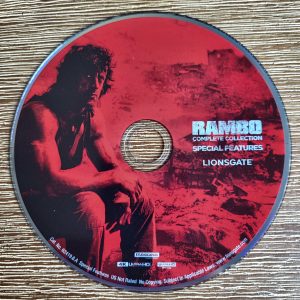
A primary selling point of this 4K box set is the sheer volume of supplemental content. Lionsgate has assembled a dedicated 4K bonus disc alongside digital access options, organizing hours of behind-the-scenes material by individual film, supplemented by newly commissioned featurettes.
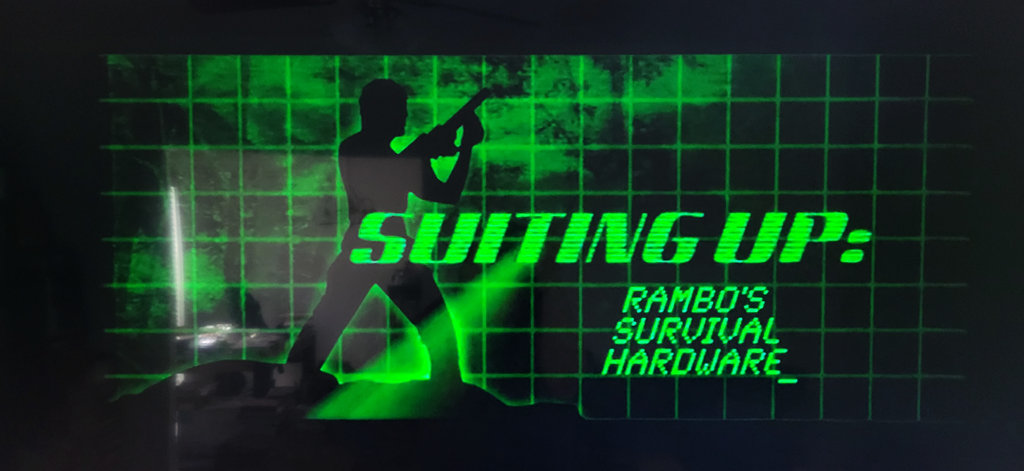
The legacy materials span decades of home video releases, offering historical insights into the production of each movie. For First Blood, features such as "A Long Road: 40 Years of First Blood," "The Hunter and The Hunted: Scoring First Blood," and interviews with Sylvester Stallone provide deep context into the film’s troubled early production history and eventual cultural resonance. Rambo: First Blood Part II includes extensive making-of documentaries like "We Get to Win This Time: The Rambo Phenomenon" and archival interviews with both Stallone and the late Richard Crenna. Rambo III explores the logistical challenges of filming in extreme environments and the design of the protagonist’s tactical gear. The 2008 and 2019 entries feature multi-part production diaries, including "To Hell and Back" and "Drawing Last Blood," which document the physical demands placed on Stallone during later stages of the franchise.
Beyond legacy content, the collection introduces exclusive new features produced for this release. These include "Reflections on First Blood" with director Ted Kotcheff, "Storyboarding First Blood" featuring an interview with storyboard artist William Stout, and "The Art of Rambo," which celebrates the iconic poster illustrations of Drew Struzan and Renato Casaro. Additionally, a dedicated segment explores items from the 2015 auction of Stallone’s personal collection, offering a tangible connection to the production history of the films.
Broader Cultural Impact and Extended Media
The enduring profitability and cultural footprint of the Rambo property extend well beyond the five feature films. Following the massive box-office success of the 1980s sequels, the character crossed into television and merchandising. In 1986, Ruby-Spears Enterprises produced Rambo: The Force of Freedom, an animated syndicated television series that ran for 65 episodes. Accompanied by an extensive line of action figures and vehicle toys distributed by Coleco, the animated adaptation positioned Rambo as the leader of an elite paramilitary team, echoing concurrent marketing strategies employed by similar toy-driven franchises of the era.
Furthermore, the literary origins of the character continue to hold a distinct place in modern thriller literature. David Morrell’s original 1972 novel First Blood presented a darker, more fatalistic conclusion for the protagonist than the cinematic adaptation, establishing themes of institutional alienation that resonated strongly in post-Vietnam America. Morrell’s subsequent novelizations of the film sequels, along with his broader bibliography of espionage fiction—such as The Brotherhood of the Rose—demonstrate the enduring literary framework that birthed modern action cinema’s most recognizable archetype.

Industry Implications for Physical Media Collectors
The release of The Rambo Collection highlights a broader industry trend within the home entertainment sector: major studios utilizing comprehensive box sets, packed with both archival legacy content and newly curated retrospective material, to incentivize physical media purchases among dedicated collectors. As streaming platforms increasingly fragment digital libraries, comprehensive physical editions equipped with state-of-the-art restorations and exhaustive bonus features remain a preferred format for cinephiles seeking definitive, permanent representations of classic cinematic properties. By bridging early 1980s cinema history with modern 4K restoration standards, Lionsgate’s latest box set ensures that the cinematic legacy of John Rambo remains preserved for future generations of film enthusiasts.