Paramount Settles Antitrust Suit Paving Way To Finalize Warner Bros Deal and Other Star Trek News

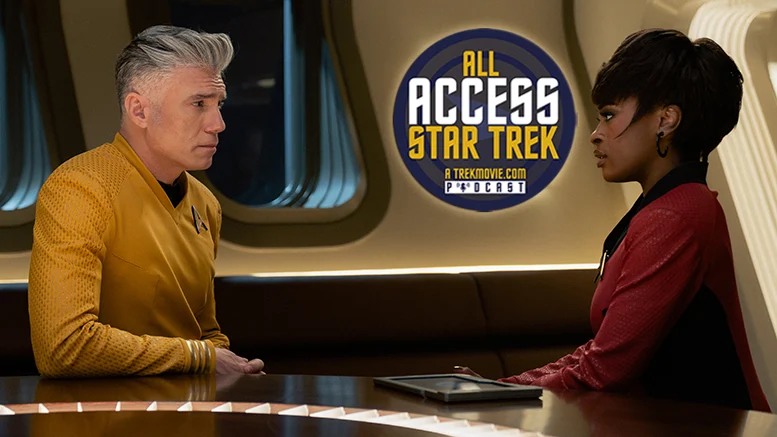
The landscape of American media is undergoing a seismic shift following the resolution of a significant antitrust lawsuit involving Paramount Global, a development that effectively removes the final legal hurdle for the company’s proposed merger with Warner Bros. Discovery. This regulatory milestone marks a turning point for one of Hollywood’s most storied studios and signals a new chapter for its flagship intellectual properties, most notably the expansive Star Trek franchise. As the industry recalibrates, fans and analysts alike are dissecting what this consolidation means for the future of the galaxy’s most iconic science fiction universe.
The Paramount-Warner Bros. Merger: A Timeline of Consolidation
The path to this settlement began in early 2026, as rumors of a massive media conglomerate merger circulated through Wall Street. The subsequent antitrust litigation, brought by government regulators concerned about market monopolization and the reduction of creative competition, stalled the deal for several months.
The chronology of this corporate maneuvering is as follows:
- January 2026: Initial reports emerge regarding high-level discussions between Paramount and Warner Bros. executives.
- March 2026: Federal regulators formally challenge the merger, citing concerns under the Sherman Antitrust Act.
- June 2026: Discovery and document production phases reveal the complexity of streaming service integration.
- September 2026: A settlement is reached in the antitrust suit, requiring specific divestitures of regional broadcast assets to maintain competitive balance.
- September 21, 2026: Formal announcement that the legal path is cleared for the transaction to finalize.
This merger is intended to create a singular media entity capable of competing with tech-giant streaming platforms. For Star Trek, the implications are profound. By combining the vast library of Paramount’s CBS-owned archives with the extensive production capabilities of Warner Bros., the franchise is expected to see a shift in distribution strategy, potentially unifying all legacy content under one streamlined digital roof.
Strange New Worlds and the Quest for Legacy Talent
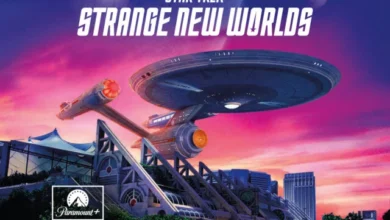
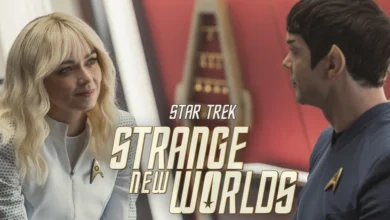
While corporate executives navigate boardrooms, the creative team behind Star Trek: Strange New Worlds continues to push the boundaries of episodic storytelling. Recent internal revelations have confirmed that show producers made an aggressive, albeit ultimately unsuccessful, effort to secure the return of William Shatner to reprise his role as Captain James T. Kirk.
The initiative was intended to coincide with a special homage to the original series (TOS). Despite the creative appeal of bringing the franchise’s progenitor back for a "sequel" style episode, scheduling conflicts and creative direction requirements ultimately prevented the collaboration. This attempt underscores a broader trend in modern television: the "legacy cameo" strategy. By bridging the gap between the 1960s source material and the contemporary aesthetic of Strange New Worlds, producers aim to maintain continuity while appealing to a multi-generational audience.
Critical Reception of the Season 4 Finale
The Season 4 finale of Star Trek: Strange New Worlds, titled "Tomorrow’s Enterprise," has garnered significant critical attention. The episode, which serves as a thematic successor to the critically acclaimed Star Trek: The Next Generation episode of the same name, has been praised for its high production value and narrative ambition.
Central to the success of this finale was the performance of Celia Rose Gooding. In a role that required the actor to portray two distinct iterations of Nyota Uhura, Gooding demonstrated an range that critics noted as a high-water mark for the series. The episode’s narrative structure—a complex temporal displacement plot—required a nuanced handling of character history, effectively balancing the weight of established canon with the forward-looking nature of the current series. Chris Fisher, the producing director of Strange New Worlds, is credited with maintaining the visual continuity that has become a staple of the show’s identity.
Broader Impact on the Star Trek Ecosystem
The Star Trek universe continues to expand beyond television screens, reflecting a diversified media strategy. Recent developments include:
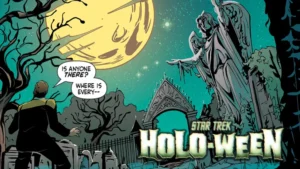
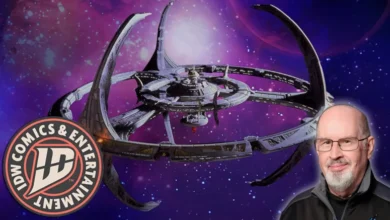
- Literature and Comics: IDW Publishing has launched a new flagship comic series, which features Captain Seven of Nine commanding the USS Enterprise-G. This transition from Star Trek: Picard into a dedicated comic format allows for narrative exploration that is often limited by the budget of live-action production.
- Interactive Media: The expansion of Star Trek Online with the "Rediscovered" update highlights the brand’s longevity in the gaming space. The introduction of "Three Spocks" into the game’s lore serves as an example of how interactive media utilizes the franchise’s multiversal potential to engage users.
- Cultural Resonance: The recent public activity of William Shatner—specifically his foray into heavy metal music and his unique interpretative performance of Metallica’s "Enter Sandman"—highlights the enduring, if eclectic, cultural footprint of the original TOS cast. Such activities keep the brand in the public discourse, independent of traditional media cycles.
Contextual Analysis: The Passing of an Icon
The industry also mourns the loss of Leslie Parrish, a guest star whose contributions to Star Trek: The Original Series were part of a broader, distinguished career in mid-century cinema. Her passing at the age of 90 serves as a reminder of the historical depth of the franchise. Parrish, who appeared in notable works like The Manchurian Candidate, brought a caliber of acting talent to TOS that helped solidify its reputation as a serious science fiction endeavor. Her legacy, alongside the recent structural changes at Paramount, reflects the constant evolution of a franchise that remains as much a historical touchstone as it is a contemporary commercial powerhouse.
Future Outlook and Industry Implications
The consolidation of Paramount and Warner Bros. Discovery suggests that future Star Trek productions will likely benefit from larger production budgets and more cohesive international distribution. However, the antitrust settlement also mandates that the new entity must remain attentive to market competition.
Industry analysts suggest that the next phase for the franchise will focus on "franchise sustainability." This involves:
- Centralized Production: Reducing redundant overhead costs by unifying production teams under a single corporate umbrella.
- Content Diversification: Expanding into new genres within the Star Trek universe, including animated projects and expanded gaming integrations, to reach younger demographics.
- Strategic Licensing: Leveraging the combined intellectual property portfolios of both companies to drive international growth.
As the industry moves toward a post-merger reality, the focus for fans will remain on the quality of output. The successful integration of legacy talent, as evidenced by the efforts to involve William Shatner, combined with the strong critical reception of current series like Strange New Worlds, suggests that the core identity of Star Trek remains intact even as its corporate foundations shift.
For now, the focus shifts to the upcoming interviews with the creative leads behind the Strange New Worlds finale. These discussions are expected to provide deeper insights into the technical challenges of modern television production and how the team manages the high expectations of a global fanbase that is as invested in the franchise’s history as it is in its future. As the legal dust settles and the new corporate structure takes hold, the Star Trek universe stands at a threshold, prepared for a new era of exploration, both on-screen and in the boardroom.