Abzu and Studio Ghibli inspired this solo roleplaying game about diving around spectacular coral reefs

The Design Philosophy and Narrative Foundation
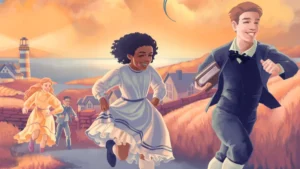
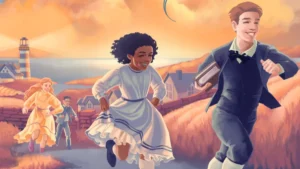
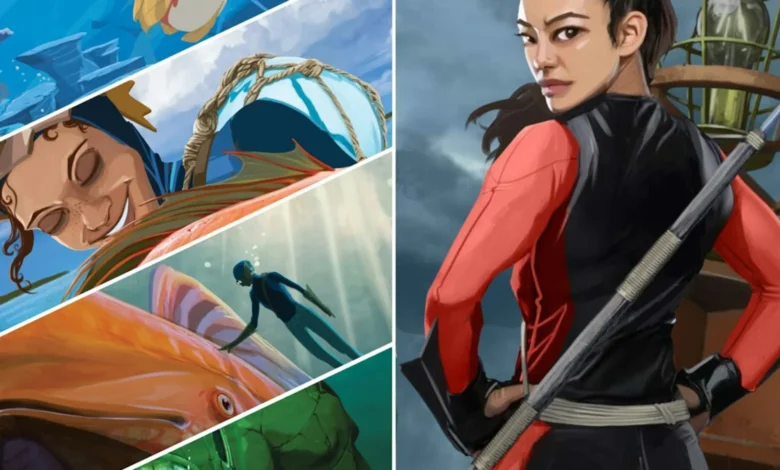
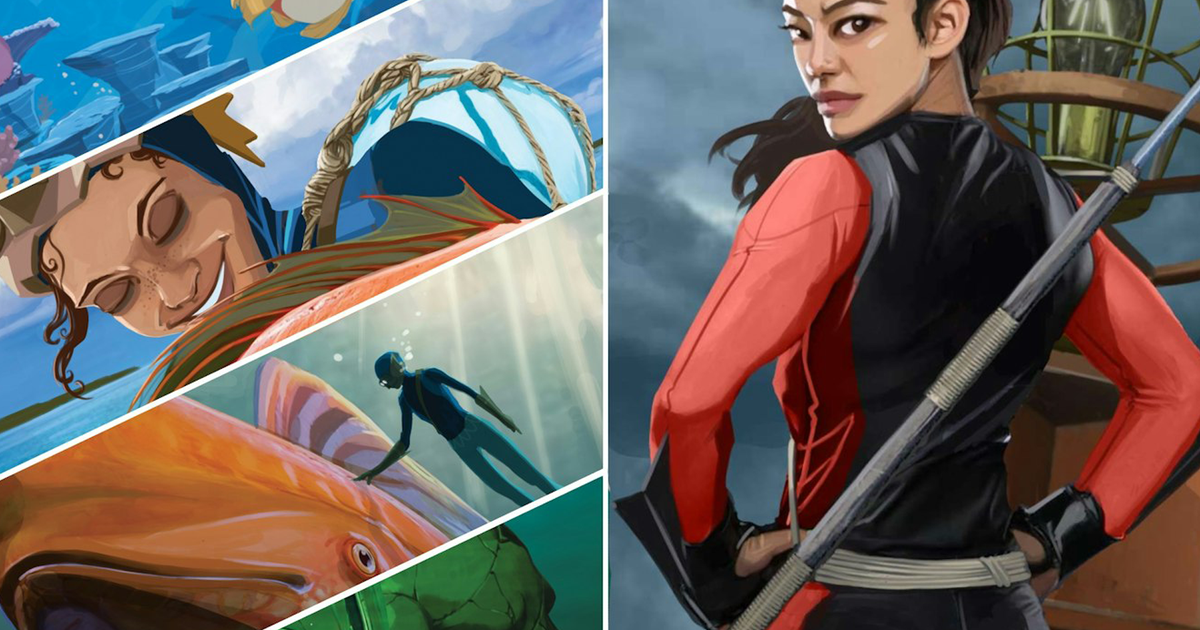
At the heart of Bow lies a desire to translate the visual language of Studio Ghibli—specifically the sweeping, ethereal landscapes of films like Nausicaä of the Valley of the Wind and the coastal tranquility of Porco Rosso—into a tabletop format. The game’s aesthetic, brought to life by artists WillowsQuest and Alex Connolly, focuses on high-contrast coral reefs, ancient submerged structures, and a menagerie of fantastical marine life. This visual commitment is not merely cosmetic; it is intended to ground the player in a world that feels both ancient and alive, providing the necessary atmosphere for a journaling RPG where the "world-building" is a collaborative effort between the player’s imagination and the game’s prompts.
The core narrative premise involves the Shoaling Festival, a competitive race through the deep. Players are tasked with navigating a pre-defined route, marked by four specific waypoints, while searching for "Old-World relics"—artifacts of a civilization that preceded the current ocean-faring society. The stakes are portrayed as high for the player’s community, framing the race not just as a sporting event, but as a vital duty that could dictate the future prosperity of their people. This duality of peaceful exploration and urgent competition creates a unique tension, requiring players to balance their curiosity for the environment with the efficiency required to secure victory.
Mechanics: The Carta System and Gameplay Loops
Bow utilizes the Carta system, a lightweight and flexible ruleset developed by Peach Garden Games. This system is designed specifically for journaling games and relies on a standard deck of 52 playing cards—though Bow utilizes a 24-card subset—to dictate the flow of the narrative. By laying out these cards in a six-by-four grid, the game creates a map of the ocean. Each card represents a specific location, an encounter, or an event.
The mechanics are categorized by suit, with each suit representing different environmental challenges or interactions with rival divers. As players traverse the grid, they encounter obstacles that force them to interact with their environment. If a player draws a card that represents a competitor, they must engage with the narrative consequences of that rivalry. The objective—reaching the four designated markers and collecting the necessary relics—is verified by the appearance of the Aces within the deck. If a player manages to uncover the four required Aces while successfully navigating the grid before their opponents, they achieve victory.
This system is lauded for its accessibility. Unlike traditional TTRPGs that require extensive character sheets and complex dice mathematics, the Carta system provides a tactile, visual experience. The cards act as a spatial reference for the player, allowing them to "see" their journey across the ocean floor. This spatial awareness is crucial for solo play, where the burden of immersion falls entirely on the player’s ability to interpret the prompts provided by the game.
Chronology and Development History
Hatchlings Games has established a consistent track record for creating niche, high-quality solo RPG experiences. The development of Bow follows a trajectory that highlights the studio’s interest in narrative-heavy, instructional games.
- Early Concept Phase: The initial conceptualization of Bow began as a desire to explore the "blue space" in gaming—a counter-movement to the often combat-heavy or dark-fantasy focus of mainstream TTRPGs.
- Artistic Collaboration: Throughout late 2023 and early 2024, Hatchlings Games partnered with WillowsQuest and Alex Connolly to define the visual identity of the project, ensuring the Ghibli-esque aesthetic was consistent across the rulebook.
- System Integration: The decision to utilize the Carta system was finalized to ensure that the game remained accessible to non-experts, allowing the narrative prompts to take center stage.
- Announcement: The title was officially announced to the public, detailing the solo and duet modes, with a planned crowdfunding launch date of May 31st via the Backerkit platform.
This timeline reflects a deliberate approach to design, focusing on the refinement of the core mechanics before moving toward a wider release. By choosing to launch via Backerkit, the studio is tapping into a growing market of tabletop enthusiasts who prioritize high-quality physical production values and thematic consistency.
Broader Context and Market Implications
The solo TTRPG market has seen a significant surge in interest since 2020. The "journaling RPG" sub-genre, which includes titles such as Thousand Year Old Vampire and Apothecaria, has carved out a space for players who prefer a solitary, creative outlet over traditional group play. Bow fits neatly into this growing category, offering a low barrier to entry for newcomers while providing enough narrative depth to satisfy veteran players.
From a design analysis perspective, the use of the Carta system by Hatchlings Games demonstrates a shift toward "modular" RPG design. By licensing a successful, pre-tested engine like Carta, developers can dedicate more resources to world-building, writing, and illustration. This trend is likely to continue as independent creators seek to minimize the risks associated with designing complex, proprietary rulesets from scratch.

Furthermore, the game’s emphasis on sign language education through the studio’s previous work, Inspirisles, suggests that Hatchlings Games is invested in the "Games for Good" movement. While Bow is ostensibly a fantasy adventure, its design promotes themes of environmental stewardship and community responsibility, aligning with the studio’s broader mission to use tabletop gaming as a medium for positive cultural engagement.
Industry Reception and Future Outlook
While a formal public reaction is pending the May 31st crowdfunding campaign, early industry signals suggest significant interest. The intersection of "solo RPG" and "Ghibli-inspired art" is a powerful marketing hook in the current landscape. Solo RPGs are increasingly being viewed as a therapeutic or meditative hobby, and Bow’s oceanic setting positions it as an ideal candidate for players seeking a "cozy" gaming experience.
The potential impact of Bow extends beyond just its mechanics. By bringing the aesthetic sensibilities of Japanese animation into the Western indie TTRPG sphere, Hatchlings Games is contributing to a cross-pollination of artistic styles that is enriching the tabletop medium. If the campaign succeeds, it will likely serve as a case study for how small studios can leverage established systems to create highly thematic, aesthetically driven games that stand out in an increasingly crowded marketplace.
As the launch date approaches, the focus for the development team remains on finalizing the rulebook’s content and ensuring that the gameplay prompts are robust enough to support multiple playthroughs. With the crowdfunding phase set to provide the necessary capital for high-quality printing, Bow is poised to become a notable entry in the 2024 tabletop calendar, offering a unique, tranquil, and immersive journey into a world beneath the waves.
Related posts: