Castles in the Air Tabletop RPG Explores Gilded Age Coming-of-Age Narratives Through Collaborative Storytelling


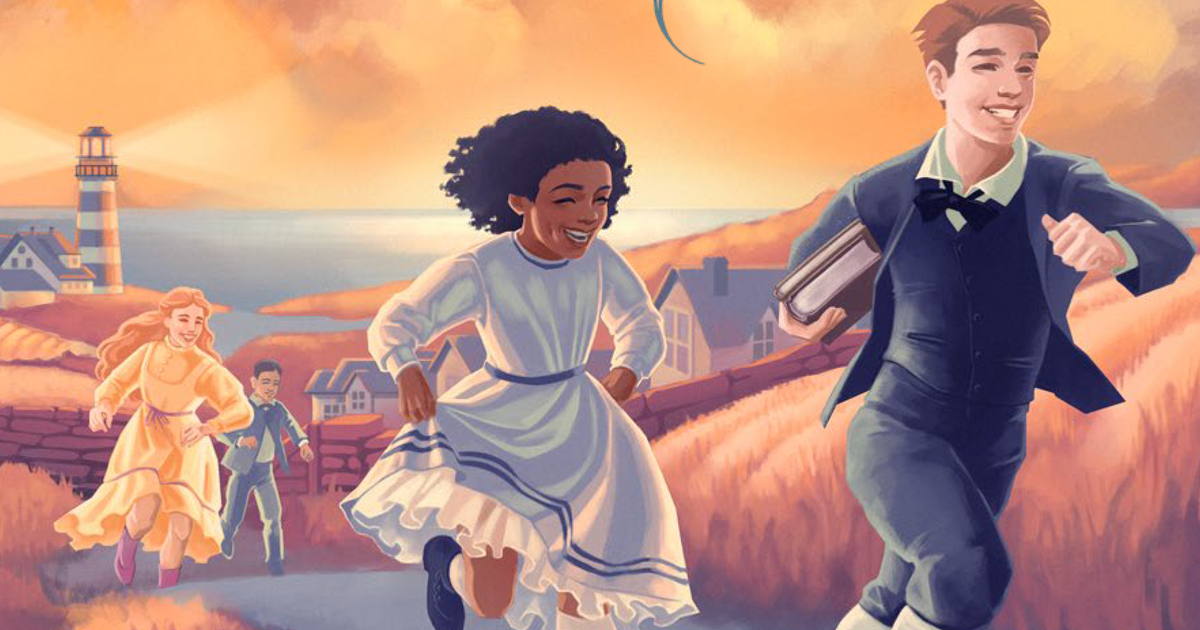
The landscape of tabletop roleplaying games (RPGs) continues to diversify beyond traditional high-fantasy dungeon crawls, moving into the nuanced realms of historical fiction and emotional character development. Storybrewers Roleplaying, the acclaimed studio behind the Jane Austen-inspired "Good Society," has announced its latest project: "Castles in the Air." This new tabletop experience is designed to facilitate the creation of sweeping, multi-generational narratives reminiscent of classic coming-of-age literature. Drawing heavy inspiration from the works of Louisa May Alcott and Lucy Maud Montgomery, the game invites players to navigate the transition from the innocence of childhood to the complexities of adulthood during the American Gilded Age.
Set against the backdrop of the late 19th century—specifically the 1870s through the 1890s—"Castles in the Air" focuses on a tight-knit group of characters as they grow up together. The game utilizes a collaborative storytelling framework, allowing participants to jointly construct a world that balances the pastoral wonders of youth with the socio-economic pressures of the industrializing United States. Currently live on the crowdfunding platform Kickstarter, the project has already garnered significant attention from the indie RPG community, signaling a sustained interest in "low-stakes" narrative-driven gaming.
Historical and Literary Foundations
The Gilded Age serves as more than just a decorative backdrop for "Castles in the Air." It was a period of profound transformation in American history, characterized by rapid industrialization, the expansion of the transcontinental railroad, and a massive influx of European immigrants. While the era is often associated with the opulence of the "Robber Barons" and the grit of urban factories, "Castles in the Air" leans into the rural and domestic experiences of the era. This setting mirrors the environment of "Little Women," which was most recently adapted into a critically acclaimed 2019 film by Greta Gerwig, and "Anne of Green Gables," the basis for the 2017 Netflix series "Anne with an E."
By grounding the gameplay in this specific historical window, the game allows players to explore the tension between traditional agrarian lifestyles and the looming shadow of the 20th century. The title itself, "Castles in the Air," is a direct reference to a metaphor used in Alcott’s "Little Women," symbolizing the lofty dreams and ambitions held by the March sisters. In the context of the RPG, these "castles" represent the aspirations players set for their characters during the childhood phase of the game—aspirations that may either be realized or poignantly abandoned as the characters age.
The Mechanics of Growing Up: A Three-Phase Narrative
Unlike many RPGs that focus on a static moment in a character’s life, "Castles in the Air" is structured around a chronological progression. The game is divided into distinct phases that reflect the biological and social development of the protagonists.
The Childhood Phase
The journey begins with characters as children, ranging from roughly ages eight to twelve. In this stage, the mechanics prioritize exploration and imagination. Players engage in activities typical of the era’s romanticized rural life: exploring local farmlands, swimming in lakes, and observing the night sky. This phase is crucial for establishing the "shared childhood" of the group. It builds the foundation of trust and intimacy that will be tested in later years. The stakes are localized and emotional, focusing on the preservation of wonder and the formation of the group’s "secret world."
The Adolescent Phase
As the narrative shifts into the teenage years, the game introduces new mechanical layers involving social friction and self-discovery. This is the period where "bosom enemies" and first loves are introduced. The game encourages players to develop rivalries and crushes, reflecting the hormonal and social volatility of the mid-to-late teens. The "castles in the air" built during childhood begin to face the scrutiny of reality, as family expectations and societal norms start to dictate the characters’ possible futures.
The Adulthood Phase
The final phase of the game deals with the consequences of time. Characters reach maturity and often find themselves pulled in different directions by career, marriage, or migration. A core theme of this stage is the "drifting apart" and the subsequent effort required to maintain childhood bonds. The game explores the joys of fulfillment alongside the hardships of loss and economic reality. The narrative often culminates in a reunion, allowing players to reflect on how their characters have changed and which parts of their "castles in the air" remain standing.
Character Archetypes and Roleplay Dynamics
To facilitate the period-accurate atmosphere, "Castles in the Air" utilizes roleplay archetypes that resonate with 19th-century literature. Players can choose from several "Playbooks," each representing a classic character trope:
- The Troublesome Scamp: A character defined by their energy and penchant for mischief, often challenging the strict social codes of the era.
- The Studious Bookworm: An intellectual dreamer who seeks knowledge beyond their immediate surroundings, often feeling out of place in a rural setting.
- The Spoiled Princess: A character with high social standing and material wealth, who must navigate the expectations of their class while seeking genuine connection.
Each archetype is further customized with a "Dream," a "Family Background," and specific "Childhood Relationships." A unique feature of the character creation process is the "Bosom Enemy"—a rival character whose presence provides a constant source of narrative tension and growth. This system ensures that every character has an inherent motivation and a specific social gravity within the group.
The Creative Team and Design Philosophy
The game is the brainchild of Melia Carraway, who served as the primary designer and writer. The project is published by Storybrewers Roleplaying, a studio led by co-founders Vee Hendro and Hayley Gordon. Storybrewers has established a reputation for "Good Society: A Jane Austen Roleplaying Game," which was lauded for its innovative use of social mechanics over combat-oriented systems.
Carraway, Hendro, and Gordon bring a design philosophy that prioritizes emotional resonance and "collaborative authority." In "Castles in the Air," the Game Master (GM) role is often more of a facilitator than a traditional antagonist. The mechanics are designed to empower players to describe their own successes and failures, focusing on how those outcomes affect the character’s internal world and their standing with their peers. This approach aligns with a broader trend in the TTRPG industry toward "cozy" gaming—experiences that prioritize comfort, nostalgia, and interpersonal drama over violence or high-stakes peril.
Market Trends and the Rise of Narrative RPGs
The emergence of "Castles in the Air" comes at a time when the tabletop industry is seeing a significant shift in player demographics. Data from platforms like Roll20 and DriveThruRPG suggest a growing market for "Rules-Light" or "Powered by the Apocalypse" (PbtA) style games that emphasize narrative flow over complex mathematical calculations.

The success of period-piece media—from the "Bridgerton" effect to the perennial popularity of "Little Women"—has created a fertile ground for games that allow fans to inhabit those worlds. "Good Society" previously demonstrated that there is a substantial audience willing to fund games centered on social etiquette and romance. "Castles in the Air" expands this niche by focusing on the universal experience of growing up, making it accessible to a wider range of players who may not be familiar with traditional gaming tropes but are intimately familiar with coming-of-age stories.
Crowdfunding Timeline and Distribution
The Kickstarter campaign for "Castles in the Air" is scheduled to run until June 9th. As of the current reporting, the project has surpassed its initial funding goals, ensuring that the game will move into full production.
The pricing structure for the campaign includes:
- Digital Tier: For a pledge of AU$ 34 (approximately £18 or $26 USD), backers receive a PDF version of the rulebook and all digital stretch goals.
- Physical Tier: For a pledge of AU$ 99 (approximately £52 or $77 USD), backers receive a high-quality physical hardcover book, designed to mimic the aesthetic of a 19th-century novel.
Storybrewers Roleplaying has set an estimated delivery date of March 2025. This timeline accounts for the final stages of writing, playtesting, professional illustration, and the logistical challenges of international shipping. The physical edition is expected to feature artwork that captures the soft, nostalgic aesthetic of the Gilded Age, further enhancing the immersion for players.
Broader Implications for the TTRPG Community
"Castles in the Air" represents a significant moment for historical roleplaying. By focusing on the Gilded Age through the lens of domestic coming-of-age stories, it challenges the notion that historical games must be about war, politics, or espionage. Instead, it posits that the quiet lives of children in a changing world are equally worthy of exploration and "epic" storytelling.
Furthermore, the game’s emphasis on the "drifting apart" mechanic introduces a level of melancholy rarely seen in tabletop games, which usually focus on the party staying together indefinitely. This mechanical acknowledgment of the passage of time and the changing nature of friendship provides a sophisticated tool for players to explore complex adult emotions.
As the tabletop industry continues to evolve, "Castles in the Air" stands as a testament to the power of niche, thematic gaming. It offers a structured way for players to revisit their own childhoods or inhabit the lives of their favorite literary heroes, all while navigating the beautiful, often painful transition into adulthood. With its successful crowdfunding start and the pedigree of its creators, "Castles in the Air" is poised to become a staple for narrative-focused gaming groups worldwide.
Related posts: