Reimagining History as Space Opera: Marc Guggenheim Discusses the Sci-Fi Adaptation of Robert Smalls’ Heroic Escape in Leviathan Freedom

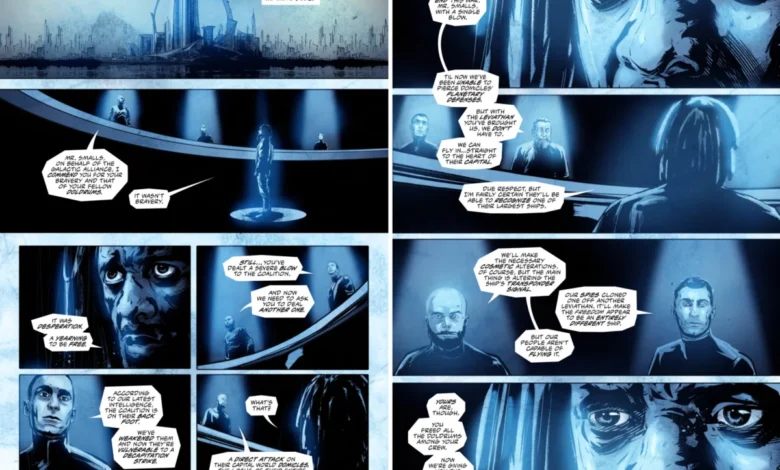
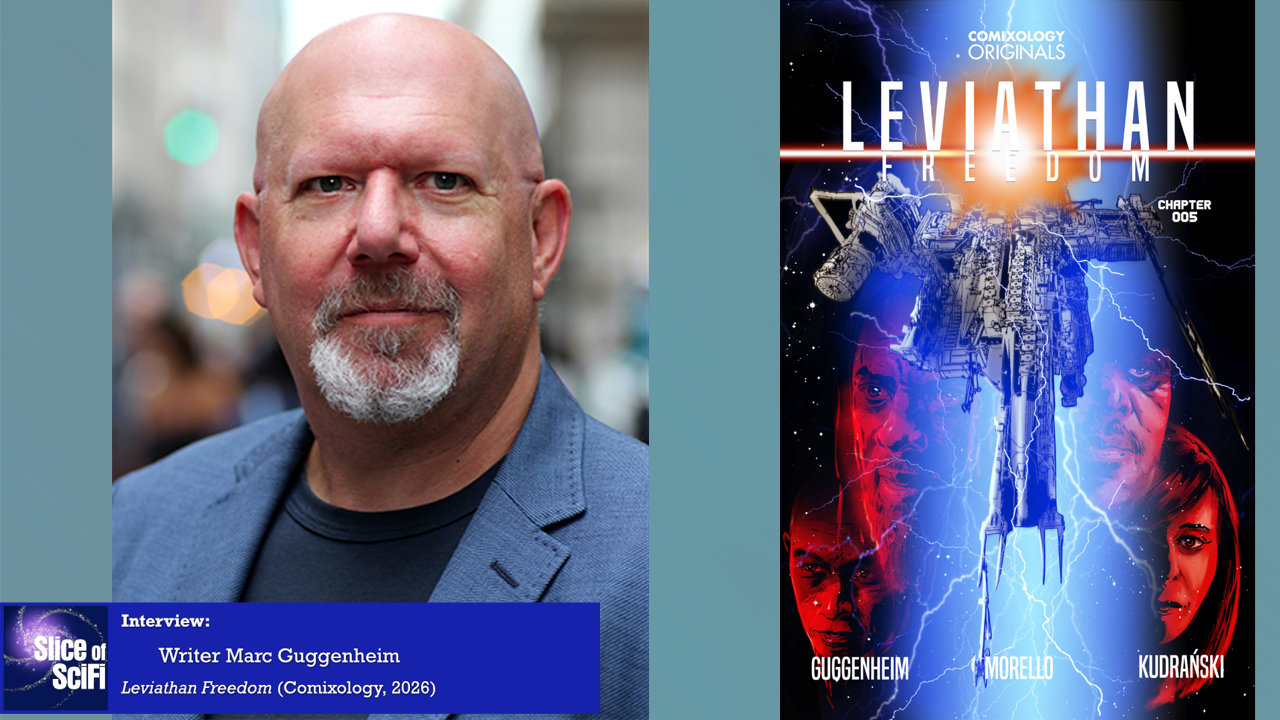
The intersection of historical non-fiction and science fiction offers a unique storytelling lens, transforming real-world heroism into grand, speculative mythos. In a recent extensive discussion on the Slice of SciFi podcast, acclaimed writer and producer Marc Guggenheim explored the creative framework behind his latest comic book project, Leviathan Freedom. Published through Comixology Originals as a five-issue limited series, the title is co-written by rock legend Tom Morello and illustrated by artist Szymon Kudranski. Rather than a conventional historical drama, Leviathan Freedom reimagines one of the most remarkable acts of daring and self-emancipation from the American Civil War as a sweeping, high-stakes space opera.
The publication of the final installment, Leviathan Freedom #5, marks the culmination of a narrative journey that translates the harrowing true-life exploits of Robert Smalls into an interstellar epic. By casting historical struggles into cosmic settings, Guggenheim and his creative team offer readers a fresh perspective on human resilience, oppression, and the universal quest for liberty.
Main Facts of the Project and Its Origins
At its core, Leviathan Freedom draws direct inspiration from the historical account of Robert Smalls, an enslaved man in South Carolina who executed a masterclass in tactical evasion and bravery during the Civil War. On May 13, 1862, Smalls commandeered the CSS Planter, a heavily armed Confederate side-wheel steamer, while docked in Charleston harbor. Under the cover of darkness and utilizing his deep knowledge of local Confederate signals, codes, and naval routes, Smalls navigated the vessel past heavily fortified Confederate checkpoints and into the waiting arms of the Union Navy’s blockading squadron. In doing so, he secured freedom not only for himself but also for his wife, his children, and several other enslaved passengers.
In translating this monumental historical event into the realm of science fiction, Guggenheim and Morello substitute terrestrial waterways for the vast expanses of outer space, replacing Confederate ironclads with interstellar dreadnoughts and planetary blockades. The creative approach maintains the integrity and emotional weight of the original history while elevating the narrative stakes through world-building elements inherent to the space opera genre. The resulting comic series bridges the gap between historical education and speculative entertainment, engaging audiences who might not otherwise gravitate toward traditional historical biographies.
Chronology and Historical Context
Understanding the gravity of Leviathan Freedom requires examining the timeline of Robert Smalls’ actual escape and its subsequent impact on the American Civil War. Smalls was born into slavery in Beaufort, South Carolina, in 1839. Over the years, he was hired out to work in Charleston, where he gained extensive maritime experience, eventually becoming a skilled wheelman and pilot familiar with the intricate waters of the South Carolina coast.
By the spring of 1862, the American Civil War had been raging for a year. Charleston was a primary stronghold for the Confederacy, tightly controlled by military authorities. The CSS Planter served as a transport ship used to deliver ammunition and guns while surveying harbor defenses. Recognizing an opportunity amidst escalating tensions, Smalls and a core group of enslaved crew members formulated a clandestine plan.
On the night of May 12, the white captain and officers of the Planter left the ship to sleep ashore, a routine practice. Smalls seized the moment. In the early hours of May 13, Smalls donned the captain’s straw hat and mimicked his distinctive walk to avoid raising suspicion from sentries. He then brought his family and other freedom seekers aboard at a pre-arranged rendezvous point.
The ship quietly slipped out of its dock, passing Fort Johnson and the formidable Fort Sumter. Smalls displayed the correct signal flags at checkpoints, effectively deceiving Confederate observers until the Planter was safely beyond the range of enemy guns. Approaching the Union naval blockade, Smalls hoisted a white bedsheet as a flag of truce to prevent the Federal ships from opening fire.
This historic maneuver not only altered the trajectory of Smalls’ life—leading to his service as a captain in the Union Navy and later his election to the United States House of Representatives during the Reconstruction era—but also provided the Union with vital intelligence regarding Confederate defensive positions in Charleston harbor.
Supporting Data and Creative Execution
The comic book adaptation mirrors this intricate web of planning, tension, and execution through the visual and narrative language of modern science fiction. Szymon Kudranski’s artwork utilizes stark contrasts, detailed panel layouts, and expansive cosmic vistas to evoke the claustrophobia of oppression and the boundless promise of liberation. The physical design of the ships within the series pays homage to nineteenth-century naval architecture while integrating futuristic propulsion and defense systems, a stylistic choice that has already generated enthusiasm among collectors and design aficionados.
The collaboration between Marc Guggenheim and Tom Morello brings a distinct sensibility to the project. Morello, widely known as the guitarist for Rage Against the Machine and Audioslave, has long used his platform to highlight social justice, labor rights, and historical struggles against tyranny. His involvement in shaping the narrative of Leviathan Freedom ensures that the thematic underpinnings of resistance and human dignity remain central to the science fiction allegory. Guggenheim, whose extensive resume includes notable television and comic book writing credits, provides structural pacing and character depth that anchor the high-concept world-building.
Official Responses and Industry Reception
While the creative team has not issued formal corporate press statements outside of promotional interviews and podcast appearances, the reception within the speculative fiction and comic book communities has been favorable. Industry analysts note that titles like Leviathan Freedom reflect a growing appetite for stories that utilize speculative fiction genres to re-examine historical narratives. By moving away from conventional superhero tropes or standard historical fiction, creators are finding new avenues to engage modern readers with foundational human struggles.
Critics and reviewers have praised the series for avoiding heavy-handed didacticism, allowing the inherent drama of the escape narrative to drive the pacing. The blending of historical parallels with futuristic technology has been cited as a successful exercise in thematic world-building, proving that foundational human narratives can transcend temporal and spatial settings without losing their core message.
Broader Impact and Implications
The release of Leviathan Freedom #5 by Comixology Originals signifies a broader trend in digital and print publishing: the democratization of historical narratives through genre fiction. By framing the struggle of Robert Smalls as a space opera, the creators invite a wider demographic of readers—particularly younger audiences and fans of science fiction—to explore real-world history through an accessible and engaging medium.
Furthermore, this adaptation highlights the vast, underutilized reservoir of historical events that defy conventional storytelling boundaries. Figures like Robert Smalls led lives filled with high-stakes adventure, tactical brilliance, and profound moral courage that rival any fictional protagonist conceived in modern entertainment. As creators continue to experiment with historical science fiction, projects like Leviathan Freedom demonstrate that the past is not merely a static record of dates and names, but a dynamic source of inspiration for speculative storytelling.
The complete five-book series of Leviathan Freedom is currently available through digital platforms like Amazon and Comixology, providing readers with full access to the complete narrative arc. As discussions surrounding the intersection of history and speculative fiction continue to grow, projects of this nature pave the way for more innovative explorations of real-world heroism within futuristic landscapes.
Related posts: