The international expansion of Japanese media franchises has entered a new phase as Toei Company targets global markets with its foundational tokusatsu property, Kamen Rider. Marking its 55th anniversary, the insect-inspired superhero franchise is seeing unprecedented momentum overseas, supported by strategic programming shifts, newly announced production banners, and an expanding footprint at major North American fan conventions.
For decades, the property maintained a massive domestic following in Japan while struggling to achieve mainstream penetration in Western markets. However, recent developments at events such as L.A. Comic Con and the Taiwan Creative Content Fest indicate a strategic pivot by Toei. By introducing accessible entry points for international audiences and leveraging contemporary media trends, the studio aims to establish Kamen Rider as a globally recognized intellectual property akin to contemporary superhero giants.
Historical Context and Past International Adaptation Efforts
The Kamen Rider franchise began on April 3, 1971, with the broadcast of the original series created by Shotaro Ishinomori. The narrative premise traditionally centers on a protagonist transformed into a cyborg or augmented hybrid by an antagonistic organization—most notably the terrorist syndicate Shocker. Utilizing their newfound abilities, the hero rebels against their creators, championing humanity while maintaining iconic motifs: an insect-inspired helmet design, a high-performance motorcycle, and the signature finishing attack known as the "Rider Kick."
Despite the massive success of the Super Sentai franchise in North America—which was localized as Mighty Morphin Power Rangers in 1993—adaptations of Kamen Rider faced significant commercial and logistical hurdles. In 1995, Saban Entertainment produced Masked Rider, an adaptation of Kamen Rider Black RX. Airing on the Fox broadcasting network, the series altered major plot points and tone to appeal to American children, ultimately failing to capture the cultural resonance of Power Rangers and canceling after two seasons.
A subsequent attempt arrived in 2008 with Kamen Rider Dragon Knight, an adaptation of Kamen Rider Ryuki that aired on The CW. While praised by tokusatsu enthusiasts for its production values and closer adherence to the source material’s mature tone, the series suffered from inconsistent scheduling and inadequate marketing, resulting in low viewership and an abrupt cancellation before the final episodes aired on television. These historical missteps convinced studio executives that localized adaptations heavily diluted the brand’s core appeal, leading to a decades-long reliance on domestic distribution supplemented by niche, fan-driven sublicensing.
Strategic Shifts and New Global Initiatives
Toei Company’s current strategy abandons heavy-handed Western localization in favor of direct global distribution of authentic content. During the Taiwan Creative Content Fest, Toei President and CEO Yoshimura Fumio announced two major global initiatives designed to capture international audiences without altering the fundamental identity of the franchise.
The first initiative, titled "Kamen Rider Animation," establishes a dedicated label for anime productions derived from or inspired by the Kamen Rider universe. By utilizing the medium of animation, Toei intends to bypass the budget and distribution constraints of live-action tokusatsu while tapping into the massive global popularity of contemporary anime imports. The second initiative, "Kamen Rider Premium," focuses on the production of standalone feature films that exist outside the continuity of ongoing television series. This structure addresses a primary barrier to entry for new viewers: the perception that long-running franchises require extensive foundational knowledge—often referred to by modern audiences as "homework"—to enjoy a single cinematic installment.
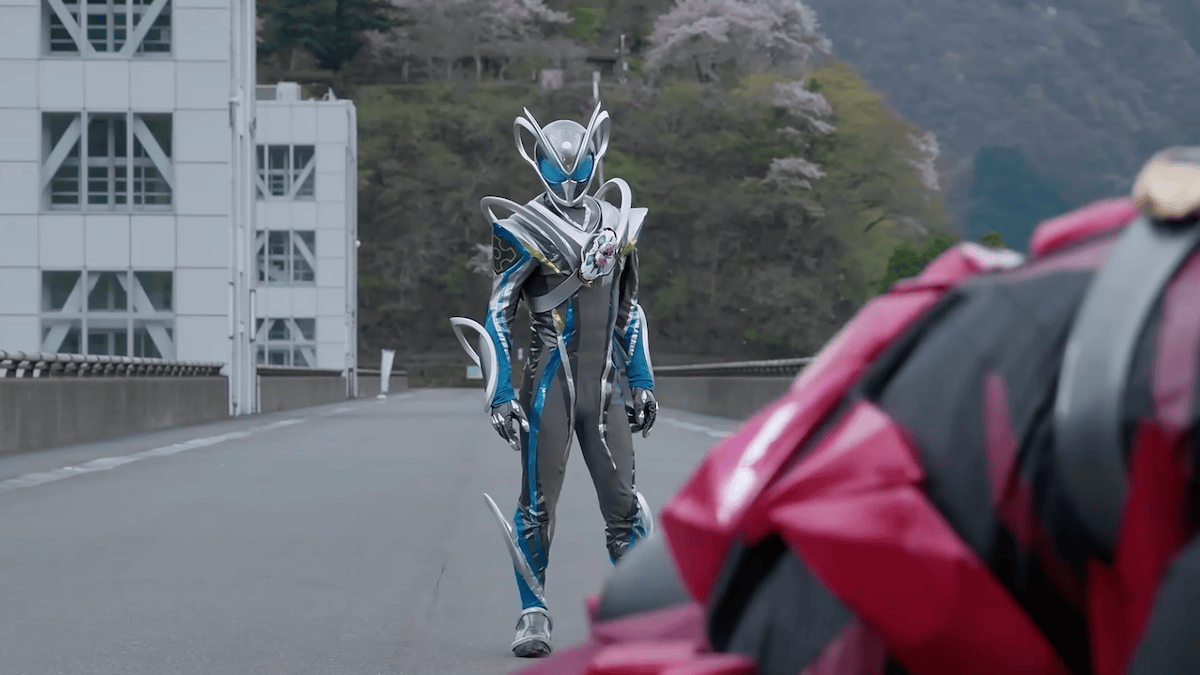
In tandem with these labels, Toei has implemented simultaneous digital broadcasts of current television series for overseas territories, bridging the time gap between Japanese broadcasts and international availability. Furthermore, high-profile collaborative projects, such as an upcoming crossover featuring Kamen Rider Zero-One and DC Comics’ Batman, signal a willingness to engage in high-profile cross-promotional strategies with major American media conglomerates.
Convention Presence and Fan Engagement
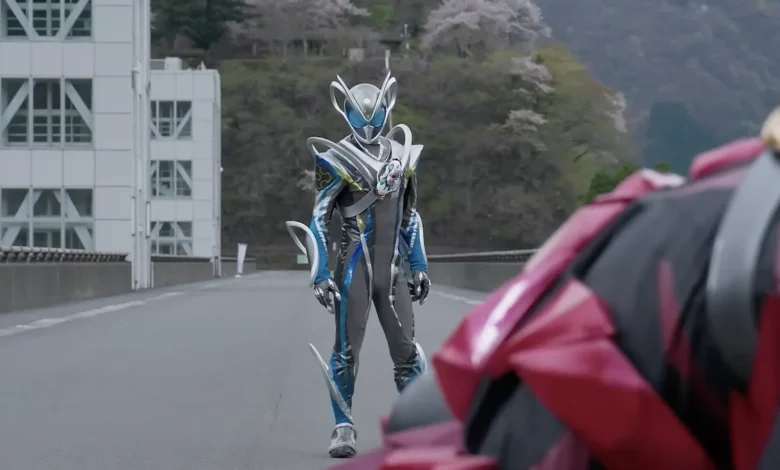
The tangible impact of these shifts was visible during the recent L.A. Comic Con event over the Halloween weekend. The convention featured an official Toei-sponsored Kamen Rider booth offering collector figures and replica "Rider Belts," alongside live stunt performances featuring characters from recent iterations, including Kamen Rider MY-TH and Kamen Rider ZEZTZ.
A dedicated anniversary panel brought directors and writers directly from Japan to discuss the history and future of the property. Additionally, a packed theatrical screening of Agito: Psychic War—celebrating the 25th anniversary of Kamen Rider Agito—demonstrated sustained enthusiasm among North American attendees. The strong turnout and positive audience reception highlight a demographic shift: contemporary fans are increasingly receptive to untranslated, authentic Japanese media rather than heavily modified domestic adaptations.
Industry Implications and Technological Considerations
While the expansion initiatives have been largely welcomed by the international fandom, Toei’s broader corporate strategy has introduced points of discussion within the entertainment industry. Recent disclosures regarding Toei’s integration of generative artificial intelligence in upcoming film and video production slates have raised concerns among creators and consumers alike.
Tokusatsu production has historically relied on tangible, practical effects, including suitmation, miniature model destruction, and physical stunt work. Critics and industry analysts note that the introduction of generative AI tools could conflict with the artisanal reputation of practical tokusatsu craftsmanship. Because the Kamen Rider narrative frequently explores the ethical dilemmas and double-edged nature of advanced technology, observers emphasize that Toei must navigate these production tools carefully to avoid alienating a fanbase that values traditional filmmaking techniques.
Market Outlook and Future Prospects
The convergence of global anime consumption, accessible standalone cinematic releases, and simultaneous international streaming places Toei in a favorable position to achieve its long-term global ambitions. By treating the international market as a primary audience rather than an afterthought, the studio is capitalizing on a maturing demographic of genre fans who demand authenticity.
As the Kamen Rider franchise progresses through its 55th year, the commercial viability of "Kamen Rider Animation" and "Kamen Rider Premium" will serve as a bellwether for how traditional Japanese tokusatsu properties can successfully transition into worldwide mainstream entertainment. With structured entry points, reduced narrative barriers, and strong convention visibility, the insect-inspired superhero franchise appears poised to capture a permanent foothold in the global pop-cultural landscape.