Rockstar Games intensifies the marketing campaign for Grand Theft Auto 6 with an unconventional feature in Love magazine

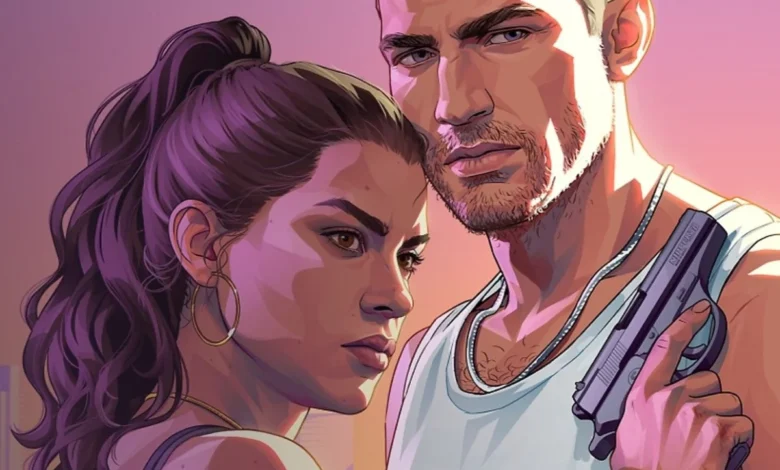
The promotional trajectory for Rockstar Games’ highly anticipated title, Grand Theft Auto 6, has taken a stylistic detour into the world of high fashion. In a departure from traditional gaming press cycles, the studio has collaborated with Love, a prestigious biannual fashion magazine, to provide a rare glimpse into the narrative architecture and thematic ambitions of the next installment in the billion-dollar franchise. This strategic move suggests an attempt to expand the game’s cultural footprint beyond the traditional gaming demographic, positioning GTA 6 as a broader commentary on contemporary life.
The Evolution of the Satirical Lens
The Grand Theft Auto series has long been defined by its acerbic, satirical take on American culture. From the exaggerated consumerism of Vice City to the invasive social media critique in GTA 5, Rockstar has historically utilized its open worlds to hold a mirror up to society. However, as the pace of real-world events accelerates and the lines between reality and parody blur, the developers face an unprecedented challenge: how to satirize a world that often feels like a parody of itself.
According to senior leadership at Rockstar, the goal for GTA 6 is not merely to reflect modern society, but to amplify it to a grotesque, larger-than-life degree. Rupert Humphries, senior vice president of narrative at Rockstar, emphasized that the team’s objective is to move beyond passive observation. "If you are going to put all this effort into creating a version of today’s world, it has to be more over the top, more insane, more in your face," Humphries stated. "Otherwise, you could just go outside and live in the real world."
This approach manifests in the granular details of the game world. Players can expect an environment saturated with the noise of modern existence, from AI-generated political campaign robocalls to a relentless barrage of digital media. The design philosophy is rooted in sensory immersion; the developers aim to ensure that the city feels alive, with a cacophony of overlapping conversations that shift and refocus based on the player’s proximity and attention. James Horton, the writing director for the open world, describes this as a deliberate narrative texture: "It needs to wash over you when you’re sprinting down the busiest street in the city, hearing snatches of a hundred different conversations as you go."
Navigating the Balance Between Realism and Gameplay
A central tension in the development of massive open-world titles is the friction between hyper-realism and the fundamental need for "gamey" convenience. Rob Nelson, head of development and co-studio head at Rockstar North, noted that the team is constantly negotiating this trade-off. "Sometimes you need things to feel realistic to help with immersion, and conversely, sometimes you need to forego realism in favour of what’s convenient for the player," Nelson explained.
This design strategy suggests that while GTA 6 will feature a highly detailed, simulated environment, Rockstar remains committed to maintaining the arcade-like flow that has defined the series since its inception. By prioritizing the player experience over rigid simulation, the studio intends to maintain the pacing required for an action-oriented narrative.
Lucia and Jason: A New Narrative Dynamic
The Love magazine feature also shed light on the development of the game’s two primary protagonists, Lucia and Jason. Notably, Lucia represents a significant milestone for the franchise as the first fully voiced female protagonist in a mainline Grand Theft Auto title. The narrative team has expressed a desire to craft characters that possess emotional depth, moving away from the archetypal caricatures of previous entries.
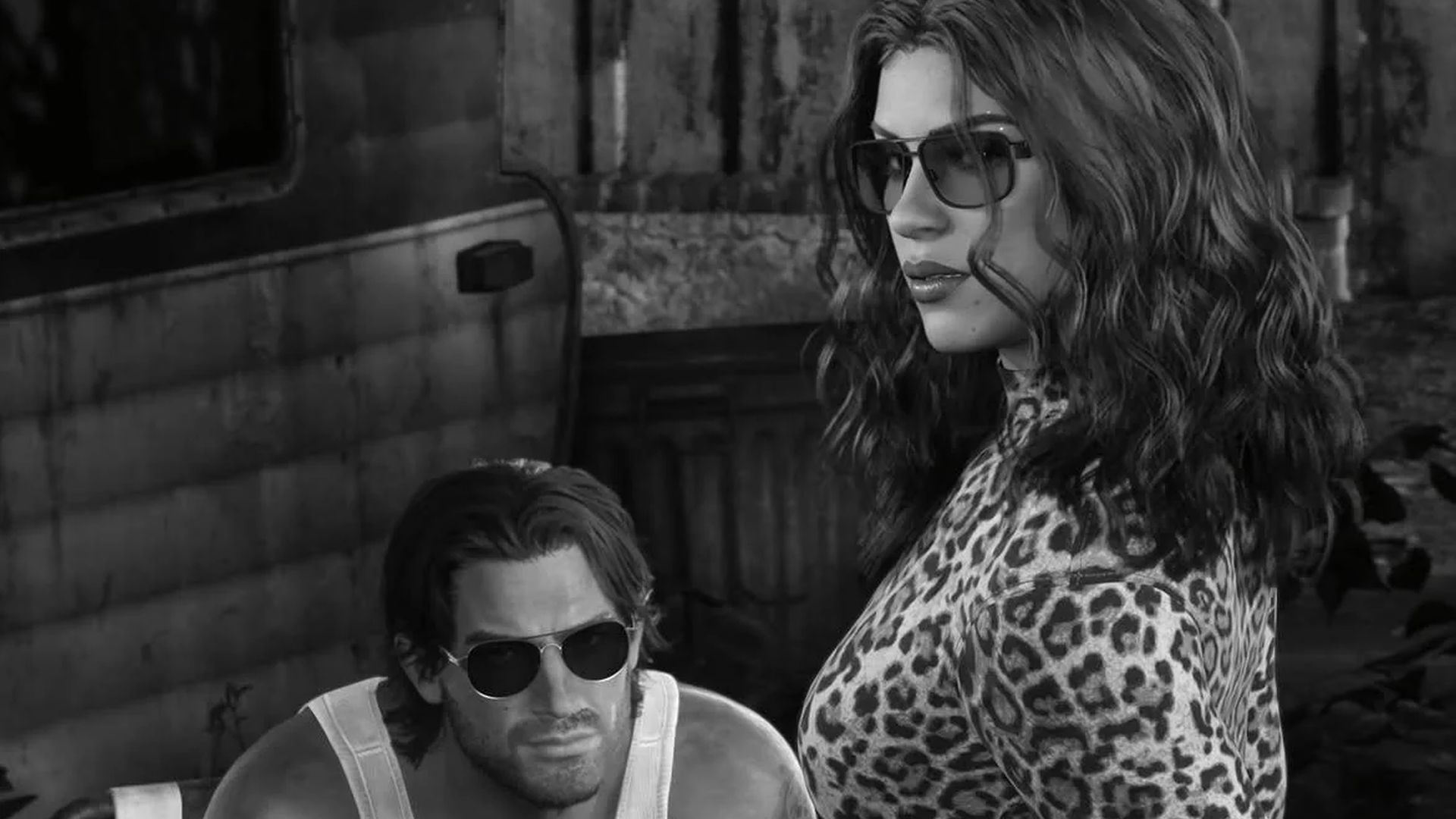
Elizabeth Gauvey-Kern, a game writer on the project, highlighted the collaborative nature of the duo. "We wanted both protagonists to be vulnerable, tough, flawed, right sometimes, wrong sometimes, able to learn from each other," she said. "That’s what we felt made them authentic, and a great team." This focus on interpersonal dynamics is supported by writer Alexa D’Agostino, who noted that the objective was to create "perfectly imperfect" characters who exhibit both clichéd traits and undeniably human flaws.
Context and Industry Impact
The scale of GTA 6 cannot be overstated. Since the release of Grand Theft Auto 5 in 2013—which has since sold over 200 million units globally—the industry has undergone a seismic shift. GTA 5 stands as the most profitable entertainment product in history, creating immense pressure for its successor.
The decision to utilize non-traditional media channels like Love magazine is a calculated effort to manage expectations and control the narrative surrounding the game. By reaching out to a fashion-forward, lifestyle-focused audience, Rockstar is reinforcing the idea that GTA 6 is not just a video game, but a cultural event. This follows a broader trend of major AAA developers seeking to transcend their industry roots to reach a wider, mainstream audience.
The Challenge of Satirizing the "Weird"
Industry analysts have frequently discussed the difficulty of satirizing the modern era. The voices of previous Rockstar actors, including Ned Luke (Michael De Santa in GTA 5), have publicly mused on the challenges of making an impact in a world where reality frequently defies logic. The rapid pace of political polarization, technological disruption, and social media trends makes the task of parody inherently precarious.
Rockstar’s response to this challenge is a doubling-down on the "grotesque." By making the game world larger, more absurd, and more intense than the reality it mimics, the studio hopes to retain the franchise’s satirical edge. The implication is that if the game is not sufficiently "insane," it risks appearing dated or out of touch upon arrival.
Chronology of the GTA 6 Marketing Cycle
- February 2022: Rockstar Games officially confirms that development for the next entry in the series is "well underway."
- September 2022: A significant leak occurs, resulting in the unauthorized release of early development footage and source code, providing the public with its first look at the Vice City setting and the dual protagonists.
- December 2023: Rockstar releases the official debut trailer, confirming the title as Grand Theft Auto 6 and setting a broad release window for 2025.
- Mid-2024: The marketing campaign expands into lifestyle and high-fashion media, signaling a shift toward a broader cultural reach.
Future Implications
As the 2025 release window approaches, the focus will likely shift from the narrative philosophy of the game to the technical performance and the scope of its online component. The statements from the narrative team suggest that the game’s core identity will remain firmly rooted in the series’ DNA—satire, violence, and scale—while attempting to elevate the quality of its character-driven storytelling.
Whether this shift in marketing and narrative focus will resonate with the established fanbase remains to be seen. However, the move into Love magazine demonstrates a confident, perhaps even audacious, studio that is eager to redefine the parameters of what a Grand Theft Auto game can represent. As Rockstar continues to peel back the curtain on this iteration of the series, the industry will be watching to see if the final product can successfully navigate the thin line between being a reflection of a chaotic world and an escape from it. The goal, ultimately, is to create a digital landscape that feels familiar enough to be recognizable, but absurd enough to be entertaining—a task that, in the current climate, may prove to be the most ambitious feat of the game’s development cycle.