What We’ve Been Playing: Revisiting Classics Bird-Watching Adventures and Marvel’s Newest Beta


The gaming landscape in late July reflects a diverse blend of nostalgic returns to massive open worlds, the quiet charm of indie "cozy" titles, and the high-stakes testing phases of upcoming competitive blockbusters. As the industry moves through the traditional summer lull, players are increasingly finding themselves oscillating between the "forever games" of the past decade and experimental new entries that prioritize niche interests like digital ornithology or superhero-themed combat. This week’s gaming highlights underscore a broader industry trend: the tension between immersive, simulation-heavy environments and the "gamified" efficiency of modern user interfaces.
The Persistence of the Peloponnesian War: Assassin’s Creed Odyssey in Retrospect
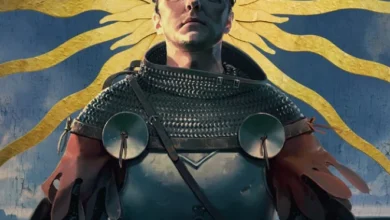
Released in 2018, Assassin’s Creed Odyssey represented a pivotal moment for Ubisoft. Developed by Ubisoft Quebec, it was the first entry in the long-running franchise to fully embrace the mechanics of an Action Role-Playing Game (ARPG), moving away from the stealth-action roots of the series. Six years later, the title remains a point of contention and admiration for the gaming community.
Recent player experiences on the PlayStation 5 suggest that while the game’s 60 frames-per-second (FPS) patch—released in August 2021—significantly improves the fluidity of combat and traversal, other elements of the production have not aged with the same grace. Critics and players alike have noted that the character models, while impressive for their time, now bear the "plastic" sheen of the mid-eighth console generation when compared to contemporary titles like Horizon Forbidden West or Cyberpunk 2077.
More significant than the visual fidelity is the critique of the game’s "arcade-like" user interface. Odyssey was designed during a period when Ubisoft prioritized "player engagement" through a densely populated map and constant UI notifications. This design philosophy, often referred to as "the Ubisoft formula," creates a layer of abstraction between the player and the world. Every discovery is preceded by an icon; every quest is managed by a compass marker. This stands in stark contrast to The Witcher 3: Wild Hunt (2015), which many argue maintains a superior sense of immersion by integrating its narrative and world-building more organically, despite being three years older than Odyssey.
However, the game’s protagonist, Kassandra, continues to receive praise for her character design and performance. In an industry often criticized for homogenized female character models, Kassandra was a departure—a muscular, battle-scarred mercenary whose physique realistically reflected her profession as a misthios. Data from Ubisoft originally suggested that a majority of players chose her male counterpart, Alexios, but Kassandra has since been solidified as the "canon" lead in subsequent lore and media, marking a significant step in the franchise’s approach to representation.
The Rise of the Digital Naturalist: Flock Around and the Cozy Game Economy
While massive AAA titles dominate the headlines, a significant shift has occurred in the PC gaming market toward "low-stakes" or "cozy" experiences. Flock Around, a cooperative bird-watching simulator, exemplifies this trend. The game tasks players with a singular objective: identify and photograph avian life across various biomes.
The success of such titles can be attributed to the "dopamine loop" of collection and completionism, stripped of the violent stressors found in traditional gaming. Flock Around utilizes a three-star rating system for photography, a mechanic popularized by New Pokémon Snap, which encourages players to observe animal behavior and timing rather than just reflexes. The inclusion of "shiny" variants—a term borrowed from the Pokémon lexicon to describe rare, alternatively colored creatures—adds a layer of RNG (random number generation) excitement that keeps players engaged for hours.
Industry analysts suggest that the growth of the cozy gaming sector—valued at millions of dollars on platforms like Steam—is a direct response to "gaming fatigue." As major releases become more demanding of a player’s time and emotional investment, titles like Flock Around provide a meditative alternative. The game’s simplistic art style and low price point lower the barrier to entry, making it an attractive option for social gaming during weekend sessions.
Mobile Longevity: Pokémon GO and the Event-Driven Economy
The enduring popularity of Pokémon GO remains one of the most remarkable stories in mobile gaming. Now approaching a decade since its 2016 launch, Niantic’s augmented reality (AR) titan continues to drive massive player engagement through its "GO Fest" events.
Recent data from July 2024 indicates that Pokémon GO still commands a monthly active user base in the tens of millions. The recent "GO Fest 2024" (and looking forward to future iterations) has mastered the art of the "re-engagement hook." By introducing rare "shiny" legendary Pokémon like Kyogre and event-exclusive variants of Pikachu, Niantic ensures that even lapsed players return to the fold.
The social aspect of the game—specifically Gym Battles and local Raids—continues to be its strongest retention tool. Despite the controversy surrounding changes to "Remote Raid Passes" in 2023, which increased prices and limited daily participation, the core community remains robust. The game has evolved from a simple collection tool into a lifestyle app that integrates physical movement with social interaction, often centering around local landmarks and, as noted by many players, local pubs and social hubs.

Testing the Hero Shooter Frontier: Marvel Tokon: Fighting Souls
The competitive gaming scene is currently focused on the beta testing of Marvel Tokon: Fighting Souls. This hero shooter, which features a roster of iconic Marvel characters, enters a crowded market currently dominated by Overwatch 2 and Valorant. However, early impressions suggest that the game’s unique verticality and character-specific mechanics may carve out a dedicated niche.
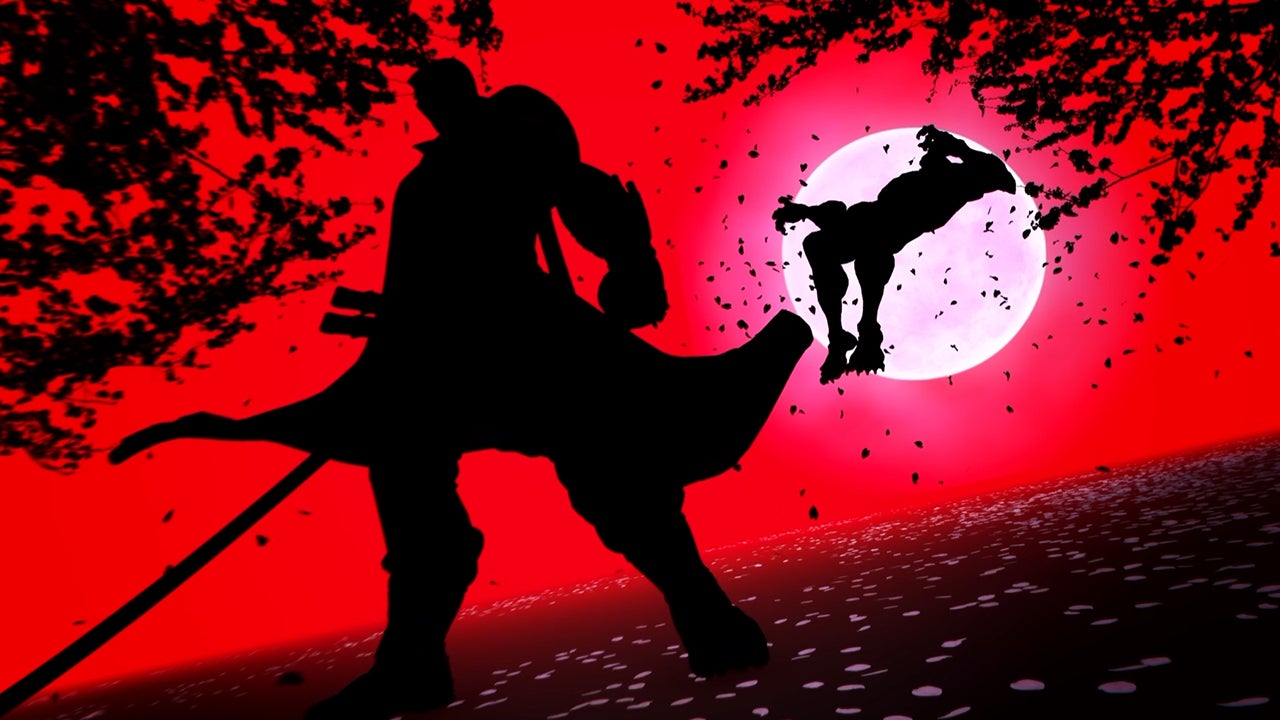
A standout character in the current beta is Magik (Illyana Rasputin). Unlike traditional shooters where combat is primarily hitscan or projectile-based, Magik utilizes a complex kit of teleportation portals and a hybrid of melee and ranged tools. This "tricky" playstyle is indicative of the game’s broader design philosophy: leveraging the specific, often reality-bending powers of the Marvel roster to create gameplay scenarios that are impossible in more grounded shooters.
The character Blade has also been highlighted for his "ultimate" ability, which has become a focal point of marketing materials and player discussion. The integration of high-fidelity animations with fast-paced tactical combat suggests that Marvel Tokon is aiming for a "spectacle shooter" vibe, prioritizing the feeling of "being a superhero" as much as the competitive balance.
Infrastructure Vulnerabilities: The Impact of PlayStation Network Downtime
The excitement surrounding the Marvel Tokon beta was recently tempered by significant outages within the PlayStation Network (PSN). On July 25th, users worldwide reported widespread connectivity issues, preventing access to training modes, online matchmaking, and digital storefronts.
This incident highlights a growing concern in the modern gaming era: the fragility of "always-online" ecosystems. For many players, a PSN outage does not just mean an inability to play multiplayer games; it often locks them out of single-player content that requires a server check, or prevents the launching of digital-only titles.
Chronology of Recent PSN Stability Issues:

- 09:00 AM: Initial reports of "Sign-in" errors on PS5 and PS4 consoles.
- 10:30 AM: Sony’s Network Service Status page updates to reflect issues with "Gaming and Social" services.
- 12:00 PM: Peak outage reports as users in European and North American time zones attempt to log in during lunch breaks.
- 03:00 PM: Gradual restoration of services in select regions, though "Account Management" remains sluggish.
The frustration expressed by the community underscores the high stakes for Sony. With the rise of digital-only console editions (like the PS5 Digital Edition), the PlayStation Network is no longer just a service—it is the essential infrastructure for the entire platform. When the network fails, the hardware becomes effectively inert for a significant portion of the user base.
Broader Impact and Industry Implications
The current state of play reveals a gaming audience that is increasingly eclectic. The coexistence of a 100-hour Greek odyssey, a quiet bird-watching sim, and a frantic Marvel hero shooter suggests that the "average gamer" no longer exists as a monolith. Instead, players are curating "gaming portfolios" that balance high-intensity competition with low-intensity relaxation.
For developers, the takeaway is clear: longevity is found in distinctiveness. Assassin’s Creed Odyssey survives through its sheer scale and the charisma of its lead; Flock Around survives by offering a specific, stress-free fantasy; and Marvel Tokon seeks to survive by translating decades of comic book lore into a modern mechanical framework. As the industry moves toward the final quarter of the year, the stability of online infrastructure and the ability to provide meaningful updates to these diverse experiences will determine which titles remain on players’ hard drives and which are relegated to the "archive."
Related posts: