Paramount Settles Antitrust Suit Paving Way To Finalize Warner Bros Deal and Other Star Trek Universe Developments

The landscape of the media industry underwent a significant shift this week as Paramount reached a definitive settlement regarding the long-standing antitrust suit that had stalled its proposed merger with Warner Bros. This legal resolution removes the primary regulatory hurdle, clearing a path for the two media giants to finalize an integration that has been the subject of industry speculation for months. For the expansive Star Trek franchise, this consolidation raises critical questions regarding intellectual property stewardship, production pipelines, and the future of ongoing series within the Paramount+ ecosystem.
The Legal Framework of the Paramount-Warner Bros Merger
The antitrust suit, which centered on concerns regarding market competition and the concentration of broadcast and streaming assets, had effectively frozen strategic planning for both entities. By reaching this settlement, Paramount has agreed to specific stipulations that likely include divestitures or licensing commitments designed to maintain a competitive environment in the streaming and content distribution sectors.
From an industry perspective, the merger represents a defensive strategy against the dominance of tech-integrated platforms like Amazon, Apple, and Netflix. By combining Paramount’s deep library of legacy intellectual property—most notably the Star Trek franchise—with Warner Bros.’ global production infrastructure and distribution network, the new entity aims to create a more robust vertical integration model. Analysts suggest that this move is indicative of a broader trend of consolidation in the entertainment sector, where mid-sized studios are finding it increasingly difficult to sustain the capital expenditure required for high-budget, tentpole franchise production.
Star Trek: Strange New Worlds and the Creative Horizon
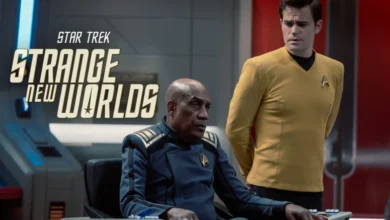
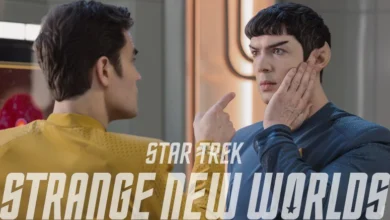
The recent conclusion of the fourth season of Star Trek: Strange New Worlds has served as a focal point for the current state of the franchise. The finale, titled "Tomorrow’s Enterprise," has received critical acclaim, particularly for the performance of Celia Rose Gooding. Gooding, who portrays Nyota Uhura, was tasked with the complex challenge of playing two distinct versions of the character, a feat that highlighted the narrative ambition of the show’s current creative team.
The production of this season was marked by efforts to bridge the gap between the modern iteration of the franchise and its 1960s origins. Recent disclosures have revealed that the production team behind Strange New Worlds engaged in high-level discussions to bring William Shatner back to the role of Captain James T. Kirk. The plan involved a narrative integration that would have served as a sequel to a classic The Original Series (TOS) episode. While those negotiations did not come to fruition, the attempt underscores a recurring industry interest in "legacy casting," a strategy that has proven successful for other major franchises like Star Wars and the Marvel Cinematic Universe.
The Legacy of the Original Series and Cultural Evolution
While the franchise looks toward the future, it continues to grapple with the loss of foundational figures. The recent passing of Leslie Parrish at age 90 has served as a poignant reminder of the original series’ reach. Parrish, a versatile performer known for her roles in Li’l Abner and The Manchurian Candidate, left an indelible mark on the science fiction genre through her guest appearances on Star Trek. Her contribution to the series is often cited by historians as a primary example of how the show utilized high-caliber character actors to elevate science fiction beyond its mid-century pulp roots.
Concurrent with these developments, William Shatner has remained a highly visible, albeit unconventional, cultural figure. His recent foray into heavy metal music, highlighted in a Billboard interview regarding his interpretation of Metallica’s "Enter Sandman," illustrates the enduring, if eccentric, public fascination with the actor. His ability to transition between the gravity of his Trek legacy and modern pop-culture subversions remains a unique phenomenon in celebrity management.
Strategic Implications for the TrekMovie Network
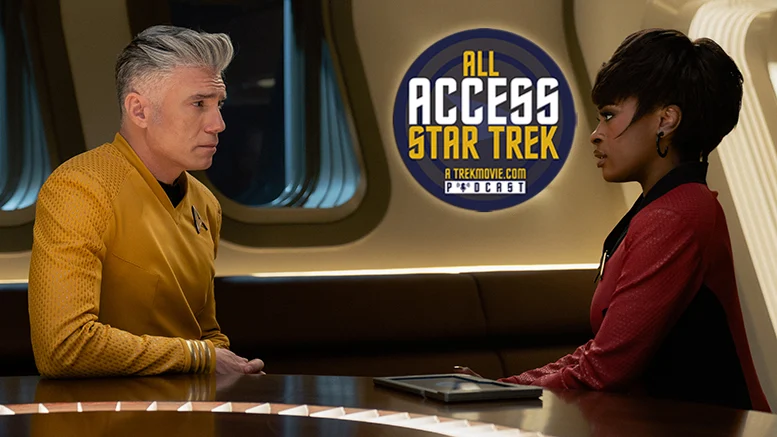
The business of reporting on these developments has evolved as well. The TrekMovie Podcast Network, which encompasses the All Access Star Trek and The Shuttle Pod programs, has recently integrated its operations to streamline coverage of the franchise. This consolidation of media outlets reflects a broader shift in how niche fan bases consume information. As Paramount undergoes its corporate transition, these platforms have become vital conduits for tracking production updates, analyzing episode narratives, and providing context for the rapidly changing corporate structure behind the scenes.
Chronology of Recent Developments
- September 21, 2026: Paramount officially reaches a settlement in the antitrust suit, allowing the Warner Bros. merger to move toward the finalization phase.
- September 22, 2026: IDW Publishing releases a preview of its new flagship Star Trek comic, featuring Captain Seven of Nine commanding the U.S.S. Enterprise-G.
- September 22, 2026: The release of Star Trek Online: Rediscovered marks a milestone for digital gaming within the franchise, introducing interactive elements involving three distinct versions of the character Spock.
- September 23, 2026: Exclusive reports confirm that the Strange New Worlds production team made a concerted, though ultimately unsuccessful, effort to secure William Shatner for a legacy role.
- September 24, 2026: The fourth season finale of Strange New Worlds premieres, cementing the season’s reputation for high-concept storytelling.
Market Analysis and Broader Industry Impact
The merger’s impact on Star Trek will likely manifest in three key areas: budgetary allocation, distribution strategy, and intellectual property utilization. With the combined resources of Warner Bros. and Paramount, the franchise may see an increase in the number of concurrent projects, or alternatively, a more focused approach that prioritizes high-yield streaming content over theatrical releases.
Furthermore, the integration of gaming and comics into the core brand narrative—as evidenced by the success of Star Trek Online and the ongoing IDW comic series—suggests that the future of the franchise will not be limited to episodic television. The ability to coordinate these disparate platforms under a single corporate umbrella is one of the primary drivers of the merger. By managing a unified "Trek Universe" across film, television, gaming, and publishing, the new conglomerate hopes to capture a more diverse demographic and sustain audience engagement during the inevitable gaps between television seasons.
Official Responses and Future Outlook
While no formal statement has been issued by the newly formed entity regarding the specific roadmap for the Star Trek franchise, stakeholders are optimistic about the potential for increased production stability. The settlement of the antitrust suit acts as a green light for internal restructuring, which is expected to occur over the next 12 to 18 months.
For fans and observers, the focus now shifts to the creative direction under the new corporate ownership. With the Strange New Worlds production team having demonstrated a willingness to explore complex temporal narratives and the return of legacy elements, the creative foundation remains strong. The forthcoming in-depth interview with Strange New Worlds director and producer Chris Fisher, scheduled for later this week, is expected to provide further clarity on how the production team intends to navigate the transition period and what audiences can expect for the fifth season and beyond.
Ultimately, the confluence of corporate consolidation, the maturation of digital franchise components, and the ongoing efforts to honor the legacy of the original cast members paints a picture of a franchise in a state of deliberate evolution. Whether the merger will result in the intended expansion of the Star Trek universe or lead to a tightening of creative output remains to be seen, but the resolution of the legal barriers marks the beginning of a definitive new chapter in the history of one of television’s most enduring properties.