The Batman: Part II Release Date Shifted Amidst Warner Bros. Acquisition Uncertainty

New Release Date Set for February 28, 2028, as Production Continues in the UK
Gotham City, UK – The highly anticipated sequel to Matt Reeves’ critically acclaimed 2022 film, The Batman, has experienced a significant shift in its release schedule. The Batman: Part II, currently in production in the United Kingdom, is now slated for a February 28, 2028, debut. While this represents a notable delay, sources indicate the postponement is not directly tied to production challenges or creative decisions within the film itself. Instead, the revised release date appears to be a consequence of the ongoing, complex acquisition process involving Warner Bros. Discovery and a potential merger with Paramount Global.
The news of the delay was initially reported by Deadline, which cited the pending regulatory hurdles and industry opposition surrounding the potential Warner Bros. Discovery acquisition. This complex corporate maneuvering, involving extensive red tape, industry concerns, and antitrust lawsuits, has cast a shadow over the timeline for finalizing the merger. Originally anticipated to be completed by the end of 2026, the uncertainty surrounding this significant business transaction has directly impacted the scheduling of major studio projects, including The Batman: Part II.
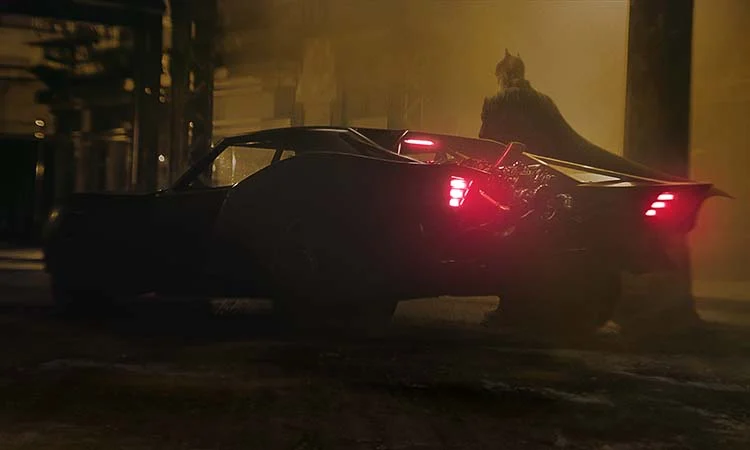
Director Matt Reeves took to social media platform X (formerly Twitter) to confirm the new release date. In a post that has since garnered significant attention from fans and industry observers, Reeves shared a new visual of Robert Pattinson’s Caped Crusader, offering a tantalizing glimpse into the film’s aesthetic. The image, presented as a camera test, depicts a stark, atmospheric portrayal of Gotham City, strongly suggesting a winter setting. This visual cue has further fueled speculation among fans regarding potential plot elements, with long-standing rumors of Mr. Freeze’s inclusion in the narrative gaining renewed traction. The inclusion of such a visually striking "treat" for fans, even amidst the news of a delay, underscores Reeves’ commitment to engaging with the fanbase.
A Glimpse into Gotham’s Wintery Future
The visual shared by Reeves, which appeared on X on July 15, 2026, offered a stark and atmospheric preview of Robert Pattinson’s Batman. The image, described as a camera test, showcased a Gotham City shrouded in what appears to be a wintry atmosphere, with snow or frost visibly impacting the urban landscape. This artistic choice is not merely aesthetic; it carries significant implications for the film’s narrative and thematic underpinnings.
Historical Context: Winter as a Narrative Device in Gotham
Gotham City, as depicted in various iterations of Batman lore, has often been portrayed as a city perpetually under a pall of darkness and decay. However, the introduction of a pronounced winter setting can serve multiple narrative purposes. Historically, snow and extreme cold have been used to:
- Amplify Isolation and Despair: A frozen Gotham can symbolize a city gripped by a profound sense of isolation, where the harsh elements mirror the emotional and psychological states of its inhabitants. This can heighten the sense of vulnerability for both citizens and the vigilante himself.
- Introduce Environmental Challenges: A winter setting presents unique logistical and tactical challenges for Batman. His usual methods of stealth and pursuit might be hampered by snowdrifts, icy surfaces, and reduced visibility. This could force him to adapt his strategies and utilize new gadgets or techniques.
- Enhance Visual Storytelling: The contrast between the stark white of snow and the dark, gothic architecture of Gotham can create striking visual compositions, adding to the film’s cinematic grandeur and brooding atmosphere.
- Hint at Specific Villains: As mentioned, the chilling implications of a winter setting are strongly associated with the character of Mr. Freeze. His cryogenic powers and motivations often revolve around themes of cold, survival, and a distorted sense of love and loss, all of which can be visually and thematically amplified by a frozen environment. The potential inclusion of Victor Fries, a brilliant but tragic cryogenics expert driven to villainy by a desperate attempt to save his terminally ill wife, Nora, would find a natural thematic home in a visually frigid Gotham.
The timing of this visual reveal, coinciding with the release date announcement, suggests a deliberate strategy to maintain audience engagement and anticipation. It allows fans to speculate and dissect the potential narrative threads, keeping the film in the public consciousness despite the extended wait.
The Corporate Undercurrents Driving the Delay
The acquisition of Warner Bros. Discovery by Paramount Global (or another entity, as the situation remains fluid) is a monumental event in the entertainment industry, with potential ramifications extending far beyond the release schedules of individual films. The initial reports from Deadline highlight the intricate web of challenges the proposed merger faces:
- Regulatory Scrutiny: Antitrust concerns are a primary obstacle. Governments, particularly in the United States, are increasingly scrutinizing large-scale corporate mergers to prevent the monopolization of industries and protect consumer interests. The involvement of the attorneys general from California, New York, and ten other states indicates a significant level of official concern.
- Industry Opposition: Competitors and industry stakeholders may voice concerns about the consolidation of power, potentially leading to reduced competition, fewer opportunities for independent creators, and a homogenization of content.
- Red Tape and Bureaucracy: The sheer volume of legal and administrative processes involved in such a complex transaction is substantial, leading to inevitable delays. This includes filings, reviews, and potential hearings.
- Financial and Strategic Realignments: Even if the merger is approved, the integration of two major studios involves significant financial restructuring, strategic planning, and the potential for asset sales or divestitures. This can create a period of internal flux that necessitates adjustments to long-term project timelines.
The impact of this corporate uncertainty on The Batman: Part II is a clear indicator of how intertwined the business of filmmaking is with the broader economic and regulatory landscape. Studios often adjust release dates to optimize box office performance, avoid direct competition, and align with marketing strategies. However, in this instance, the decision appears to be driven by a need to navigate external corporate complexities rather than internal production considerations.
A Strategic Holiday Release
The selection of the four-day Presidents Day Holiday weekend for The Batman: Part II‘s release is a strategic move that has historically proven successful for major tentpole films. This period, typically in mid-February, offers a prolonged holiday weekend, allowing for increased audience turnout. The article notes successful precedents such as:
- Black Panther (2018): Marvel Studios’ groundbreaking film, released on Presidents Day weekend, shattered box office records and became a cultural phenomenon.
- Ant-Man and the Wasp: Quantumania (2023): While its critical reception was mixed, its release on this holiday weekend still provided a strong opening for the Marvel Cinematic Universe installment.
By positioning The Batman: Part II on this lucrative weekend, Warner Bros. is signaling its confidence in the film’s commercial appeal and its potential to draw significant audiences. The extended wait might even serve to build further anticipation, making the eventual release on this strategically chosen date even more impactful.
The Returning Ensemble and New Additions
The core creative team and a significant portion of the cast are returning to reprise their roles in The Batman: Part II, ensuring a sense of continuity and familiarity for audiences. Robert Pattinson is confirmed to once again don the cowl as the titular Dark Knight. His portrayal in the first film was lauded for its grounded, noir-inspired take on the character, emphasizing his detective skills and early, evolving journey as a vigilante.
The supporting cast also sees familiar faces:
- Andy Serkis: Expected to return as Alfred Pennyworth, Bruce Wayne’s loyal butler and confidant.
- Colin Farrell: His transformative performance as Oswald Cobblepot, aka The Penguin, garnered significant praise. His return is highly anticipated, especially given the character’s burgeoning criminal empire in Gotham.
- Jeffrey Wright: Will likely reprise his role as James Gordon, the incorruptible police commissioner who forms a tentative alliance with Batman.
- Jayme Lawson: Her character, Bella Reál, the ambitious mayoral candidate, also played a significant role in the first film’s political intrigue.
Beyond the returning ensemble, the article indicates a slate of new talent joining the production, though specific roles for many are yet to be officially confirmed. The names mentioned – Sebastian Stan, Scarlett Johansson, Charles Dance, Brian Tyree Henry, and Sebastian Koch – represent a formidable group of actors, each with a proven track record of delivering compelling performances across various genres. Their inclusion suggests a deepening of the narrative and the introduction of new factions or significant characters within Gotham’s complex ecosystem. The specific nature of their roles will undoubtedly be a source of intense speculation until official announcements are made.
Looking Ahead: The Extended Wait and Future Prospects
The delay of The Batman: Part II to February 28, 2028, represents a significant adjustment to the film’s original projected release. While disappointing for eager fans, it underscores the intricate interplay of creative vision, production realities, and corporate strategy in the modern film industry. The continued production in the UK signifies that the creative engine is running, and the focus remains on delivering a high-quality cinematic experience.
The extended timeline may also allow for further refinement of the narrative, ensuring that the sequel builds upon the strong foundation laid by its predecessor. As the corporate landscape surrounding Warner Bros. Discovery continues to evolve, the ultimate impact on future projects remains to be seen. However, for now, fans can hold onto the promise of a return to Matt Reeves’ dark and gritty interpretation of Gotham, with Robert Pattinson’s Batman poised to face new challenges in a visually striking, winter-laden city. The careful selection of the Presidents Day weekend, coupled with the star-studded cast, suggests that despite the extended wait, The Batman: Part II is being positioned for a major cinematic event. The journey to Gotham’s frozen future is longer than anticipated, but the destination promises to be worth the wait.
About SciFiNow:
For more news, exclusive celebrity interviews, reviews, and in-depth features on all things science fiction, fantasy, and horror, visit SciFiNow at https://www.scifinow.co.uk/.