Microsoft Launches Xbox Backward Compatibility Program for PC to Preserve Classic Gaming Catalog Amid Strategic Shifts

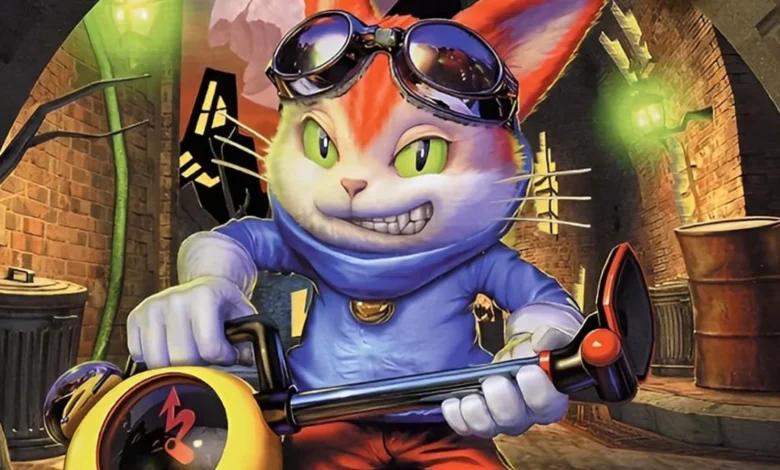
In a move that signals a significant expansion of its digital ecosystem, Microsoft has officially launched the Xbox Backward Compatibility program for Windows PC. This initiative, announced via the company’s official Xbox Wire news outlet, marks the first time that several foundational titles from the original Xbox era will be natively playable on PC hardware and modern handheld devices. The surprise rollout comes at a tumultuous period for the Xbox brand, as the organization navigates internal restructuring, including the reduction of approximately 3,200 positions and the closure of four internal development studios. By leveraging its extensive back catalog, Microsoft appears to be doubling down on software accessibility and ecosystem stickiness as its hardware strategy undergoes a broader re-evaluation.
A New Frontier for Legacy Software
The Xbox Backward Compatibility program on PC is designed to bring "classic" titles to a new generation of players while offering veteran users a way to revisit their libraries without the need for legacy hardware. The initial wave of titles includes four distinct releases from the early 2000s: Blinx: The Time Sweeper, Conker: Live and Reloaded, Crimson Skies: High Road to Revenge, and Fuzion Frenzy. These titles, while perhaps not contemporary "system sellers," represent a cross-section of the original Xbox’s experimental era, ranging from mascot platformers to high-octane aerial combat.
Unlike simple ports, these releases utilize advanced emulation technology to provide a modernized experience. According to technical documentation released by Xbox, the PC versions support a variety of graphical enhancements. These include resolution upscaling up to 4x the original output, VSync support to eliminate screen tearing, and the ability to toggle between fullscreen and windowed display modes. Furthermore, the emulation layer incorporates anisotropic filtering and enhanced anti-aliasing, ensuring that the low-polygon aesthetics of the early 2000s remain crisp on high-density modern displays, such as those found on the ROG Ally or Lenovo Legion Go.
Strategic Context: Navigating Internal Restructuring
The timing of this announcement is noteworthy, occurring shortly after Microsoft’s gaming division faced heavy criticism for the shuttering of studios such as Tango Gameworks and Arkane Austin. The broader industry has seen a trend of "operational streamlining," and Xbox has not been immune. With the recent layoffs and the absorption of Activision Blizzard, Microsoft is currently in the process of redefining what it means to be an "Xbox player."
Industry analysts suggest that the push for PC backward compatibility is part of a "break in case of emergency" strategy—a way to generate positive community engagement and demonstrate the value of the Xbox Game Pass subscription during a period of corporate instability. By bringing console-exclusive legacy titles to the PC, Microsoft is effectively blurring the lines between its platforms, reinforcing the "Xbox is an ecosystem, not just a box" mantra that leadership has championed in recent investor calls.
Technical Specifications and Consumer Accessibility
Microsoft has implemented a consumer-friendly licensing model for this program. Each of the four initial games is available for individual purchase at a price point of $9.99, though regional pricing may vary. Crucially, the titles are also included as part of all Xbox Game Pass tiers, providing immediate value to millions of subscribers.
For long-term fans, the most significant feature is the "entitlement carry-over." Users who already own a digital license for these games on an Xbox console will find the PC versions unlocked in their Microsoft Store library at no additional cost. This cross-buy functionality is supported by cloud-save integration, allowing players to maintain progress across consoles, PCs, and cloud-gaming-enabled devices.
Jason Ronald, Vice President of Next Generation at Xbox, noted that the program is intended to be iterative. "We plan to add even more features to Xbox Backward Compatibility games in the future," Ronald stated. This includes the retroactive addition of Xbox Achievements for the first wave of games, a feature that was not present during the original 2001-2005 lifecycle of the hardware.
A Chronology of Xbox Backward Compatibility
To understand the significance of this PC expansion, one must look at the history of Microsoft’s commitment to software longevity.
- 2005: The Xbox 360 launched with limited backward compatibility for original Xbox games, utilizing software-based emulation profiles that had to be downloaded individually.
- 2015: At E3, Microsoft stunned the industry by announcing Xbox 360 backward compatibility for the Xbox One. This was seen as a major competitive advantage over the PlayStation 4, which lacked native backward compatibility.
- 2017: The program expanded to include original Xbox titles on the Xbox One family of devices, introducing "Heutchy Method" upscaling for 4K displays.
- 2021: During the Xbox 20th Anniversary stream, Microsoft added a final major batch of titles to the program, stating that they had reached the limits of what was possible due to legal, technical, and licensing constraints.
- 2024: The program is revitalized with a focus on the PC architecture, signaling that the technical hurdles of emulating the original Xbox’s custom Nvidia-based hardware on modern x86-64 PC systems have been overcome.
The Initial Software Lineup: A Historical Overview
The choice of the first four titles reflects a desire to cover multiple genres:

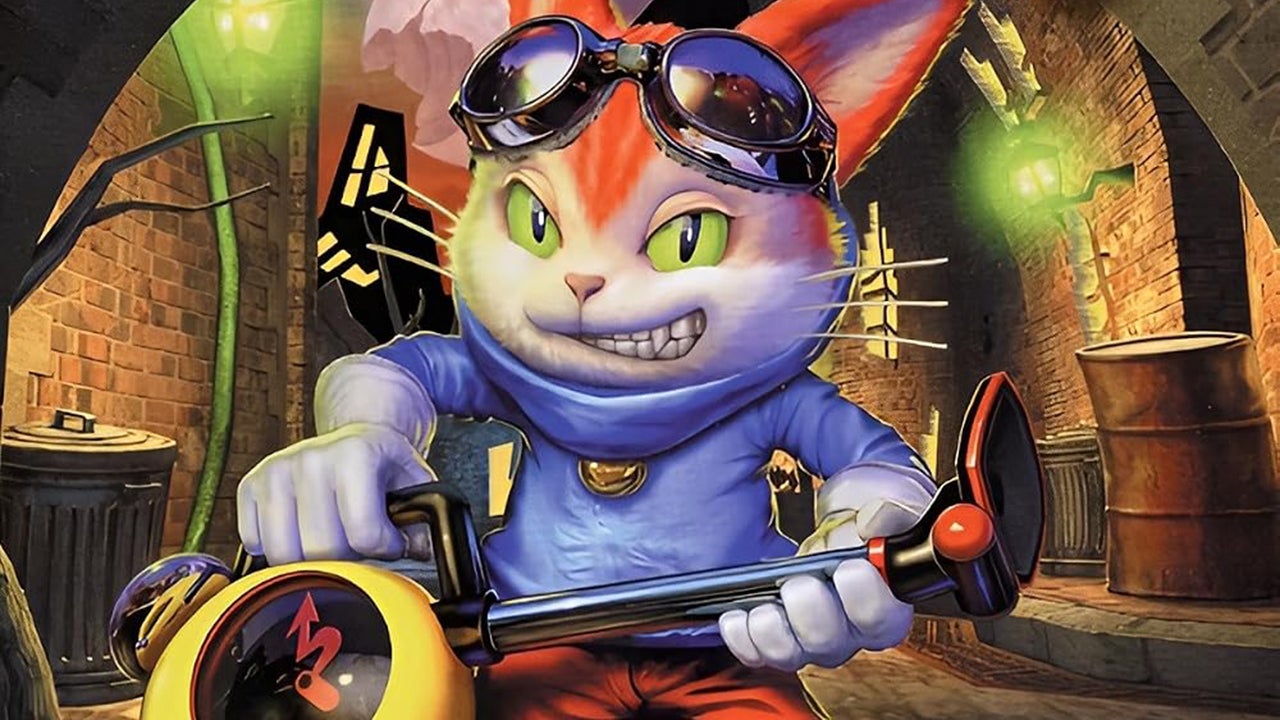
- Blinx: The Time Sweeper (2002): Developed by Artoon, this was Microsoft’s attempt at a "mario-killer" mascot. While it received mixed reviews at launch, its time-manipulation mechanics (pause, rewind, fast-forward) were revolutionary for the era and serve as a perfect showcase for how modern hardware can stabilize complex physics-based gameplay.
- Conker: Live and Reloaded (2005): A remake of the Nintendo 64 classic by Rare, this version was renowned for its high-quality fur shaders and adult humor. It remains one of the most visually impressive games of its generation.
- Crimson Skies: High Road to Revenge (2003): An arcade-style flight action game set in an alternate 1930s. It is widely considered one of the best titles in the original Xbox library and was a pioneer for the early Xbox Live service.
- Fuzion Frenzy (2001): A launch title and party game that became a cult classic. Its inclusion highlights Microsoft’s focus on local multiplayer and "pick-up-and-play" experiences for handheld PC users.
Broader Implications for Game Preservation
The launch of this program arrives amidst a heated debate regarding game preservation. As the industry trends toward a digital-only future, the risk of "delisted" software grows. Recent reports indicate that Sony may be moving away from physical media entirely by 2028, with the potential for the PlayStation 6 to lack a disc drive. In contrast, Microsoft’s focus on maintaining a playable digital library across generations positions them as a leader in software heritage.
However, critics point out that the "half-baked" nature of a four-game launch suggests that licensing remains a significant bottleneck. Many of the original Xbox’s most requested titles—such as Jet Set Radio Future or Otogi—remain locked behind complex intellectual property rights or expired music licenses. The success of this PC program will likely depend on Microsoft’s ability to navigate these legal waters to bring more high-profile titles to the service.
Market Impact and Future Outlook
By bringing these games to PC, Microsoft is directly targeting the burgeoning "handheld PC" market. Devices like the Steam Deck (via Windows installation) and the ROG Ally have created a demand for older, less hardware-intensive titles that are perfect for short play sessions. This move also strengthens the Windows ecosystem against competitors like GOG.com, which has long been the primary destination for classic PC gaming.
The integration of achievements in the coming months is expected to drive a secondary wave of interest from "completionists" who value the meta-game of trophy hunting. As Xbox leadership continues to clarify its vision for the future—one that likely involves multi-platform releases of flagship titles like Sea of Thieves and Halo—the preservation of its history serves as a vital anchor for the brand’s identity.
In conclusion, while the hardware future of Xbox remains a subject of intense speculation, the company’s software strategy is becoming clearer. By bridging the gap between legacy console hardware and the modern PC, Microsoft is ensuring that its history remains a living part of its future, rather than a collection of forgotten data on obsolete plastic discs. The expansion of the Backward Compatibility program to PC is a technical milestone that, if supported with a steady stream of releases, could redefine the value proposition of the Microsoft gaming ecosystem for years to come.