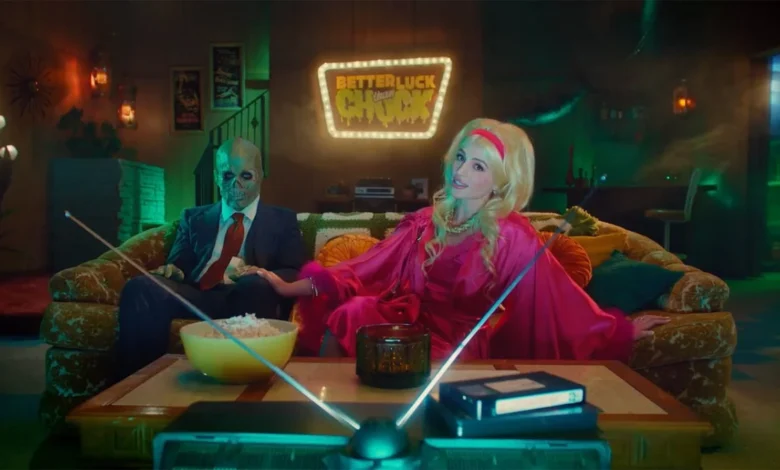
The landscape of genre-focused digital content is set to expand significantly this month with the arrival of Better Luck than Chuck, a new horror-comedy trivia competition series that bridges the gap between classic game show aesthetics and the macabre sensibilities of the horror community. Created by producers Meredith Tummillo and Tony Wash, the series is scheduled to debut on September 24 via the official Better Luck than Chuck YouTube channel, with a weekly release cadence slated for subsequent Thursdays. This production, a joint venture between Scotchworthy Productions and The Line Film Company, seeks to capitalize on the enduring popularity of horror fandom by offering a competitive platform that tests deep-seated knowledge of cinematic history, iconic characters, and technical filmmaking milestones.
Format and Production Dynamics
At its core, Better Luck than Chuck functions as a high-energy trivia platform designed to challenge even the most dedicated cinephiles. The show’s narrative framework centers on a unique host duo: The Widow, portrayed by Alexis Allotta, and her undead husband, Charlie, played by Adam Michaels. This gothic-inflected presentation provides the series with a distinct thematic identity, distinguishing it from more conventional trivia formats found on streaming platforms.
The gameplay mechanics involve contestants competing for prizes while navigating questions that span the breadth of the horror genre. By blending the structured tension of a quiz show with the dark humor inherent in its titular character, the show aims to foster an environment that is both intellectually challenging and performatively entertaining. The production team has emphasized that the questions are not merely surface-level queries but are designed to probe the minutiae of the genre, including behind-the-scenes trivia and obscure film facts.
The Role of Industry Collaboration
One of the most notable aspects of the series is its integration of established horror filmmakers and industry veterans as guest question readers. By involving figures such as Mike Flanagan, the creative force behind modern horror staples like Doctor Sleep and The Haunting of Hill House, the series gains a level of institutional credibility. Other notable contributors include Chad Villella, known for his work on the V/H/S anthology series; Brea Grant, an actress and director with significant genre credits including Lucky; and BJ McDonnell, who directed the horror-comedy Studio 666.
This collaborative approach serves to connect the audience with the creators of the films they are being tested on. The inclusion of figures like Gary Sherman (Poltergeist III), Rebekah McKendry (Glorious), and Anthony Cousins (Frogman) suggests a deliberate effort by the producers to represent a wide spectrum of horror, from psychological thriller and supernatural horror to independent, low-budget cult favorites. This roster of guests provides a bridge between the contestants’ fan-level knowledge and the technical expertise of the industry professionals, effectively validating the legitimacy of the trivia presented.
Historical Context of Horror-Themed Game Shows
The emergence of Better Luck than Chuck arrives at a time when the horror genre is experiencing a sustained period of cultural dominance. Over the past decade, horror has evolved from a niche category into a major revenue driver for both theatrical releases and streaming services. According to various market analytics reports, the "horror-plus" audience—viewers who consistently consume horror content—has grown exponentially, leading to a demand for supplemental programming that extends beyond the films themselves.
Historically, game shows rooted in specific genre fandoms have occupied a unique space in broadcast media. Programs like the classic "Star Trek" trivia segments or specialized film-history quiz shows have long served to build community among enthusiasts. However, the rise of creator-led digital platforms has allowed for more niche-specific content, such as Better Luck than Chuck, to bypass traditional network barriers. By utilizing YouTube as its primary distribution channel, the show is able to reach a global, decentralized audience that might not be accessible through traditional cable television metrics.

Chronology of the Project
The development cycle for this project reflects the agility of modern independent production companies. Following the initial conceptualization phase by Tummillo and Wash, the production moved into an accelerated development stage, securing both the host talent and the high-profile guest readers over the course of several months. The announcement of the series, coupled with the release of the official trailer, has functioned as a strategic marketing maneuver designed to prime the audience ahead of the September 24 premiere date.
The timeline for the series follows a standard digital distribution model:
- Announcement and Trailer Release: Mid-September 2026, serving to build anticipation within the horror enthusiast community.
- Series Premiere: September 24, 2026, marking the launch of the first episode.
- Ongoing Distribution: Weekly episodes released every Thursday, ensuring consistent engagement and algorithmic favorability on the YouTube platform.
Analytical Perspective: The "Fandom-First" Strategy
From an analytical standpoint, Better Luck than Chuck represents a shift toward "fandom-first" content. Unlike legacy media, which often treats horror as a monolithic genre to be marketed to broad demographics, this series specifically targets individuals who possess a high degree of "genre literacy." By rewarding viewers for their specialized knowledge, the show creates a sense of belonging and community, which is a key driver for retention in digital media.
The implications for the independent film industry are also significant. By featuring directors and creators in a trivia context, the show provides a form of earned media that is both cost-effective and highly targeted. For the guests involved, participating in such a show provides a platform to engage directly with their fan base, often leading to increased interest in their own film projects. This symbiotic relationship between the trivia show and the guest contributors creates a virtuous cycle of promotion and entertainment.
Future Implications and Market Sustainability
The sustainability of the project will largely depend on the show’s ability to maintain a balance between difficulty and accessibility. If the questions are too obscure, the show risks alienating casual fans; if they are too simplistic, it loses the appeal for the "hardcore" horror audience. The diverse list of guest readers, however, suggests a strategy of rotating difficulty levels based on the specific expertise of the guest questioner.
Furthermore, the integration of comedy into the horror trivia format—as evidenced by the titular "Chuck" character—is a calculated choice. Horror fans have long demonstrated an affinity for dark humor, as seen in the success of horror-comedy hybrids like Shaun of the Dead or Tucker and Dale vs. Evil. By leaning into this intersection, the producers are aligning the show with the established tastes of their target demographic.
As the series begins its run, industry observers will likely look to its performance metrics—viewership retention, engagement, and the growth of the subscriber base—to determine if there is a viable market for dedicated, long-form horror game show content on digital platforms. If successful, Better Luck than Chuck could pave the way for similar productions that cater to other sub-genres, further diversifying the content landscape on YouTube and similar video-hosting services.
Conclusion
Better Luck than Chuck stands as an ambitious entry into the digital horror space, successfully marrying the excitement of a high-stakes game show with the depth of a community-driven hobby. Through its strategic use of industry talent and a clear understanding of its audience’s interests, the production is well-positioned to carve out a distinct niche in the crowded online media market. As the weekly episodes begin to roll out, the primary question for the creators will be how to sustain the momentum generated by their initial roster of guest readers and the novelty of their premise. With a solid foundation, a clear target audience, and a consistent distribution schedule, the show appears to be a noteworthy addition to the evolving conversation around genre-specific entertainment.