Psi-Ops: The Mindgate Conspiracy Makes Triumphant Return to PlayStation, Elevating Cult Classic Status with Modern Enhancements

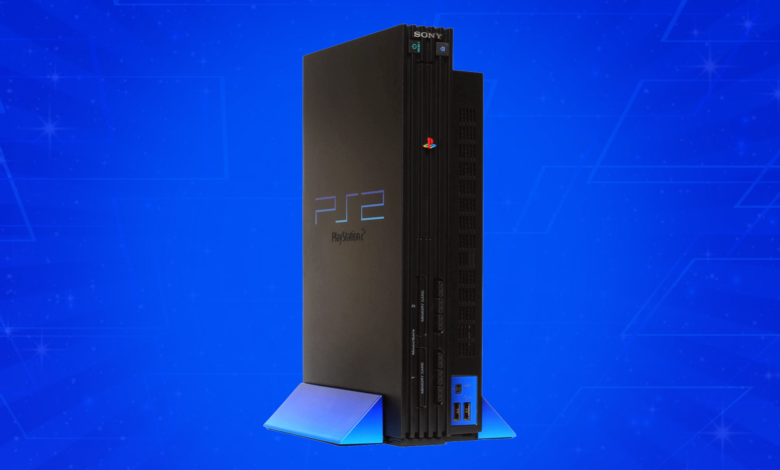
Psi-Ops: The Mindgate Conspiracy, a PlayStation 2 and original Xbox title that first captivated players in 2004, has officially received its inaugural re-release on modern PlayStation platforms, now available for PlayStation 5 and PlayStation 4. This long-awaited return not only makes the game accessible to a new generation and nostalgic fans but also introduces a significant new feature: the integration of a full Trophy system, including the coveted Platinum Trophy. Priced at $20 for direct purchase on the PlayStation Store, the game is also a notable addition to the extensive library offered through PlayStation Plus Premium, enhancing the value proposition for subscribers to Sony’s highest-tier service.
The re-release has been met with overwhelmingly positive reception from the player community. On the PlayStation Store, Psi-Ops: The Mindgate Conspiracy currently boasts an impressive 4.71 out of 5-star rating based on 295 user reviews. For those familiar with the 100-point scale commonly used by aggregators like Metacritic, this translates to an approximate score of 94. This figure notably surpasses the game’s original critical average of 84, recorded more than two decades ago, suggesting a re-evaluation and appreciation for its unique qualities over time. A detailed breakdown of user feedback reveals that 87% of reviewers have awarded the game a perfect 5/5, with the next most common rating being 4/5, accounting for 6% of the total. This strong user endorsement underscores the enduring appeal and quality of the title, affirming its status as a beloved cult classic.
The Genesis of a Cult Classic: Midway’s Vision
Psi-Ops: The Mindgate Conspiracy originated from the creative minds at Midway Games, a prominent developer and publisher during the golden era of arcade and console gaming. Released in June 2004, the game stood out in a crowded market dominated by established franchises due to its innovative integration of psychic powers into a third-person shooter framework. Players assume the role of Nick Scryer, an elite agent suffering from amnesia, who must infiltrate a shadowy organization known as "The Mindgate Project" – a clandestine operation responsible for creating psychically gifted individuals, of which Scryer himself is a product.
Midway Games, known for its diverse portfolio ranging from Mortal Kombat to NBA Jam and Cruis’n USA, consistently pushed boundaries, and Psi-Ops was a testament to their willingness to experiment with novel gameplay mechanics. The game’s core loop revolved around Scryer’s evolving psychic abilities, including telekinesis (manipulating objects and enemies with his mind), pyrokinesis (igniting foes), mind control (possessing enemies), remote viewing (scouting ahead), and aura view (detecting hidden elements). These powers were not merely cosmetic additions but were deeply interwoven into the combat and puzzle-solving, offering players unprecedented freedom in approaching situations. A player could lift an enemy with telekinesis, hurl them into another, or even use them as a human shield before detonating them with pyrokinesis. This level of environmental and enemy interaction was groundbreaking for its time, fostering a sense of creative destruction and strategic depth that set it apart.
Despite its critical praise and innovative design, Psi-Ops did not receive a direct sequel, a fate shared by many promising new IPs during a period where financial stability for independent developers like Midway was increasingly precarious. Midway’s subsequent financial struggles, culminating in its eventual bankruptcy and dissolution in 2009, led to its intellectual properties being acquired by various entities. Warner Bros. Interactive Entertainment notably purchased a significant portion of Midway’s assets, including the rights to Psi-Ops: The Mindgate Conspiracy, along with other prominent franchises like Mortal Kombat and Gauntlet. This acquisition laid the groundwork for the game’s potential re-emergence years later.
A Chronology of Revival: From PS2 to PS5
The journey of Psi-Ops: The Mindgate Conspiracy from its original launch to its current re-release spans over two decades, reflecting the evolving landscape of video game distribution and preservation:
- June 2004: Psi-Ops: The Mindgate Conspiracy is originally released for PlayStation 2 and Xbox in North America. Its unique gameplay and compelling narrative quickly garner critical acclaim, establishing its reputation as an innovative and memorable title.
- Late 2000s: Midway Games faces increasing financial difficulties, eventually filing for Chapter 11 bankruptcy in 2009. This period marks the end of any immediate prospects for a Psi-Ops sequel or direct follow-up under the original developer.
- July 2009: Warner Bros. Interactive Entertainment successfully acquires the majority of Midway Games’ assets, including the Psi-Ops intellectual property, during the bankruptcy proceedings. This move consolidates a vast library of classic games under a major publisher.
- Mid-2010s: As console generations advance, the digital distribution of classic games gains momentum. PlayStation begins to offer a selection of PS2 titles playable on PS4, often through emulation layers, allowing older games to find new life without full remasters.
- October 2021: Sony officially launches its revamped PlayStation Plus service, introducing multiple tiers, including PS Plus Premium. This tier promises a catalog of classic games from past PlayStation generations, creating a platform for titles like Psi-Ops to return.
- Present Day (Likely 2024 or 2026 as per article, indicating a recent event): Warner Bros. Interactive Entertainment, in conjunction with PlayStation, re-releases Psi-Ops: The Mindgate Conspiracy on PS4 and PS5. This marks its first official availability on these modern platforms and its first re-release since its original debut, now enhanced with a full Trophy system.
This timeline highlights not just the longevity of Psi-Ops‘ appeal but also the broader industry trend of revisiting and preserving games from previous console eras. The re-release is a testament to the continued value placed on these "classic" experiences, both by publishers looking to leverage their back catalog and by players eager to revisit or discover historical gaming milestones.
Modern Enhancements: The Allure of Trophies
One of the most significant new features accompanying Psi-Ops‘ return is the full integration of PlayStation’s Trophy system. Trophies, which did not exist during the PlayStation 2 era (they were first introduced with the PlayStation 3 in 2008), provide a meta-game layer of objectives and achievements for players to pursue. For Psi-Ops, this means new challenges ranging from story progression milestones to specific combat feats, hidden item discoveries, and mastery of psychic powers. The inclusion of a Platinum Trophy, awarded upon earning all other Trophies in the game, is particularly enticing for completionists and adds substantial replay value.
The Trophy system serves multiple purposes. For returning veterans, it offers a fresh incentive to replay a familiar title, providing structured goals beyond simply finishing the story. It encourages experimentation with different psychic power combinations and combat strategies to unlock specific achievements. For new players, Trophies can guide them through the game’s mechanics and world, highlighting various aspects of the gameplay they might otherwise overlook. This modern overlay helps bridge the gap between a 20-year-old game design philosophy and contemporary player expectations, making the experience feel more integrated into the current PlayStation ecosystem.
Value Proposition: Pricing and PS Plus Premium Integration
The decision to price Psi-Ops: The Mindgate Conspiracy at $20 for a standalone purchase on the PlayStation Store places it at the higher end of the spectrum for PS2 re-releases on modern platforms. Many other PS2 titles available digitally often range from $10 to $15. This pricing strategy could be justified by several factors: the game’s cult classic status, its inclusion of a brand-new Trophy system (which requires development effort), and its perceived enduring quality. Publishers often weigh the cost of porting or emulating older titles against their expected market value, and for a game with a dedicated fanbase and unique mechanics, a premium price might be deemed appropriate.
However, the game’s inclusion in the PlayStation Plus Premium catalog significantly alters its value proposition. Subscribers to this tier can download and play Psi-Ops without an additional purchase, making it accessible as part of their existing subscription. PlayStation Plus Premium, the most comprehensive tier of Sony’s subscription service, offers a vast library encompassing hundreds of PS4 and PS5 games, classic titles from the PS1, PS2, and PSP eras, and PS3 games via cloud streaming. For subscribers, the addition of Psi-Ops enhances the already considerable classic games offering, potentially drawing in those who remember the title fondly or those curious to explore well-regarded games from past generations. This dual availability strategy allows the publisher to capture revenue from both individual purchasers and a broad subscriber base, maximizing the game’s reach.
Gameplay Mechanics and Enduring Appeal
At its heart, Psi-Ops: The Mindgate Conspiracy is a meticulously crafted third-person action-adventure game. Players navigate diverse environments, from high-tech labs to desolate military bases, engaging in a blend of stealth, direct combat, and environmental puzzle-solving. The gunplay, while solid for its time, takes a backseat to the sheer versatility of Nick Scryer’s psychic powers.
The core psychic abilities, as detailed earlier, are not merely offensive tools but integral to interaction with the game world. Telekinesis, for instance, allows players to pick up almost any object in the environment – chairs, crates, even enemies – and use them as projectiles, shields, or to manipulate switches and clear paths. This freedom encourages emergent gameplay, where players can devise creative solutions to combat encounters and environmental obstacles. Mind control, another powerful ability, allows Scryer to briefly possess enemies, using them to attack their comrades, bypass security systems, or trigger traps. The integration of these powers with a robust physics engine was a technological marvel for 2004, offering a level of player agency that few games could match.
Despite its age, the game’s innovative mechanics and engaging narrative hold up remarkably well. The story, a twisty tale of espionage, genetic experimentation, and memory recovery, maintains a compelling pace. The game’s length, averaging 12 to 14 hours for a typical playthrough, offers a substantial experience without overstaying its welcome. However, new players accustomed to modern control schemes may find the 22-year-old PS2 shooter controls somewhat "obtuse," as noted in the original assessment. Camera controls and targeting mechanics, which have seen significant evolution in subsequent console generations, might require a brief adjustment period. Yet, for those willing to adapt, the depth of the psychic power system and the creative combat possibilities remain a strong draw. Its standalone nature also means there’s no prerequisite knowledge of previous installments, making it easy for anyone to jump in and experience its unique world.
Broader Implications for Game Preservation and Warner Bros.
The re-release of Psi-Ops: The Mindgate Conspiracy carries broader implications for the video game industry, particularly concerning game preservation and the strategic use of legacy intellectual properties. For Warner Bros. Interactive Entertainment, it represents a successful model for leveraging its extensive catalog of acquired Midway titles. The positive reception of Psi-Ops could potentially pave the way for other cult classics from the Midway archives to receive similar treatment. Games like The Suffering, Stranglehold, or even deeper cuts could find a new audience on modern platforms, complete with Trophy support and digital availability. This strategy not only generates new revenue streams from existing assets but also contributes to the historical preservation of significant games that might otherwise be lost to time and outdated hardware.
For the gaming community, such re-releases are vital for game preservation. As physical media degrades and older consoles become less accessible, digital storefronts and subscription services become critical conduits for ensuring that past masterpieces remain playable and discoverable. The inclusion of Psi-Ops in PS Plus Premium further underscores the importance of subscription models in making a wide array of gaming history accessible to a broad audience, fostering appreciation for the evolution of game design. It serves as a reminder that innovation isn’t solely confined to contemporary releases; many groundbreaking concepts originated decades ago and continue to inspire current developers.
The success of Psi-Ops‘ return suggests a robust market for well-regarded older games, especially those that offered unique experiences not easily replicated by modern titles. This trend reinforces the idea that games, much like films or literature, possess enduring cultural value and can transcend their original technological constraints to find new relevance. As the industry continues to mature, the balance between creating new experiences and honoring the rich tapestry of its past will remain a critical focus, with titles like Psi-Ops: The Mindgate Conspiracy serving as shining examples of successful historical re-engagement.