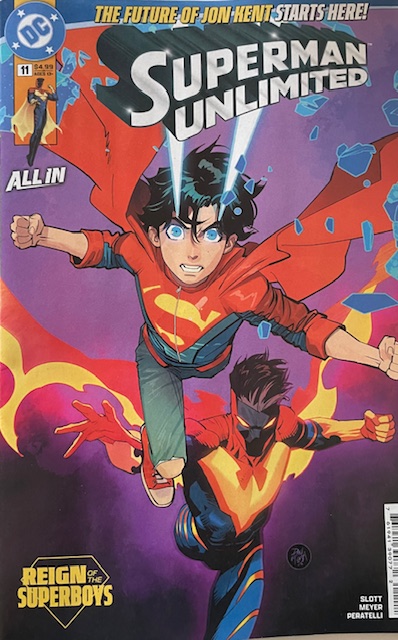
The latest installment of the DC Comics series Superman Unlimited, issue #11, marks a significant narrative pivot for Jon Kent, the current iteration of the Son of Kal-El. Written by Dan Slott with interior art by Lucas Meyer, the issue attempts to reconcile the character’s complex history—ranging from his childhood as the pre-teen "Superboy" to his current status as a young adult—while introducing a new antagonist, the fourth-dimensional entity known as Master Txyz. This issue, released in March 2026, serves as a focal point for long-standing debates regarding the character’s rapid aging and his ongoing legacy within the DC Universe.
Narrative Overview and Character Development
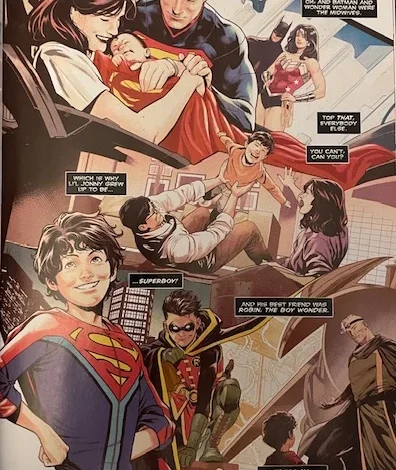
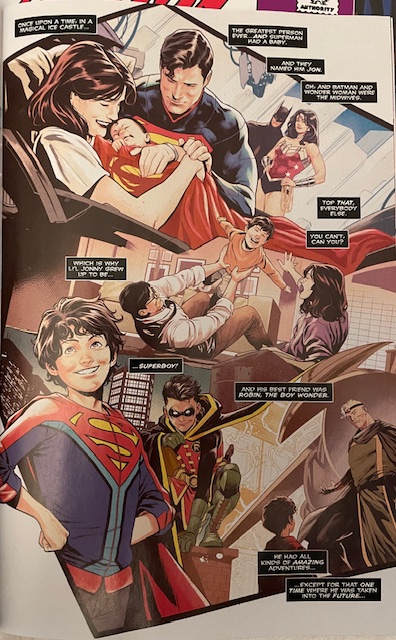
In Superman Unlimited #11, Jon Kent finds himself confronting an arch-nemesis originating from his future. The narrative structure employs a series of flashbacks and temporal shifts to bridge the gap between his past incarnations and his present responsibilities. Dan Slott’s script utilizes these temporal mechanics to provide a comprehensive recap of the character’s development, effectively placing the reader within the context of the "Super-Sons" era—a period defined by the partnership between Jon Kent and Damian Wayne—while navigating the consequences of his current, older state.
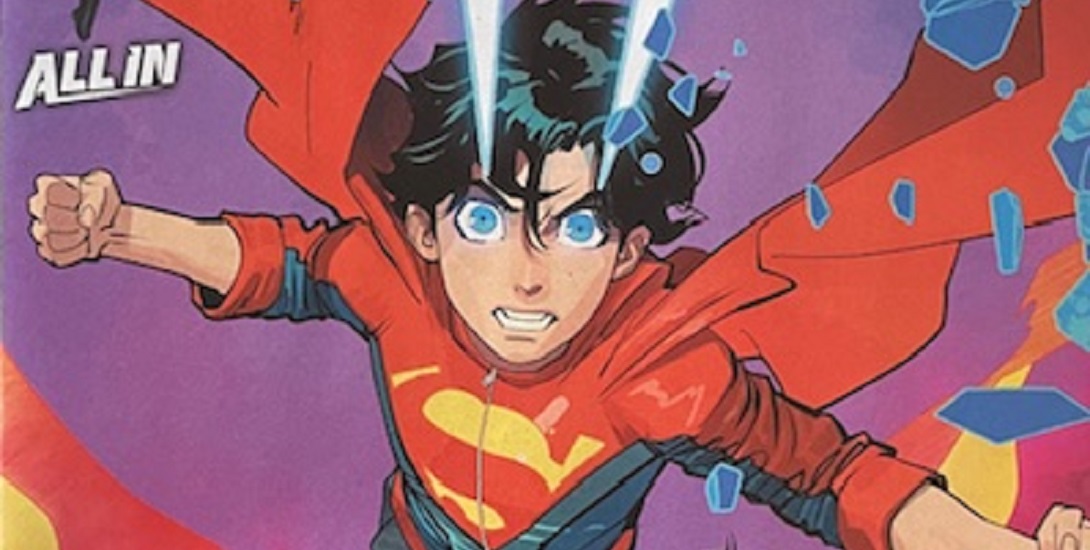
The inclusion of the Super-Sons dynamic, teased on the issue’s cover, provides a narrative anchor for readers who have expressed disconnect with the character’s post-Bendis evolution. By weaving these threads together, the issue attempts to validate the history of the character while simultaneously establishing a new, more definitive identity for him, including the adoption of a new superhero name that the narrative suggests will have lasting implications for his trajectory.
Chronology and Contextual Background
The evolution of Jon Kent has been one of the most debated shifts in contemporary DC Comics lore. Originally introduced in 2015 as the young son of Clark Kent and Lois Lane, the character was initially portrayed as a child discovering his burgeoning powers. This iteration, often referred to as the "pre-Bendis" version, garnered significant critical acclaim for its exploration of youth, discovery, and the familial dynamic of the House of El.
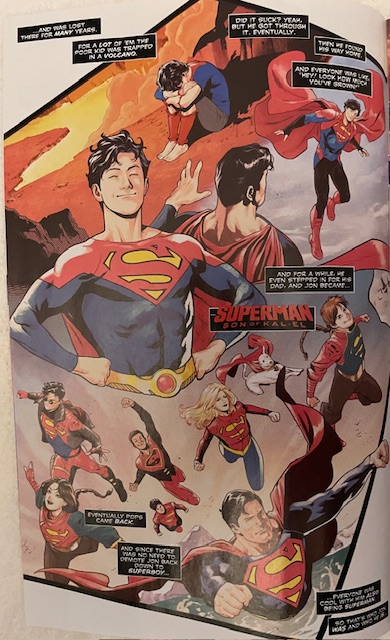
In 2021, the publication of Superman: Son of Kal-El saw the character aged up to his late teens, a move that fundamentally altered his role in the DC landscape. This transition aimed to allow the character to tackle more mature sociopolitical themes, yet it sparked significant pushback from a segment of the fan base that preferred the "Super-Sons" dynamic. Superman Unlimited #11 arrives at a moment where DC editorial appears to be actively addressing these divergent timelines, using temporal manipulation to harmonize the character’s disparate eras.
Artistic Execution and Visual Storytelling
Lucas Meyer’s contribution to the issue centers on the use of montage sequences to represent the passage of time and the emotional weight of Jon Kent’s history. The art team, including colorist Giuliano Peratelli and letterer Dave Sharpe, focuses on creating a visual language that distinguishes between the "past" and "present" timelines.
The emotional resonance of the script is largely carried by Meyer’s facial expressions and character blocking. In sequences depicting the transition between his childhood and his current status, the art successfully captures the sense of loss and discovery inherent in the character’s sudden maturation. This visual narrative support is critical, as it attempts to provide a sense of continuity that has often been missing from the character’s recent adventures.
Technical Analysis and Industry Implications
From a structural perspective, Superman Unlimited #11 adheres to the current industry trend of fast-paced storytelling. The issue manages a high density of information, covering temporal jumps, the introduction of a new antagonist, and character development in a single installment. While this ensures a high level of engagement, it also presents a potential challenge for long-term thematic development. The brevity of modern comic book pacing often leaves little room for deep introspection, a point noted by critics who argue that the emotional beats of the script could benefit from further expansion.
The decision to introduce Master Txyz as a Fourth-Dimensional threat serves as a narrative device to explain the instability in Jon Kent’s history. By framing the character’s fragmented past as the result of external, cosmic interference, the writer provides a meta-commentary on the inconsistent characterization that has plagued Jon Kent since his aging-up. This "in-universe" justification for editorial changes is a common strategy in legacy superhero publishing, designed to appease long-term readers while moving the narrative forward.
Potential Impact on Future Storytelling
The ending of Superman Unlimited #11 introduces a cliffhanger that suggests significant changes for the Superman mythos. The focus on the character’s future, specifically regarding his new identity and his role in the broader DC hierarchy, indicates that the editorial team is planning a sustained arc for this version of the character.
If the "Super-Sons" integration proves to be more than a nostalgic nod, it could signal a shift in how DC handles legacy characters moving forward. The success of this issue will likely be measured by whether it can satisfy fans who demand a return to the character’s younger, more grounded roots, while simultaneously maintaining the momentum of his adult iteration. The "hint" regarding his new name suggests a potential shift toward a more permanent, established title for the hero, which would provide a much-needed sense of permanence to a character who has been in flux for nearly half a decade.
Critical Reception and Industry Standing
Early responses to the issue emphasize a sense of cautious optimism. While the pacing is described as rapid, the effort to "fix" or at least contextualize the character’s history is being viewed as a necessary step. By addressing the "fallacy" of the aging-up process through direct confrontation—both in the script and through the plot’s conflict—Slott has positioned the character in a space that feels more intentional than his previous appearances.
Furthermore, the integration of established, beloved elements like the Super-Sons serves as a bridge for readers who may have drifted away from the main titles. In the broader context of the DC Comics publishing schedule, Superman Unlimited acts as a testing ground for character arcs that may later influence the flagship Superman and Action Comics titles.
Conclusion
Superman Unlimited #11 stands as an important, if dense, entry in the modern Superman canon. By leveraging both the nostalgic power of the Super-Sons era and the complex, mature realities of the current Superman, the issue provides a framework for reconciling the character’s fractured history. Whether this narrative trajectory will succeed in creating a definitive, lasting version of Jon Kent remains to be seen. However, the commitment shown by the creative team to address the character’s history with agency and intensity provides a clear path for future development. As the series moves into its next phase, the focus will likely remain on whether these character-driven developments can sustain long-term engagement or if the narrative will revert to the inconsistency that has hindered the character’s progression thus far. For now, the issue serves as a compelling, albeit hurried, attempt to find common ground in a decade-long conflict regarding one of the most prominent legacy characters in the industry.
Related posts: