A Woman’s Harrowing Hinge Date Experience Highlights Enduring Online Dating Safety Concerns

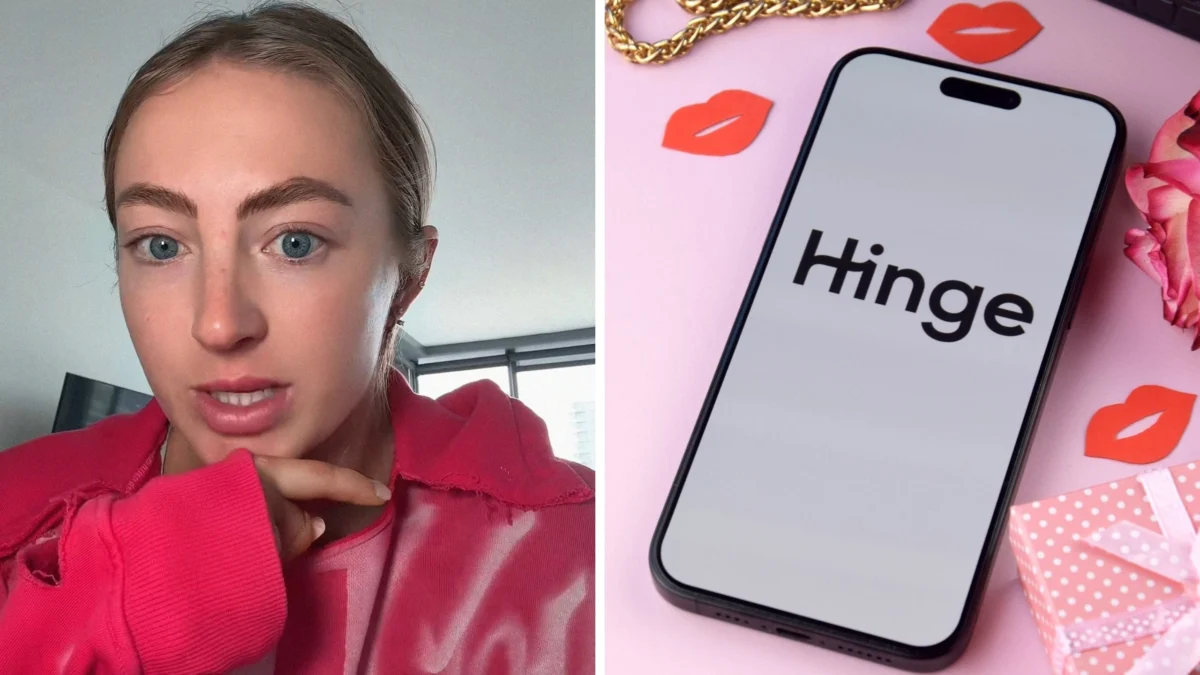
A recent viral incident involving a Hinge user in Florida has reignited crucial conversations surrounding online dating safety, particularly the age-old advice of never allowing a stranger to pick you up for a first date. The woman, identified on TikTok as Jones Jones (@shopapproved), shared a distressing account of a date that veered into a frightening situation when her date deviated from their agreed-upon destination, leading her to question her safety and trust. While the situation thankfully concluded without physical harm, it serves as a stark reminder of the vulnerabilities that can arise when navigating the landscape of modern romance.
The incident, detailed in a now-deleted three-part TikTok series that garnered over 14,400 views, began with a seemingly innocuous meeting arranged through the popular dating application Hinge. Jones Jones, like many online daters, typically adheres to the guideline of arranging her own transportation to and from first dates. This protocol is widely recommended by safety experts and law enforcement agencies to provide individuals with a greater sense of control and an immediate means of escape if a date becomes uncomfortable or threatening. However, in this instance, Jones Jones made an exception, citing an initial sense of comfort with her date. "But for some reason, I was like, he seems normal," she recounted in her videos.
The initial plan was to meet for drinks at a nearby establishment. Jones Jones articulated her preference for drinks as a first date activity, noting its inherent flexibility. "I love doing a first date with drinks because it’s super easy," she explained. "You can leave as quick as you want to. I can Uber home and be done with it." This strategy is designed to minimize commitment and maximize personal safety by ensuring a swift exit if necessary.
However, the evening took a concerning turn shortly after they departed. As they approached the agreed-upon location, Jones Jones observed that her date did not initiate parking. Her growing unease prompted her to question their direction. "I’m like, wait, where are we going?" she recalled. The response she received, "Oh, I have a better idea," was met with initial, albeit reluctant, acceptance. She admits to trying to rationalize his suggestion as a potential romantic gesture. "I was like, oh, cute. Like, he’s surprising me," she explained. This moment exemplifies how a perceived attempt at spontaneity can mask underlying intentions, a common tactic employed by individuals with ill intentions.
The trajectory of the date shifted dramatically as the vehicle moved away from the public venue and headed towards a more secluded area. Jones Jones described the environment as being "out in the hillside," characterized by poor cell service, limited lighting, and a general lack of surrounding activity. This isolation immediately amplified her sense of vulnerability. Compounding her distress was the state of her mobile device: "My phone has like 3%," she stated, adding a critical detail that she had, at that point, turned off her location sharing with a friend. This decision, made perhaps without anticipating a dangerous turn of events, left her feeling disconnected and unmonitored.
The realization that she had no knowledge of their destination and that no one knew her precise whereabouts triggered a wave of panic. "I realize I have no idea where he’s taking me, and no one knows where I am," she expressed. In an attempt to establish a safety net, she swiftly texted her friends, providing them with her date’s picture and a clear instruction: "Like, if I don’t text you later updating you that I make it home, come look for me." This proactive measure, taken amidst growing fear, highlights the importance of pre-arranged communication plans when meeting new people. Despite repeated inquiries about their destination, her date remained evasive, further escalating her anxiety. "That’s when I’m actually starting to panic," she admitted.
The situation escalated further when the vehicle eventually stopped in what Jones Jones described as an "overlook parking lot." Her confusion persisted, given the initial plan for drinks. Her date then attempted to justify the detour, stating, "This is my favorite spot of the city. I just wanted to show you it before we grab drinks." The request that followed, however, was far more unsettling: "Get out," he instructed.
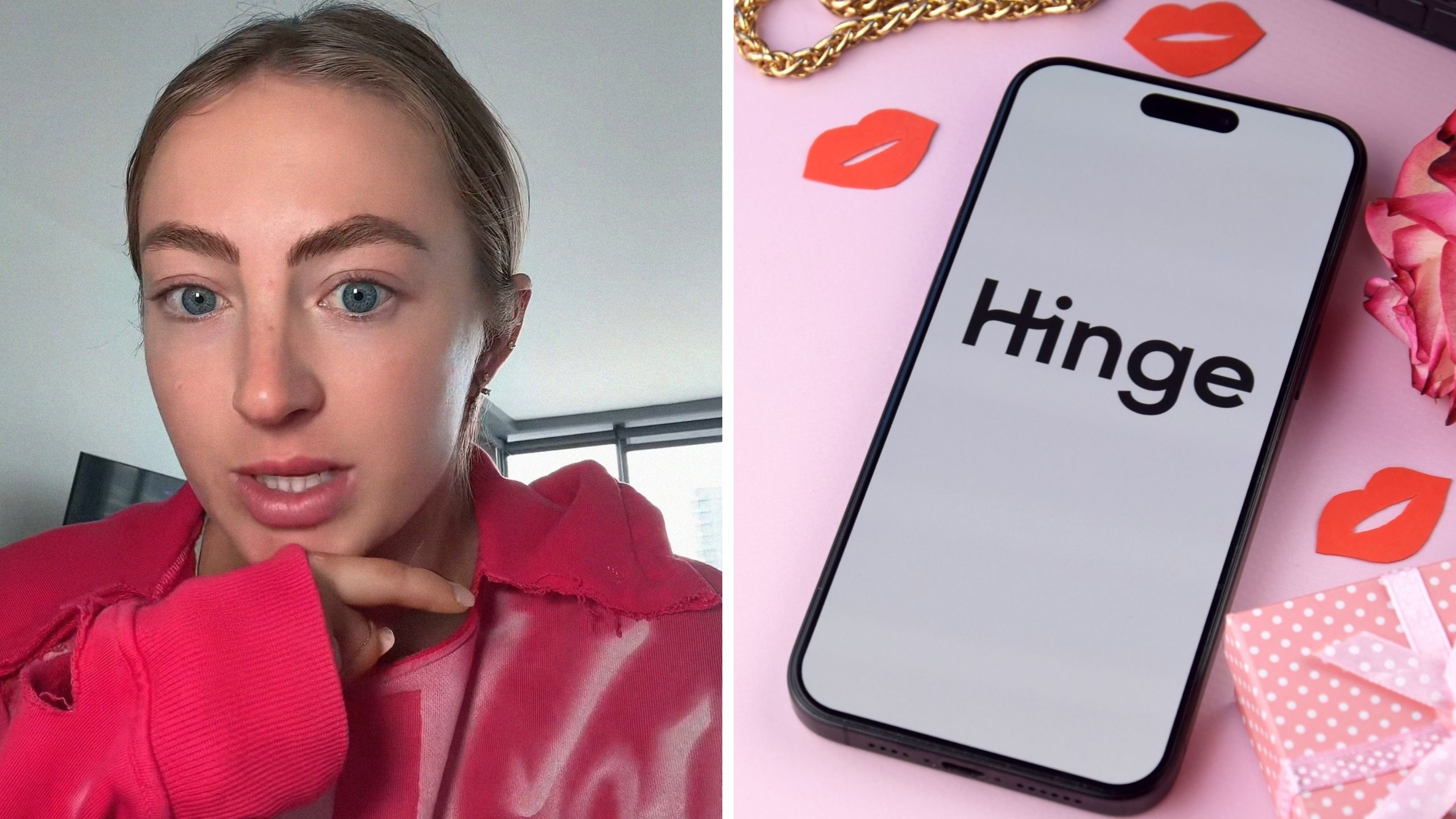
Finding herself in an isolated area with no other people around, Jones Jones felt trapped. The dilemma of exiting the vehicle versus remaining in a potentially dangerous confined space presented a difficult choice. "I’m like, I don’t know if I should be getting out of the car," she recounted. "But being locked in the car is even worse." This moment underscores the psychological pressure and the rapid decision-making required in potentially threatening encounters.
With her safety paramount, Jones Jones devised an escape strategy. She texted a friend with a plea: "Call me right now." Upon receiving the call, she feigned an emergency, exclaiming, "Oh my God, are you OK?" This fabricated crisis provided her with the leverage she needed. She informed her date that her friend needed her and that he had to drive her back immediately. The attempt to leave was met with another obstacle: the car was locked. "I go to get in the car, and the car’s locked," she stated, expressing her disbelief and fear. "And I’m like, why the [expletive] did he lock his car?" This action, in retrospect, served as a significant red flag.
After she began to create a scene, her date relented and drove her back. The return journey was marked by silence, a tense indication of the unresolved nature of the encounter. Upon being dropped off, Jones Jones received no further communication from him. She concluded her account with a potent reiteration of her initial advice: "And that’s why you never let them pick you up on a first date."
The online response to Jones Jones’s story was swift and empathetic, with many users sharing their own experiences and reinforcing safety recommendations. Comments ranged from affirmations of her caution, such as "Never let them take you to the second location girllll," to practical advice about location sharing. One commenter emphasized, "As a friend who always checks all her friends’ locations, please never turn it off. Especially when you’re going on dates." Others expressed concern for her well-being, with one user stating, "I’m sorry this happened to you 🙁 I’m glad you’re okay!!"
This incident aligns with broader concerns about online dating safety that have been amplified by the increasing reliance on dating apps in contemporary society. According to the Pew Research Center, a significant portion of adults have used online dating platforms, and while these platforms offer opportunities for connection, they also present inherent risks. A 2019 study by the University of Chicago found that while online dating can lead to successful long-term relationships, it also carries a higher risk of negative experiences, including harassment and stalking, compared to traditional dating methods.
Law enforcement agencies and safety organizations consistently provide guidelines for individuals engaging in online dating. Police guidance, as often disseminated by local law enforcement and national security initiatives, emphasizes several key precautions. These include:
- Minimizing Personal Information: Early in the communication phase, it is advisable to share only essential information, such as a first name, and to refrain from revealing sensitive details like your full name, workplace, or home address until a significant level of trust has been established.
- Careful Use of Visuals: Individuals are cautioned against sharing photos that they would not be comfortable with becoming publicly accessible. This includes images that could reveal personal identifying information or that could be misused.
- Public First Meetings: The cardinal rule for initial encounters remains meeting in well-lit, public places where there are other people present. This provides a natural deterrent to any untoward behavior and ensures there are witnesses.
- Arranging Your Own Transportation: As Jones Jones’s experience underscores, maintaining control over your transportation is paramount. This allows for an independent departure at any time.
- Informing a Trusted Contact: Always let a friend or family member know where you are going, who you are meeting, and your expected return time. Sharing your live location through messaging apps or dedicated safety apps can provide an additional layer of security.
- Trusting Your Instincts: If a situation feels off, uncomfortable, or unsafe, it is crucial to trust that intuition and take steps to remove yourself from the situation. This might involve making an excuse to leave, contacting your trusted person, or seeking assistance from venue staff.
- Limiting Alcohol Consumption: While social drinking can be part of a date, excessive alcohol consumption can impair judgment and make individuals more vulnerable.
The implications of such incidents extend beyond the individual experience. They contribute to a broader societal discourse about the ethics of online dating platforms and the responsibility of these companies to ensure user safety. While Hinge, like other dating apps, has safety features and community guidelines, the efficacy and implementation of these measures are continually under scrutiny. The Mary Sue has reached out to Jones Jones and Hinge for comment, seeking further insight into the specific circumstances and any potential follow-up actions.
The case of Jones Jones’s harrowing Hinge date serves as a potent narrative, reinforcing that while technology has revolutionized how we connect, fundamental principles of personal safety remain timeless and essential. The allure of a spontaneous surprise or the desire to make a good impression should never override the critical need to prioritize one’s well-being in the initial stages of meeting someone new. The enduring advice to never allow a stranger to pick you up for a first date, once again, proves its critical importance in navigating the complexities of modern romantic encounters.
Related posts: