The cinematic landscape of horror is experiencing a seismic shift as director Lee Cronin has officially confirmed that his latest film, The Mummy, is intrinsically linked to the sprawling and notoriously brutal universe established by Sam Raimi’s seminal 1981 classic, The Evil Dead. This revelation, emerging just as The Mummy makes its theatrical debut, is set to ignite fervent discussion among genre aficionados and solidify a shared continuity that now encompasses a significant portion of modern horror filmmaking.
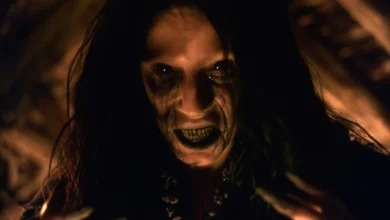
The initial whispers of a connection between The Mummy and the Evil Dead franchise were not born from mere fan conjecture. Post-release screenings and early audience reactions highlighted a striking tonal and stylistic resonance. Despite its premise drawing from the well-worn tropes of classic mummy horror, and even evoking elements of supernatural terror reminiscent of The Exorcist, The Mummy demonstrably embraces the visceral, unrelenting, and often darkly comedic violence that has become a hallmark of Cronin’s directorial style, most notably showcased in his previous critically acclaimed film, Evil Dead Rise. This shared DNA, characterized by its unflinching portrayal of gore, relentless pacing, and a pervasive sense of malevolent energy, proved too compelling to ignore.
Cronin himself has now provided definitive confirmation, directly addressing the speculation in a recent interview. Speaking with Collider, the director explicitly stated his perspective that The Mummy operates within the same narrative universe as the Evil Dead saga. More significantly, Cronin revealed that a subtle yet deliberate piece of connective tissue has been woven into the fabric of The Mummy‘s narrative itself, serving as an Easter egg for observant viewers.
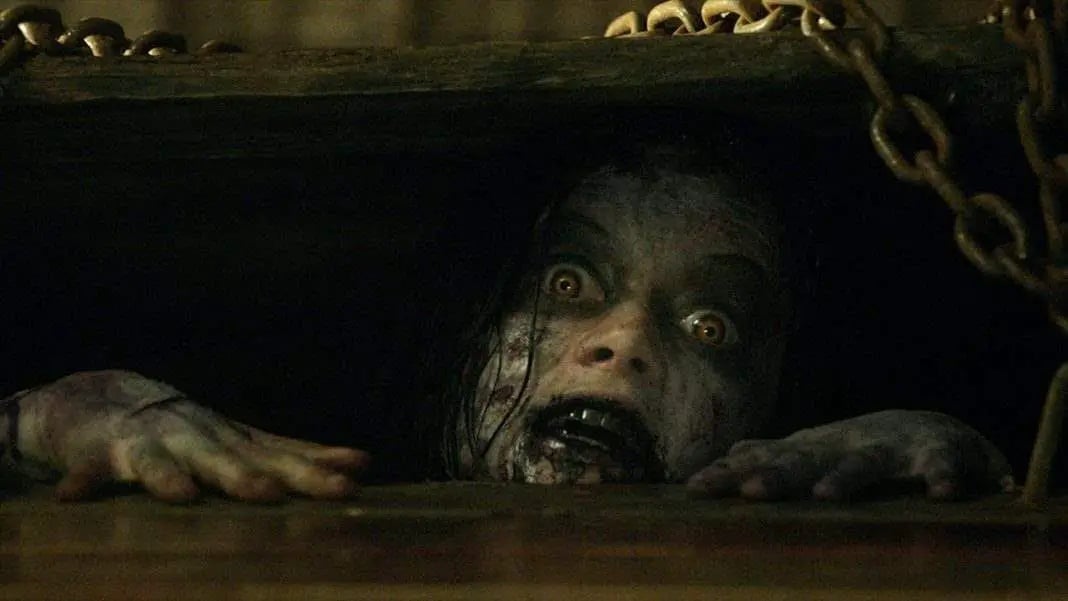
"I’ve definitely thought about that," Cronin remarked when questioned about the film’s canonicity within the Evil Dead universe. "If you pay attention to the name of the archaeologist professor in the movie… he could be a distant relative of some key characters in Evil Dead Rise."
This seemingly minor detail, a potential familial link to characters central to the Evil Dead Rise narrative, is precisely the kind of canonical anchor that franchise logic often utilizes to forge connections. By this standard, the inclusion of such a character, however understated, officially places The Mummy within the ever-expanding Evil Dead continuum.
The Expanding Evil Dead Multiverse
This integration of The Mummy into the Evil Dead universe is not an isolated incident but rather a strategic expansion of a meticulously constructed narrative tapestry. Evil Dead Rise, released in 2023, marked the beginning of a new trilogy designed to build upon the foundation of Fede Álvarez’s successful 2013 reboot, Evil Dead. Crucially, Álvarez’s film had already been confirmed to exist within the same continuity as Sam Raimi’s original trilogy—comprising The Evil Dead (1981), Evil Dead II (1987), and Army of Darkness (1992)—as well as the subsequent television series, Ash vs. Evil Dead. What once appeared as disparate interpretations and reboots has now been successfully unified into a single, overarching canon. Cronin’s The Mummy effectively serves to broaden this established universe even further, suggesting a future where distinct horror properties might converge under a unified banner.
The future of the Evil Dead franchise is already mapped out, with further installments slated to continue this ambitious expansion. This summer is set to witness the release of Evil Dead Burn, followed by Evil Dead Wrath in 2028. The precise nature of these future films and their potential to introduce further connections or crossover elements remains to be seen, but their placement within this shared continuity is assured.
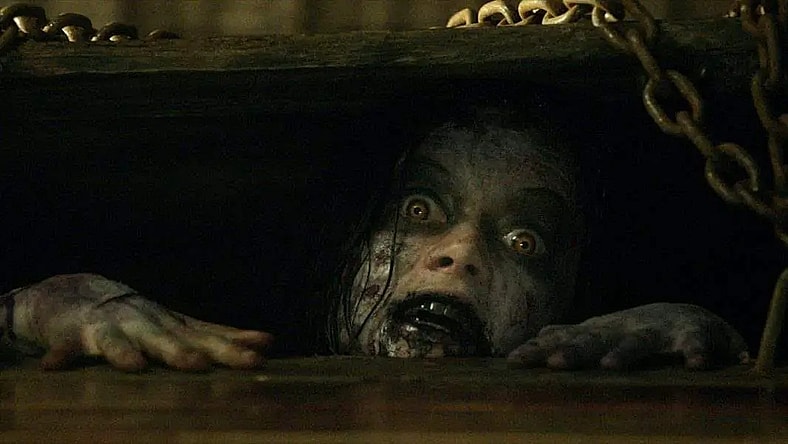
The Mummy: A Premise Rooted in Terror
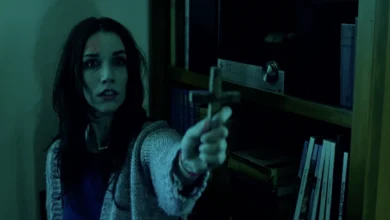
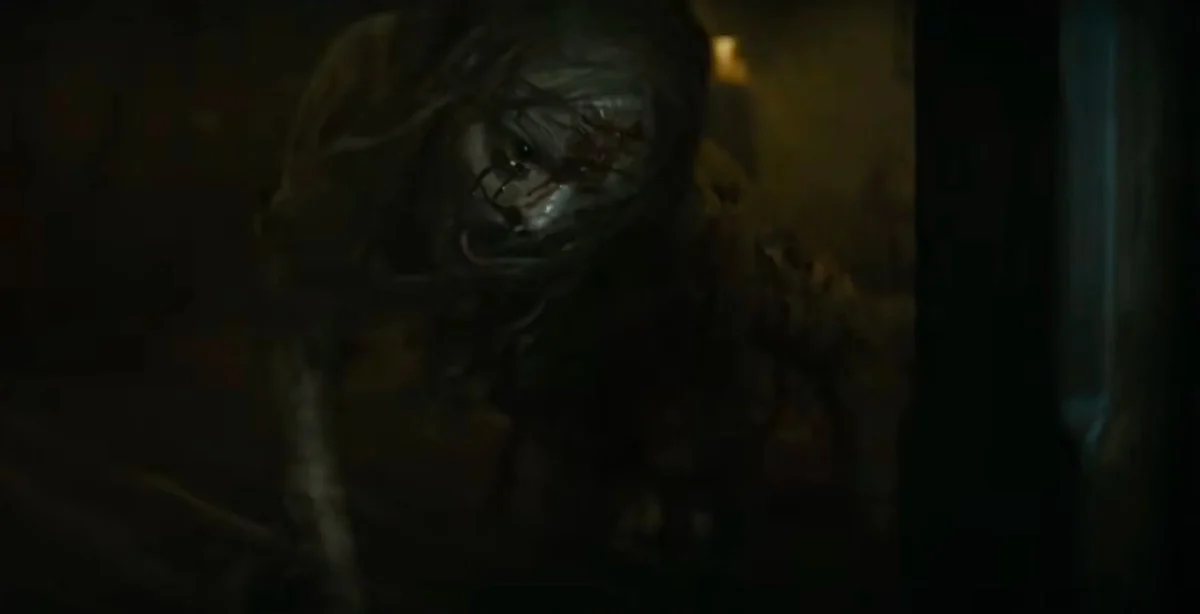
At its core, The Mummy presents a harrowing tale of loss and resurfacing terror. The narrative centers on a journalist whose young daughter vanishes without a trace in the unforgiving desert. Eight years later, in a twist that shatters the family’s fragile peace, the daughter is inexplicably returned. What should be a moment of profound joy quickly devolves into a waking nightmare as it becomes apparent that the returned child is not the one they lost, and a sinister presence has been unleashed. The film’s thematic exploration of abduction, trauma, and the insidious nature of evil resonates with the darker undercurrents that have defined the Evil Dead franchise.
Box Office Projections and Critical Reception
Early box office projections indicate a robust opening weekend for The Mummy, largely driven by the dedicated fanbase of the horror genre and the inherent curiosity surrounding its connection to the Evil Dead universe. The franchise’s established reputation for delivering intense and memorable horror experiences is a significant draw. However, critical reception to The Mummy has been notably divided. While some critics have praised its atmospheric tension and Cronin’s signature brand of visceral horror, others have found its narrative less compelling or its tonal shifts jarring. This split response may ultimately influence the film’s long-term box office performance, but its immediate impact on genre discourse and fan engagement is undeniable. The very act of linking it to the Evil Dead universe has already ignited considerable interest and debate within the horror community, underscoring the power of shared cinematic universes in generating buzz and fostering fan speculation.
The Evolution of the Evil Dead Canon: A Timeline
The Evil Dead franchise, a cornerstone of horror cinema, has undergone a remarkable evolution, transitioning from a low-budget independent sensation to a multifaceted cinematic universe. Understanding this trajectory provides context for the integration of The Mummy.
- 1981: Sam Raimi unleashes The Evil Dead upon an unsuspecting audience. Shot on a shoestring budget, its raw, relentless terror and inventive gore established a new benchmark for independent horror. The film introduced the Necronomicon Ex-Mortis, the "Book of the Dead," and the Kandarian demons that would plague its protagonists.
- 1987: Evil Dead II arrives, a more polished and comedic, yet equally violent, sequel. It cleverly retconned elements of the first film while expanding on its lore and solidifying the iconic character of Ash Williams, played by Bruce Campbell.
- 1992: Army of Darkness concludes the original trilogy, infusing the series with a strong dose of fantasy and slapstick humor as Ash is transported to the Middle Ages. While tonally distinct, it remained firmly rooted in the Evil Dead mythology.
- 2013: Fede Álvarez revitalizes the franchise with Evil Dead. This reboot, while featuring new characters, embraced the original’s brutal intensity and established a direct continuity with Raimi’s films, setting the stage for a shared universe.
- 2023: Lee Cronin directs Evil Dead Rise, which eschews the cabin in the woods trope for an urban setting. This film proved to be a critical and commercial success, further solidifying the shared universe and confirming the potential for diverse storytelling within the Evil Dead framework.
- Present Day (Year of Publication): The release of The Mummy and Lee Cronin’s confirmation of its canonicity within the Evil Dead universe marks a significant expansion, demonstrating a deliberate strategy to broaden the franchise’s reach and narrative possibilities.
- Future Releases: Evil Dead Burn (Summer of Publication Year) and Evil Dead Wrath (2028) are slated to continue the narrative, with expectations high for further exploration of the established canon and potential interconnections with other horror properties.
The deliberate inclusion of a potential familial link in The Mummy serves as a testament to the creative team’s commitment to building a cohesive and interconnected horror universe. This approach not only honors the legacy of The Evil Dead but also offers exciting prospects for future storytelling, potentially leading to unexpected crossovers and a more expansive mythology that appeals to a wider audience of horror enthusiasts. The careful placement of such subtle clues suggests a long-term vision for the franchise, aiming to weave a complex narrative that rewards dedicated viewers and generates ongoing anticipation for what lies ahead.
Related posts: