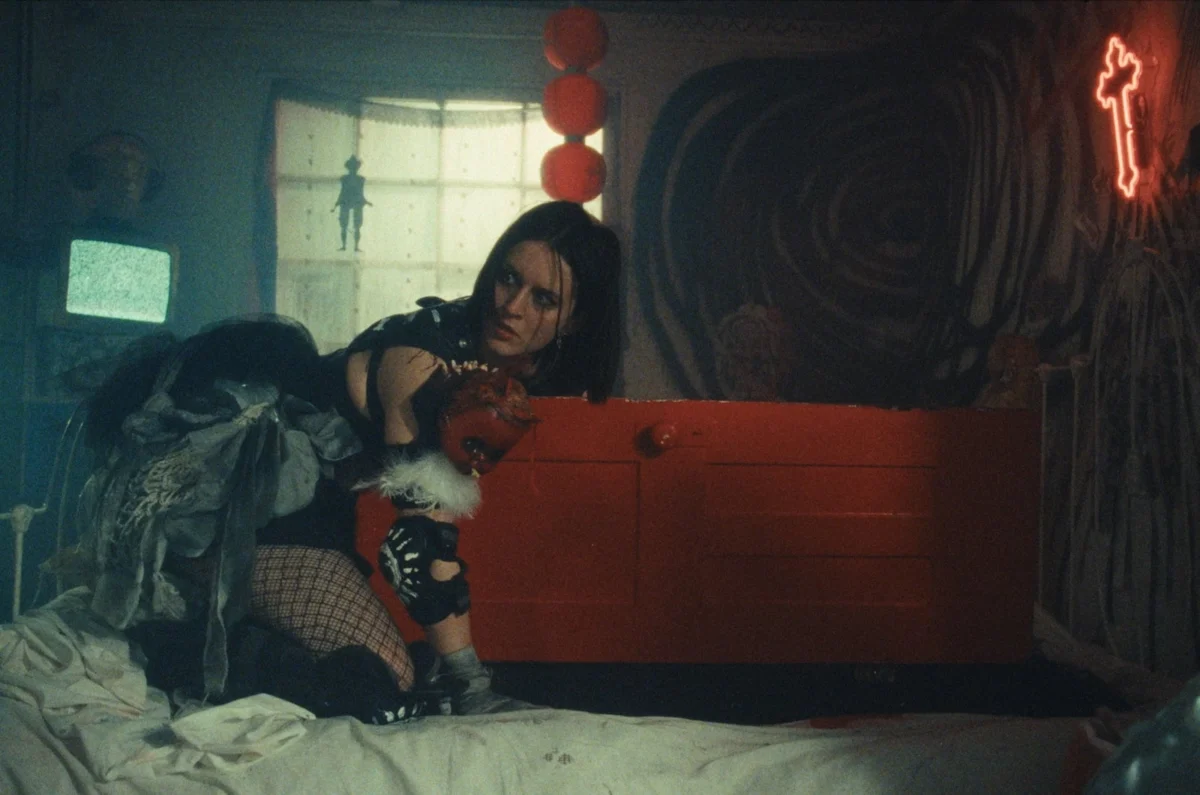
Dark Star Pictures has secured the U.S. distribution rights for "LUCID," a genre-bending film written and directed by Deanna Milligan and Ramsey Fendall. The acquisition signals a significant move for the independent distributor, known for championing unique and daring cinematic visions. "LUCID" is slated for a theatrical and digital release in the United States later this year, following its Canadian premiere on May 29, distributed by Filmoption. This forthcoming release promises to introduce American audiences to a film that delves into the depths of artistic struggle, the allure of the subconscious, and the terrifying manifestations of internal conflict.
The film’s distinctive aesthetic, achieved through shooting on both 35mm and Super-8 film, hints at a deliberate visual approach that aims to immerse viewers in its narrative. This choice of analog formats often contributes to a timeless, textured feel, distinguishing it from the prevalent digital cinematography of contemporary cinema. Previously, "LUCID" garnered attention with exclusive previews, including an evocative clip and striking creature imagery, as reported by Rue Morgue, highlighting the film’s commitment to tangible, often unsettling, visual storytelling.
"LUCID" centers on Mia, portrayed by Caitlin Acken Taylor, an art student facing the precarious threat of expulsion from her academic institution. Her creative wellspring has seemingly run dry, pushing her to the brink of academic and artistic failure. In her desperation, Mia discovers a potent elixir designed to induce lucid dreaming, a state where the dreamer gains conscious control over their dreamscape. This mystical concoction offers a glimmer of hope, reigniting her artistic inspiration and unlocking a torrent of creative energy. However, the elixir’s power comes at a profound cost. As Mia’s creativity flourishes, it simultaneously awakens a host of monstrous entities that reside within her subconscious. Among these terrifying manifestations is her own mother, transformed into a monstrous, hairy figure, forcing Mia into a harrowing confrontation with this deeply personal and symbolically charged demon.
The ensemble cast supporting Caitlin Acken Taylor includes Amber Dandelion, Georgia Acken, Bobby Cleveland, John Luna, and Vivian Vanderpuss. Georgia Acken’s inclusion is particularly noteworthy, given her previous work in "The Sacrifice Game," another film that has explored themes of the supernatural and psychological horror. This established presence in genre cinema suggests a familiarity and comfort with delivering performances that can navigate the often complex and demanding emotional terrain of such narratives.
Dark Star Pictures’ Vision for "LUCID"
Michael Repsch, President of Dark Star Pictures, expressed considerable enthusiasm for the acquisition, underscoring the film’s unique qualities. "LUCID is exactly the kind of daring, genre-bending filmmaking we love championing at Dark Star," Repsch stated. His endorsement highlights the distributor’s strategic focus on films that push boundaries and defy conventional categorization. Repsch further elaborated on the film’s appeal, describing it as "visually hypnotic, emotionally raw, and unapologetically weird in all the right ways." This characterization suggests that "LUCID" is not merely a horror film, but an experience designed to engage viewers on multiple levels, appealing to those who appreciate artistic ambition and a departure from mainstream storytelling conventions.
The president’s sentiment conveys a clear understanding of the film’s artistic intent and its potential to resonate with a specific, discerning audience. "We’re excited to help introduce this unforgettable film to U.S. audiences," Repsch added, signifying Dark Star’s commitment to providing a robust platform for the film’s national debut. This statement also implies a belief in the film’s commercial viability within the independent film market, a sector that often thrives on distinctive and memorable content.
Thematic Depth and Creative Process
The premise of "LUCID" taps into a rich vein of psychological exploration, delving into the symbiotic relationship between creativity and the subconscious mind. The concept of lucid dreaming, while often associated with self-improvement and exploration, can also serve as a potent metaphor for confronting inner demons and unresolved traumas. Mia’s journey suggests a narrative that uses the fantastical elements of dream logic and monstrous imagery to externalize her internal struggles. The "hair monster" representing her mother is a particularly potent symbol, evoking primal fears and the complex, often fraught, relationships within families. This archetype of the monstrous parent is a recurring motif in horror and psychological thrillers, reflecting anxieties about control, nurture, and the destructive potential of familial dynamics.
The film’s creators, Deanna Milligan and Ramsey Fendall, have established themselves as storytellers unafraid to explore the darker aspects of human experience and imagination. Their dual roles as writers and directors indicate a cohesive artistic vision, where the narrative and visual elements are likely to be deeply intertwined. The choice to shoot on film, a medium that itself requires a deliberate and often more challenging creative process than digital, further suggests a commitment to artisanal filmmaking. This dedication to craft can often translate into a more visceral and textured viewing experience, enhancing the film’s impact.
Historical Context and Industry Trends
The acquisition of "LUCID" by Dark Star Pictures aligns with a broader trend in the independent film distribution landscape. In recent years, distributors like Dark Star have become crucial in bringing auteur-driven, genre-focused, and visually distinctive films to wider audiences. The success of independent horror and genre films at festivals and in niche markets has demonstrated a strong appetite for content that offers something beyond the conventional blockbuster formula. Films that explore psychological themes, employ innovative visual techniques, and tackle complex emotional narratives often find dedicated followings.
The independent film market, particularly within the horror and thriller genres, has seen a resurgence in recent years. This has been fueled by a growing audience seeking original stories and a departure from franchise-dominated blockbusters. The availability of accessible filmmaking technology has also empowered a new generation of filmmakers to experiment and produce compelling work. However, the challenge for these filmmakers remains securing effective distribution and reaching their intended audience. Acquisitions by established independent distributors like Dark Star Pictures are therefore vital for the visibility and success of such projects.
Supporting Data and Precedent
While specific box office projections for "LUCID" are not yet available, the film’s genre and independent nature place it within a category that has shown consistent audience engagement. For example, films like "The Babadook" (2014), "Hereditary" (2018), and "Midsommar" (2019), while varying in their specific subgenres, all achieved critical acclaim and commercial success by offering sophisticated horror narratives with strong thematic underpinnings and distinctive visual styles. These films, often distributed by independent arms of larger studios or by dedicated genre distributors, demonstrate that audiences are receptive to challenging and artistically ambitious horror.
The Canadian theatrical debut via Filmoption also provides a crucial initial barometer for the film’s reception. Festival premieres and early regional releases can generate buzz and provide valuable data regarding audience response, critical reviews, and word-of-mouth marketing, all of which can inform the strategy for the U.S. release. The film’s participation in various festivals, if applicable, would also have provided an important platform for industry professionals and critics to discover and champion the film.
Chronology of Release and Anticipation
The timeline for "LUCID" is marked by a series of significant milestones. The initial announcement of Dark Star Pictures’ acquisition sets the stage for its U.S. debut. The film’s Canadian theatrical release on May 29 serves as a critical pre-cursor, allowing audiences in Canada to experience the film first. This staggered release strategy is common for independent films, enabling distributors to build momentum and gauge audience reception in one market before expanding to another. The subsequent U.S. theatrical and digital release later in the year signifies the culmination of these efforts.
The previous coverage by Rue Morgue, highlighting exclusive clips and creature images, indicates that there has been ongoing interest in "LUCID" within genre communities. This early exposure is instrumental in building anticipation and establishing a baseline awareness among potential viewers who actively seek out unique and innovative horror content. The film’s production on 35mm and Super-8 film also contributes to its narrative of creative struggle and artistic expression, resonating with themes of dedication and craft that often appeal to cinephiles.
Broader Impact and Implications
The acquisition of "LUCID" by Dark Star Pictures has several implications for the independent film industry and for genre cinema. Firstly, it reinforces Dark Star’s reputation as a discerning curator of unconventional films, potentially attracting more filmmakers with similar artistic ambitions to seek distribution with the company. Secondly, it provides a platform for emerging talents like Deanna Milligan and Ramsey Fendall to reach a wider audience, potentially launching or advancing their careers.
The film’s focus on themes of creativity, mental health, and the confronting of inner demons through fantastical means speaks to a contemporary cultural dialogue. As society grapples with increasing rates of mental health challenges and a growing awareness of the complexities of the human psyche, films that explore these themes in imaginative and resonant ways are likely to find a receptive audience. "LUCID" has the potential to spark conversations about artistic pressure, the subconscious, and the ways in which we process our deepest fears and anxieties.
Furthermore, the film’s visual approach, utilizing analog film formats, could inspire other filmmakers to explore similar techniques, pushing back against the ubiquity of digital production and championing a more tactile and artful approach to filmmaking. In an era where content creation is increasingly democratized, films that stand out through their technical artistry and unique creative choices are more likely to capture attention and leave a lasting impression. The success of "LUCID" could therefore contribute to a broader appreciation for the craft and materiality of filmmaking.
Related posts: