Navigating workplace social dynamics can be a complex endeavor, particularly when attempting to identify niche hobbies and personal interests among colleagues. While the most direct approach to discovering whether a coworker enjoys Dungeons & Dragons is simply to ask, social anxieties and the lingering, though fading, stigma surrounding tabletop roleplaying games often discourage upfront inquiries. Consequently, professionals seeking prospective gaming companions must rely on behavioral cues, conversational subtext, and inherent personality traits. Identifying these indicators not only helps in assembling a prospective adventuring party but also offers insights into workplace culture, team-building potential, and the mainstreaming of nerd culture in modern corporate environments.

The intersection of tabletop gaming and contemporary office life reflects a broader cultural shift. Over the past decade, Dungeons & Dragons has transitioned from a marginalized subculture into a multi-million-dollar mainstream entertainment phenomenon. Propelled by high-profile pop culture touchstones, celebrity endorsements, and actual-play streaming series like Critical Role, the demographic footprint of the hobby has expanded significantly. Today, accountants, software engineers, marketing executives, and human resources personnel frequently comprise the modern tabletop demographic. Recognizing this shift requires understanding the subtle linguistic and behavioral markers that indicate an active participant or a prime candidate for a weekend campaign.
Linguistic Markers and Conversational Cues
One of the most reliable indicators of a coworker’s familiarity with tabletop roleplaying games is the inadvertent use of game-specific terminology in professional settings. Language often betrays internal mental models, and individuals immersed in fantasy roleplaying rulesets frequently apply them to mundane scenarios.

Alignment terminology serves as an immediate giveaway. When a colleague describes a particularly cutthroat office maneuver or a bureaucratic hurdle as "lawful evil" or "chaotic neutral," they are drawing directly from the nine-alignment matrix popularized by D&D. This system categorizes characters based on their moral stances toward society (lawful, neutral, chaotic) and ethics regarding others (good, neutral, evil). Casually integrating these concepts into corporate critique suggests a deep-seated familiarity with tabletop mechanics.
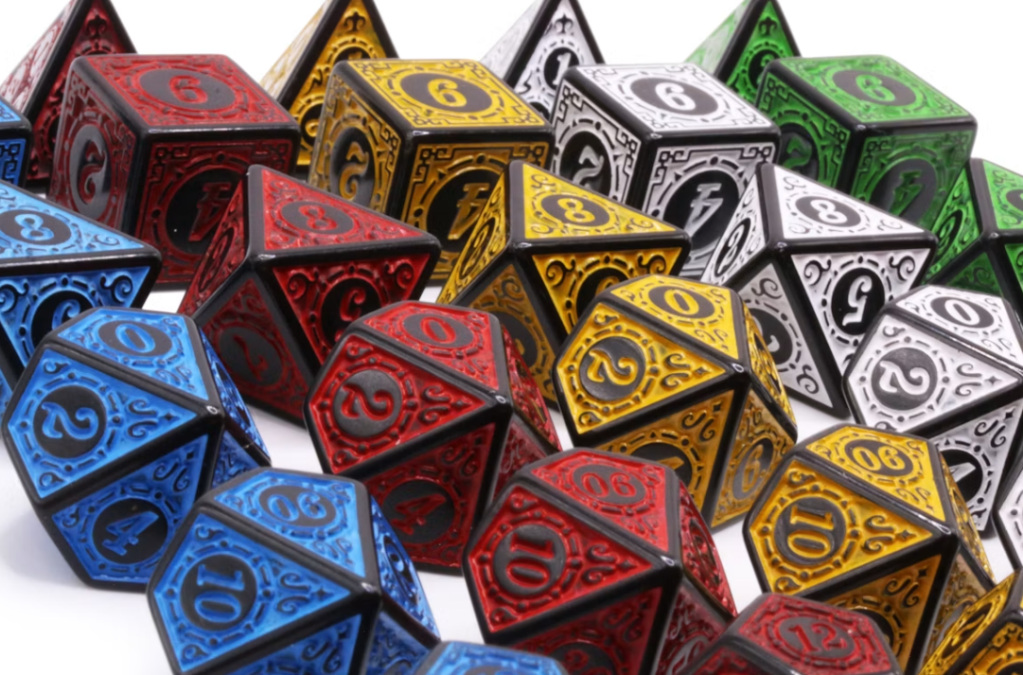
Similarly, numeric shorthand frequently slips into casual dialogue. A passing reference to rolling a "natural one"—often shortened to "Nat 1"—during a disastrous presentation or a failed administrative task signals an understanding of twenty-sided die (d20) mechanics. In D&D, a natural one represents an automatic failure on a skill check or attack, carrying a culturally understood weight of comedic tragedy. Colleagues who acknowledge or chuckle at this reference are rarely doing so by coincidence.

Other linguistic tells include dropping acronyms like "DM" (Dungeon Master) without requiring clarification, or casually suggesting that a team "roll for initiative" when prioritizing daily tasks. While these phrases are often deployed in jest, their effortless integration into everyday workplace banter typically stems from regular exposure to tabletop sessions.
Behavioral Indicators and Personality Traits
Beyond explicit vocabulary, certain behavioral patterns and cognitive preferences strongly correlate with an affinity for roleplaying games. Identifying these traits allows colleagues to spot prospective players who may not yet use the standard jargon.
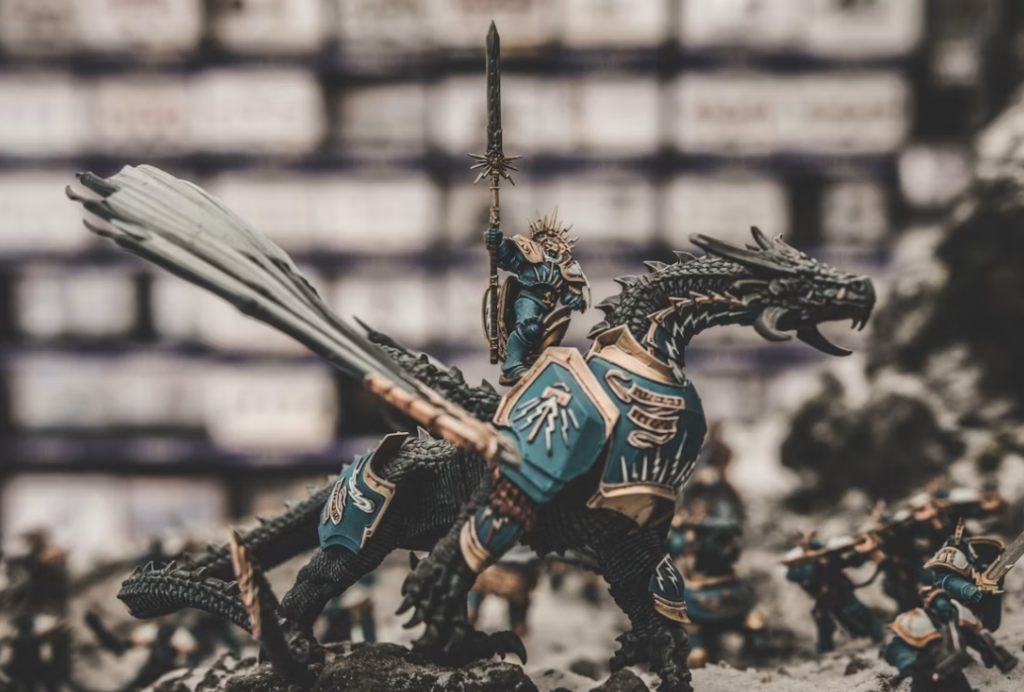
A foundational affinity for speculative fiction, particularly the works of J.R.R. Tolkien, often serves as a gateway to tabletop gaming. Middle-earth provided the foundational archetypes—elves, dwarves, halflings, and wandering wizards—that shaped early fantasy roleplaying systems. Colleagues who display extensive knowledge of high-fantasy lore, or who collect detailed fantasy literature, possess the imaginative framework necessary to engage in cooperative world-building.
Furthermore, individuals who gravitate toward improvisational theater or collaborative storytelling exhibit traits vital to a successful campaign. D&D is not merely a board game with rigid victory conditions; it is a collaborative narrative exercise where participants react dynamically to unforeseen circumstances. Employees who enjoy creative writing, character development, or unscripted problem-solving often find that roleplaying satisfies an inherent creative impulse.
Board game enthusiasts also represent a high-probability demographic. Modern board gaming has experienced a renaissance parallel to that of tabletop roleplaying, featuring complex mechanics, resource management, and strategic depth. Colleagues who regularly organize office game nights or advocate for intricate tabletop titles are frequently receptive to expanding into roleplaying formats.
Chronology of Mainstream Acceptance
To understand why discussing Dungeons & Dragons in a professional environment has evolved from a taboo subject into an acceptable casual topic, one must examine the historical trajectory of the hobby.

Created by Gary Gygax and Dave Arneson and published in 1974 by Tactical Studies Rules (TSR), D&D spent its first two decades associated with social isolation and moral panic, particularly during the "Satanic Panic" of the 1980s. Throughout the 1990s and early 2000s, the hobby remained largely underground, sustained by dedicated niche communities and the advent of early internet forums.
A pivotal shift occurred in the mid-2010s with the release of the game’s Fifth Edition in 2014, which streamlined rules and lowered the barrier to entry for new players. Concurrently, digital streaming platforms enabled groups to broadcast their live campaigns to millions of viewers. The cultural legitimization accelerated sharply with prominent references in popular media, most notably in the Netflix series Stranger Things, which anchored the game firmly in 1980s nostalgia while introducing it to a new generation of fans. By the late 2010s and early 2020s, corporate entities began recognizing the soft skills fostered by tabletop gaming—such as strategic planning, collaborative problem-solving, and active listening—leading to its quiet integration into team-building discourse.

Implications for Workplace Culture and Team Building
The identification of shared recreational interests among coworkers holds tangible implications for organizational psychology and workplace culture. Fostering environments where employees can express niche interests safely contributes to psychological safety and team cohesion.
Management and human resources analysts frequently evaluate how informal social groups impact employee retention and job satisfaction. Shared creative hobbies like tabletop gaming encourage trust, empathy, and effective communication among colleagues across different hierarchical tiers. When a manager and an entry-level associate sit down to play a collaborative game, traditional corporate power dynamics shift into a cooperative framework where shared problem-solving supersedes rank.
However, professionals must navigate these discoveries with a balanced approach. While recognizing alignment jokes or dice collections can forge meaningful interpersonal connections, unsolicited recruitment into high-commitment weekly campaigns can overwhelm colleagues seeking strict boundaries between professional duties and personal time. Respecting personal boundaries remains paramount in any corporate social initiative.
Ultimately, decoding whether a coworker harbors a passion for Dungeons & Dragons extends beyond the pursuit of a weekend pastime. It reflects a deeper appreciation for the diverse inner lives of colleagues and the ways in which modern nerd culture has woven itself into the fabric of contemporary professional life. Whether through a stray reference to a twenty-sided die or an elaborate coffee-break narrative, recognizing these signals provides a window into a thriving subculture hiding in plain sight within the modern office.
Related posts: