James Marsden reflects on his triumphant return as Cyclops in the Avengers Doomsday trailer

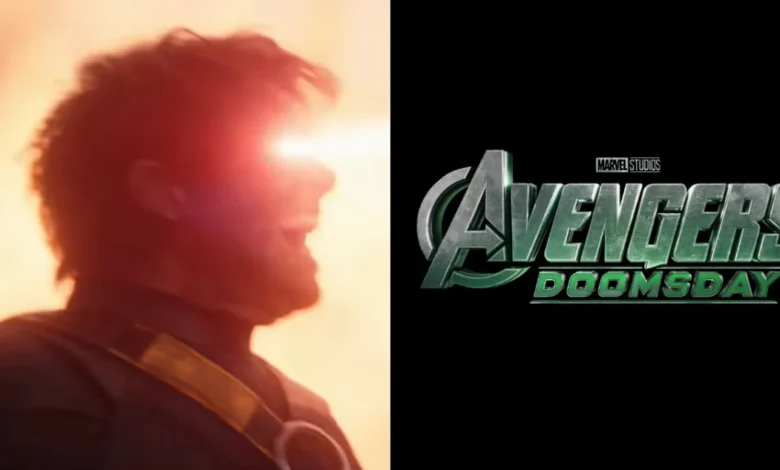
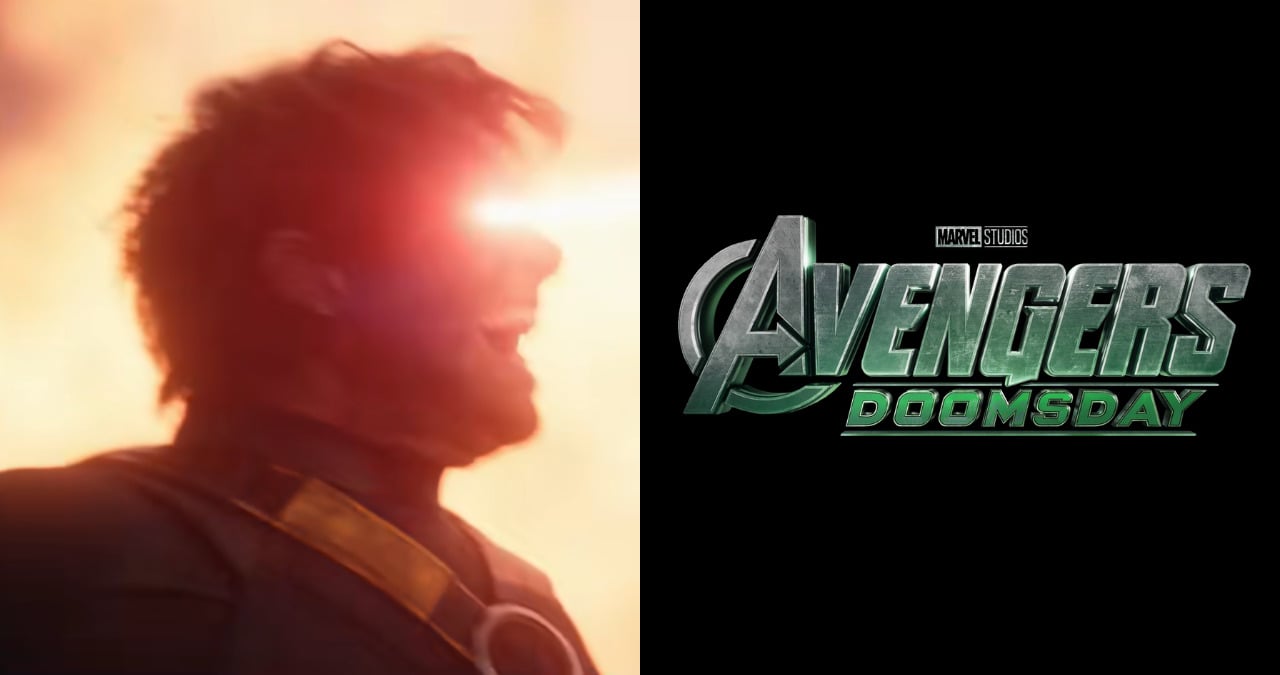
The Marvel Cinematic Universe (MCU) has entered a new phase of multiversal integration, and the recent unveiling of the trailer for Avengers: Doomsday has solidified the X-Men’s long-awaited transition into the primary Marvel film canon. Among the most discussed moments in the teaser is the return of James Marsden, who reprises his role as Scott Summers, better known as Cyclops. For fans of the original 20th Century Fox X-Men trilogy, which launched in 2000, this appearance represents a significant milestone in cinematic history, bridging the gap between early 2000s superhero cinema and the contemporary, effects-heavy MCU landscape.
A Legacy Reimagined: The Evolution of Cyclops
James Marsden’s portrayal of Scott Summers in the original X-Men films (2000–2006) was frequently characterized by a sense of missed potential. While Marsden delivered a performance that remained faithful to the stoic, leadership-oriented nature of the comic book character, the creative direction of the original trilogy often prioritized the burgeoning stardom of Hugh Jackman’s Wolverine.
In the original films, the X-Men were framed through the eyes of outsiders, with Cyclops often sidelined as the "straight man" to the more volatile and charismatic Logan. This narrative imbalance became a point of contention for longtime comic book readers who viewed Cyclops as the tactical heart and soul of the X-Men. Following the 2006 departure of director Bryan Singer, the character was famously killed off-screen in X-Men: The Last Stand, a decision that remains one of the most controversial creative choices in the history of the franchise.
The subsequent rebooted timeline, which introduced Tye Sheridan as a younger version of the character, failed to provide the long-term character development necessary to establish Cyclops as a formidable leader. Consequently, the reveal in the Avengers: Doomsday trailer—which depicts a seasoned, battle-hardened Scott Summers in classic, comic-accurate tactical gear—serves as a narrative correction that fans have requested for nearly two decades.
Technological Advancements and Production Context
During a recent interview with ScreenRant, James Marsden provided insight into the technical disparities between filming as a mutant in the early 2000s versus the current production standards of the Marvel Cinematic Universe. He noted that the experience of filming the optic blast sequences has evolved from rudimentary practical effects to sophisticated digital integration.
"When I’d do a blast, when we filmed the first movie, I’d have two rolls of film that they painted red [from my eyes]," Marsden recalled. "It felt really good. It was really special. It had been so long. To see how enthusiastic and how waiting with bated breath everyone is to see this movie, it feels good. To have that epic shot with modern technology and special effects."
This shift in production technology reflects the broader maturation of the superhero genre. In 2000, Marvel films were experimental; today, they are the backbone of a global multimedia industry. The ability to render the visceral, high-intensity power of an optic blast with current CGI allows for a level of accuracy that was previously impossible to achieve, providing the character with a cinematic weight that reflects his standing as one of the most powerful members of the X-Men.
Chronology of the X-Men Integration
The path to this moment has been long and complex, dictated by corporate mergers and legal rights. The timeline of the X-Men’s integration into the MCU can be summarized as follows:
- 2000–2020: The X-Men franchise remained under the exclusive ownership of 20th Century Fox, operating entirely independent of the MCU.
- March 2019: The Walt Disney Company officially acquired 21st Century Fox, effectively bringing the film rights for the X-Men and Fantastic Four back under the Marvel Studios umbrella.
- 2022–2024: Marvel began "planting seeds" for the inclusion of mutants, most notably through the post-credits sequence in The Marvels and the recurring appearances of legacy actors in Deadpool & Wolverine.
- December 2026: The scheduled release date for Avengers: Doomsday, which will serve as the first major ensemble feature to fully integrate the X-Men into the primary MCU conflict.
This progression demonstrates a methodical approach by Marvel Studios president Kevin Feige to ensure that the introduction of such high-profile characters feels earned rather than forced. By utilizing legacy actors like Marsden, the studio is tapping into audience nostalgia while simultaneously preparing the audience for a new, unified Marvel reality.
Implications for the Marvel Cinematic Universe
The inclusion of Cyclops in Avengers: Doomsday carries significant narrative implications for the MCU. As the Multiverse Saga reaches its climax, the arrival of mutants suggests that the "Secret Wars" storyline will likely involve a collision of realities, where the X-Men are no longer just guests in the MCU, but active participants.
Analysts suggest that Marsden’s return serves a dual purpose: it offers closure for the original X-Men fan base while providing a bridge to a new, younger iteration of the team that will likely be introduced in subsequent phases. By giving a veteran actor like Marsden a moment of "redemption" on the big screen, Marvel is signaling to its audience that it values the history of the genre, even as it pivots toward new character dynamics.
Furthermore, the character of Cyclops has historically functioned as a foil to other high-profile MCU leaders like Captain America or Iron Man. His strategic brilliance and rigid adherence to the mission objectives offer a unique contrast to the more chaotic nature of the Avengers. Should the character survive the events of Avengers: Doomsday, he could theoretically serve as the tactical architect for the next generation of MCU heroes.
Public Reception and Industry Analysis
The reaction to the trailer, particularly the brief glimpses of the X-Men, has been overwhelmingly positive. Social media metrics and viewership data indicate that the trailer generated record-breaking engagement within the first 24 hours of its release. Industry experts point to the "nostalgia factor" as a primary driver, noting that legacy casting—bringing back actors who defined roles in the early 2000s—remains one of the most effective strategies for maintaining fan interest in long-running franchises.
While there is currently no official confirmation regarding Marsden’s long-term contract status, the tone of his recent comments suggests a genuine appreciation for the opportunity to revisit a character he felt was previously underdeveloped. Whether this performance is a final "swan song" or a springboard for a larger role in future X-Men centric films, the industry consensus is that Marvel has effectively utilized its intellectual property to generate significant cultural momentum.
As the release date of December 2026 approaches, the focus will undoubtedly shift to how the X-Men interact with the primary Avengers roster. For now, the sight of James Marsden in the visor and tactical suit of Scott Summers stands as a testament to the enduring appeal of the X-Men and the evolving capabilities of modern blockbuster filmmaking. Marvel Studios has successfully bridged two generations of cinematic history, ensuring that the legacy of the original trilogy continues to inform the future of the shared universe.