The Magic That Never Was: How Patrick McGoohan, Sean Connery, and Christopher Lee Almost Played Albus Dumbledore

Casting the definitive cinematic wizard for a multi-billion-dollar literary adaptation is among the most formidable challenges in modern filmmaking. When Warner Bros. and director Chris Columbus set out to adapt J.K. Rowling’s globally beloved Harry Potter and the Sorcerer’s Stone in the late 1990s and early 2000s, the weight of public expectation rested heavily on the shoulders of whoever would portray Albus Dumbledore, the wise, eccentric, and powerful headmaster of Hogwarts School of Witchcraft and Wizardry. Before the role was ultimately secured by the late Richard Harris—whose warm, grandfatherly portrayal defined the character in the franchise’s first two installments—the studio pursued several towering figures of stage and screen.
The casting process for Dumbledore remains one of Hollywood’s most fascinating alternate timelines. Archives and retrospective accounts reveal that studio executives and casting directors initially approached a select group of legendary actors, each of whom brought a distinct pedigree, unique career trajectory, and eventual scheduling or personal conflicts that redirected the course of fantasy cinema history. Examining the trio of actors most prominently linked to the role—Patrick McGoohan, Sean Connery, and Christopher Lee—provides a comprehensive look at how the aesthetic and emotional fabric of the Harry Potter universe could have looked entirely different.
Main Facts and the Genesis of Hogwarts Casting
In the spring and summer of 2000, as pre-production on Harry Potter and the Sorcerer’s Stone accelerated under the direction of Chris Columbus, the production team faced a daunting timeline. Principal photography was slated to begin in September 2000, primarily at Leavesden Studios in Hertfordshire, England, under intense global media scrutiny. The pressure to cast foundational characters like Dumbledore, Professor McGonagall, and Severus Snape was paramount to establishing the credibility of the wizarding world.
J.K. Rowling’s source material depicted Dumbledore as a tall, thin, and very old man with a silver beard that reached his belt, piercing blue eyes behind half-moon spectacles, and a penchant for whimsical eccentricity masking profound tactical brilliance. The studio sought an actor of immense gravitas—someone capable of projecting absolute moral authority while remaining deeply approachable to young audiences.

While Richard Harris ultimately accepted the role—reportedly persuaded by his then-eleven-year-old granddaughter, who threatened never to speak to him again if he turned it down—his casting was preceded by formal inquiries and rejections from actors who represented different eras of British and international cinema.
Chronology of the Search: From Studio Shortlists to Final Selections
The timeline of the Dumbledore casting decisions unfolded alongside the rapid commercial expansion of fantasy media at the turn of the millennium.
By late 1999 and early 2000, Warner Bros. had acquired the rights to Rowling’s first four books and was eager to capitalize on the literary phenomenon. The studio’s casting directors, led by Susie Figgis, compiled a wish list of veteran actors who possessed the necessary age, theatrical background, and commanding screen presence.
- Patrick McGoohan (Early 2000): Among the initial names discussed and approached, McGoohan represented a formidable, intense style of acting. Already scaling back his workload due to advancing age and health considerations, McGoohan quietly declined the opportunity.
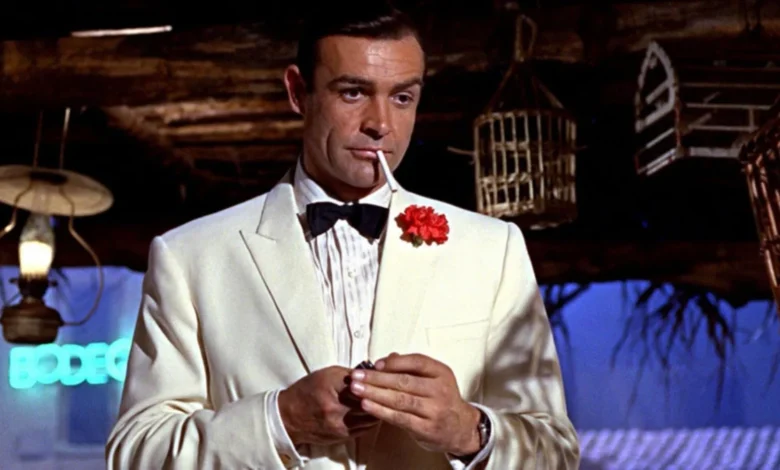
- Sean Connery (Mid-2000): As production drew closer, the studio cast a wider net to secure an A-list box-office draw. Connery was approached with a lucrative offer, which he swiftly rejected, citing a lack of interest in children’s fantasy and children’s literature adaptations.
- Christopher Lee (Mid-to-Late 2000): Lee was actively considered for the Hogwarts headmaster. However, the confluence of timing, creative alignment, and a lifelong personal passion for J.R.R. Tolkien’s works led him to decline Dumbledore in favor of portraying the corrupted wizard Saruman in Peter Jackson’s The Lord of the Rings trilogy, which was filming concurrently in New Zealand.
With these initial choices falling through, Richard Harris was cast in August 2000, bringing a fragile, poetic grace to the role until his passing in October 2002, which subsequently necessitated the recasting of Michael Gambon for the remainder of the series.
Detailed Profiles of the Alternate Dumbledores
Patrick McGoohan: The Enigmatic Veteran
Patrick McGoohan was a titan of television and film, renowned for his intense, uncompromising performances. Rising to fame in the British spy series Danger Man (known in the United States as Secret Agent) and cementing his legacy with the cult-classic 1967 surrealist series The Prisoner, McGoohan specialized in characters of formidable intellect, quiet menace, and fierce independence.
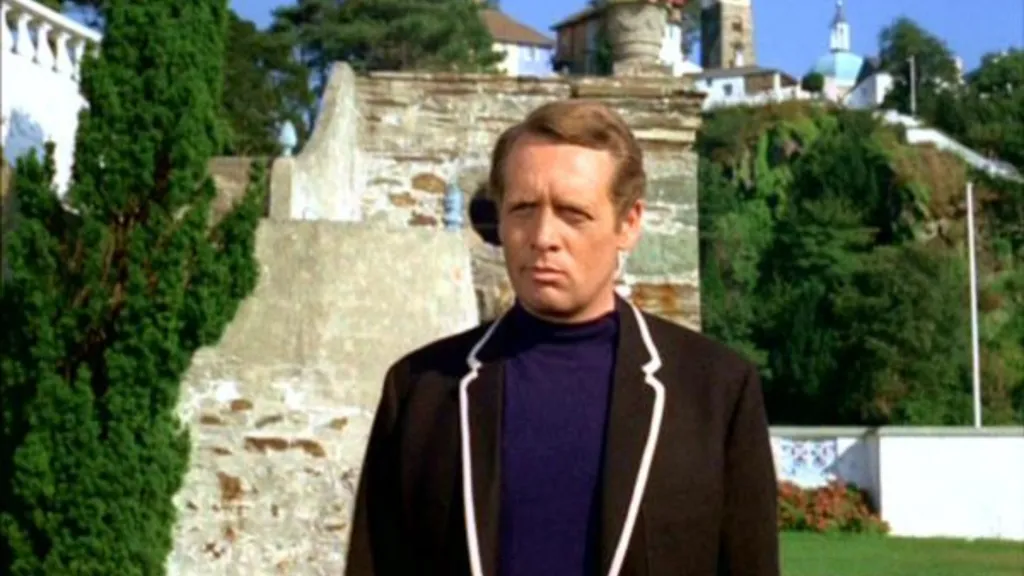
Had McGoohan accepted the role, Dumbledore likely would have possessed a sharper, more austere edge. His interpretation would have leaned heavily into the secretive, manipulative aspects of Dumbledore’s character—qualities that become much more prominent in the later books of the series. However, McGoohan’s declining health in the early 2000s precluded a rigorous film schedule, and the actor passed away in 2009. His potential casting remains a compelling "what-if" for fans of cerebral, classic television.
Sean Connery: The Hollywood Heavyweight
Sean Connery’s involvement represents the studio’s desire to anchor the fledgling franchise with an undisputed global icon. By the year 2000, Connery had spent four decades as a cinematic royalty, transitioning from James Bond to an Oscar-winning character actor in films like The Untouchables and critically acclaimed late-career turns in Finding Forrester.
Connery’s rejection of the role was rooted in artistic preference. Reports from the era indicate he simply did not understand or care for the magical genre, viewing children’s fantasy as outside his professional interests. Financially and critically secure, Connery retired from acting entirely following the troubled production of 2003’s The League of Extraordinary Gentlemen. Had he taken the role, Connery’s distinct Scottish brogue and towering macho-man persona would have transformed Dumbledore into a far more rugged, imposing patriarch, fundamentally altering the paternal warmth that Harris and later Gambon brought to the character.
Christopher Lee: The Tolkien Purist
Perhaps the most consequential near-miss in modern franchise history involved Sir Christopher Lee. With a towering six-foot-five frame, a booming, resonant voice, and a cinematic career spanning Hammer Horror classics, James Bond villains (The Man with the Golden Gun), and Star Wars (Attack of the Clones), Lee was born to play fantasy elders.
Lee was offered the role of Dumbledore but turned it down to accept the part of Saruman the White in Peter Jackson’s The Lord of the Rings: The Fellowship of the Ring. For Lee, this was not merely a career choice, but a lifelong ambition fulfilled. Lee was a dedicated scholar of J.R.R. Tolkien, having read The Lord of the Rings annually since its publication in the 1950s. Furthermore, Lee held the unique distinction of being the only member of the massive Middle-earth cast to have actually met Tolkien in person, having crossed paths with the author in an Oxford pub during his youth.
By choosing Saruman, Lee traded a Hogwarts tower for Isengard, inadvertently shaping two of the most successful cinematic fantasy universes of the 21st century simultaneously.
Broader Impact and Industry Implications
The cascading effect of these casting rejections ultimately served the entertainment industry well, preventing oversaturation of familiar faces across competing major studio franchises.
If Christopher Lee or Sean Connery had signed on for Harry Potter, the cross-pollination of blockbuster talent would have felt noticeably insular. Instead, the decision to cast Richard Harris—a veteran of classical theater and prestige cinema who was less frequently associated with commercial blockbusters—lent the early Harry Potter films an aura of literary authenticity and timeless theatricality. Harris’s portrayal established an emotional baseline that allowed the younger cast members, including Daniel Radcliffe, Emma Watson, and Rupert Grint, to anchor their performances against a seasoned mentor.
Furthermore, Lee’s choice to portray Saruman cemented his status as the definitive cinematic villain of high fantasy, while his subsequent role as Count Dooku in the Star Wars prequel trilogy further cemented his late-career renaissance.
Ultimately, the intricate dance of actor availability, personal taste, and health considerations at the turn of the millennium shaped the visual and narrative landscape of modern pop culture. While Patrick McGoohan, Sean Connery, and Christopher Lee charted paths away from the Great Hall of Hogwarts, their near-misses remain a testament to the high-stakes gamble of launching cinema’s most enduring magical franchise.