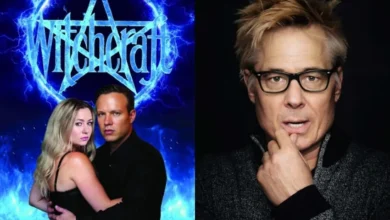
Witchcraft: The Lanterne of Light expands its cast as Kansas Bowling joins the long-running supernatural horror franchise.

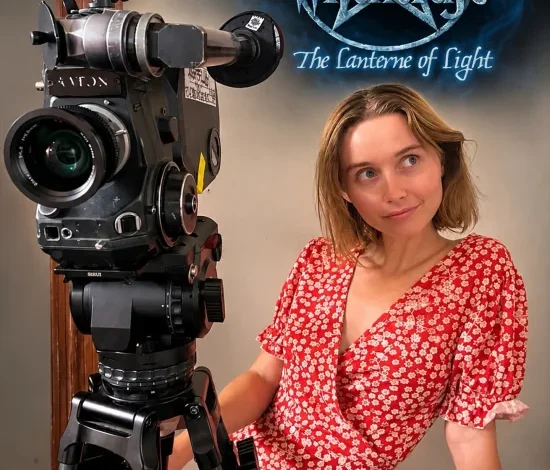
The landscape of independent horror cinema is shifting once again as Deathstalker Productions announces a significant casting development for its latest project, Witchcraft: The Lanterne of Light. Kansas Bowling, a filmmaker and actress noted for her work in Quentin Tarantino’s Academy Award-winning 2019 film Once Upon a Time in Hollywood, has officially signed on to star in the upcoming installment of one of the longest-running horror franchises in cinematic history. This strategic casting choice signals a move to blend established Hollywood recognition with the gritty, authentic aesthetic that has defined the Witchcraft series since its inception in 1988.
The Evolution of a Cult Franchise
To understand the significance of this casting, one must look at the historical trajectory of the Witchcraft series. Launched in the late 1980s, the franchise has managed to survive and evolve through multiple decades of changing trends in horror, ranging from the practical-effects-heavy slasher era to the psychological and supernatural shifts of the 21st century.
The franchise has long been a staple of the direct-to-video market, acting as a training ground for emerging talent and a sanctuary for established genre actors. With the announcement of The Lanterne of Light, Deathstalker Productions is clearly pivoting toward a modern format: the found-footage supernatural thriller. By utilizing a documentary-style, "recovered footage" narrative, the production aims to strip away the artifice of traditional filmmaking, opting instead for a visceral, immersive experience that relies on the psychological terror of the unknown.
Kansas Bowling: A Bridge Between Worlds
Kansas Bowling’s involvement serves as a bridge between the high-profile world of major studio production and the innovative, often experimental nature of independent horror. While mainstream audiences recognize her as "Blue," one of the Manson Family members in Tarantino’s 2019 epic, her roots in the horror genre run deep.
Bowling’s directorial debut, the 16mm horror film B.C. Butcher, demonstrated a penchant for subverting genre expectations and utilizing limited resources to create a distinct, lo-fi atmosphere. Her dual background as both a performer and a director is expected to bring a nuanced perspective to the set of The Lanterne of Light. Industry analysts suggest that performers with directorial experience often bring a deeper understanding of pacing and visual storytelling, which is particularly vital in the found-footage format, where the "eye" of the camera is a character in itself.
Plot Dynamics and Mythological Depth
Directed by Carissa Pierson and written by Andrew Pierson, Witchcraft: The Lanterne of Light centers on the chilling discovery of a 1409 manuscript. The title itself, The Lanterne of Light, draws from historical occult lore, suggesting that the film will delve into the darker intersections of religious history and supernatural practice.
The narrative follows a group investigating a clandestine organization identified as "The Children of the Hollow." As the investigation progresses, the recovered footage—the primary device of the film—serves as the catalyst for the unraveling of the protagonists’ sanity. By tethering the horror to an ancient text, the film attempts to ground its supernatural elements in a sense of historical dread, moving away from the purely physical threats seen in earlier franchise entries and toward a more cerebral, atmospheric form of terror.
The Found-Footage Renaissance
The decision to utilize the found-footage format in the current era of cinema is a calculated risk. After the boom of the late 1990s and 2000s, audiences have become increasingly sophisticated regarding the "shaky cam" trope. However, when executed with precision, as seen in recent successful independent horror films, the format remains one of the most effective tools for inducing genuine anxiety.
For Deathstalker Productions, the format serves multiple purposes:
- Economic Efficiency: It allows for a high degree of immersion without the need for traditional, high-budget cinematic lighting and set design, which can often detract from the "reality" of the horror.
- Authenticity: It places the viewer in the shoes of the investigators, narrowing the focus to the immediate threat.
- Franchise Rejuvenation: By adopting a new visual language, the Witchcraft series effectively resets its own rules, allowing new audiences to enter the franchise without requiring deep knowledge of the previous, often disparate, entries.
Industry Implications and Casting Strategy
The inclusion of Kansas Bowling is part of a broader strategy by Deathstalker Productions to curate an ensemble cast that bridges generations. The current production roadmap suggests an effort to pair seasoned character actors with rising stars who have a demonstrable connection to genre culture.
In an industry where horror remains the most consistently profitable genre, the ability to maintain a franchise for over thirty years is a rare feat. The Witchcraft series has survived by adapting to the market, and the current casting strategy reflects an awareness of modern audience habits. By casting individuals who have a cult following or a history of independent filmmaking, the production ensures a built-in audience that values authenticity over pure spectacle.
Chronology of Production
While specific filming dates remain closely guarded, the pre-production phase has been marked by a focus on location scouting and the sourcing of period-accurate materials, particularly those relating to the 1409 manuscript central to the plot. The transition from the script-development phase to the current casting phase indicates that the project is moving steadily toward principal photography.
The production’s timeline appears designed to maximize the impact of the found-footage style, with the directors emphasizing the importance of naturalistic performances that feel unscripted. This approach requires a cast that can maintain a high level of intensity under the pressure of continuous, long-take shots—a challenge that experts believe Bowling is well-equipped to handle given her history with the 16mm medium.
Broader Impact on Independent Horror
The rise of independent horror as a dominant force in the post-pandemic box office has created a unique environment for legacy franchises. Studios that previously relegated such titles to home video are now finding that high-concept independent horror can perform exceptionally well on streaming platforms.
Witchcraft: The Lanterne of Light is positioned to benefit from this ecosystem. The combination of a known brand name with a modern, high-concept approach provides a safety net for distributors while offering a fresh product to consumers. If this installment succeeds, it could set a precedent for how other long-running, "dormant" horror franchises are resurrected in the coming years.
A New Chapter for the Children of the Hollow
As the production moves forward, the focus remains on the synthesis of the franchise’s legacy and the new, darker tone established by the Piersons. The introduction of the "Children of the Hollow" as the primary antagonists represents a shift toward more organized, cult-based horror, which often resonates well with contemporary audiences interested in the psychological underpinnings of collective belief systems.
The addition of Kansas Bowling to this narrative framework provides the production with a recognizable face to anchor the terrifying events to come. As the "recovered footage" begins to reveal the secrets of the manuscript, the audience will be invited to witness a story that promises to be as mentally taxing as it is visually haunting.
With the cast finalized and the production gears turning, the expectation is that Witchcraft: The Lanterne of Light will not merely be another entry in a long list, but a definitive transformation of the franchise. By honoring the roots of the series while embracing the technical and narrative advancements of modern indie horror, Deathstalker Productions is betting that the audience’s appetite for the macabre remains as insatiable as ever. The history of the franchise is long, but the darkness being uncovered in this new chapter is poised to set a new benchmark for the series.