Unveiling the Scream Queen: New Feature Documentary to Chronicle the Life and Career of Horror Icon Danielle Harris

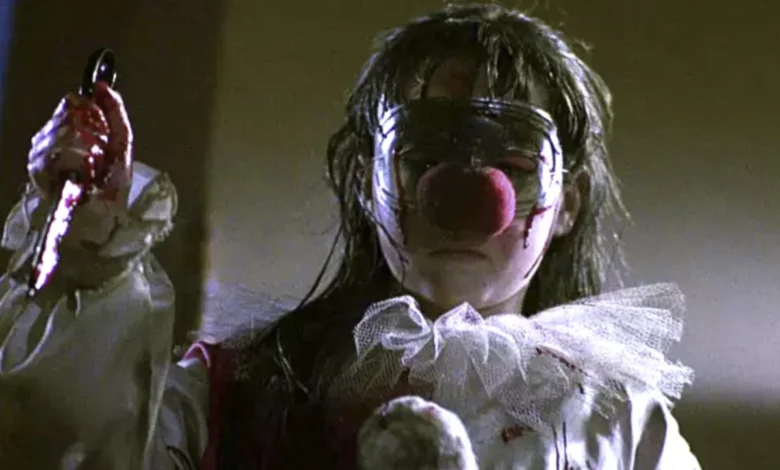
Deranged Minds Entertainment has officially greenlit and entered post-production on a comprehensive, feature-length documentary dedicated to the life, career, and enduring legacy of actress Danielle Harris. Widely celebrated as one of the modern horror genre’s defining "scream queens," Harris has maintained a commanding presence in cinema for nearly four decades. The upcoming project seeks to peel back the layers of her cinematic persona, exploring the arduous journey of a former child star who successfully navigated the volatile landscape of the entertainment industry to become an indispensable pillar of horror fandom.
The documentary is helmed by director and producer Destinie Orndoff, alongside co-director and producer Tristan Clay. Rather than functioning as a standard, surface-level retrospective, the production aims to blend extensive archival materials, rare home videos, and deeply intimate interviews with Harris herself, as well as her immediate family, close friends, and long-time industry collaborators. According to the creative team, the narrative will venture far beyond her iconic on-screen performances to examine the genuine human cost of a lifelong career spent in the public eye.

A Cinematic Legacy Forged in Terror
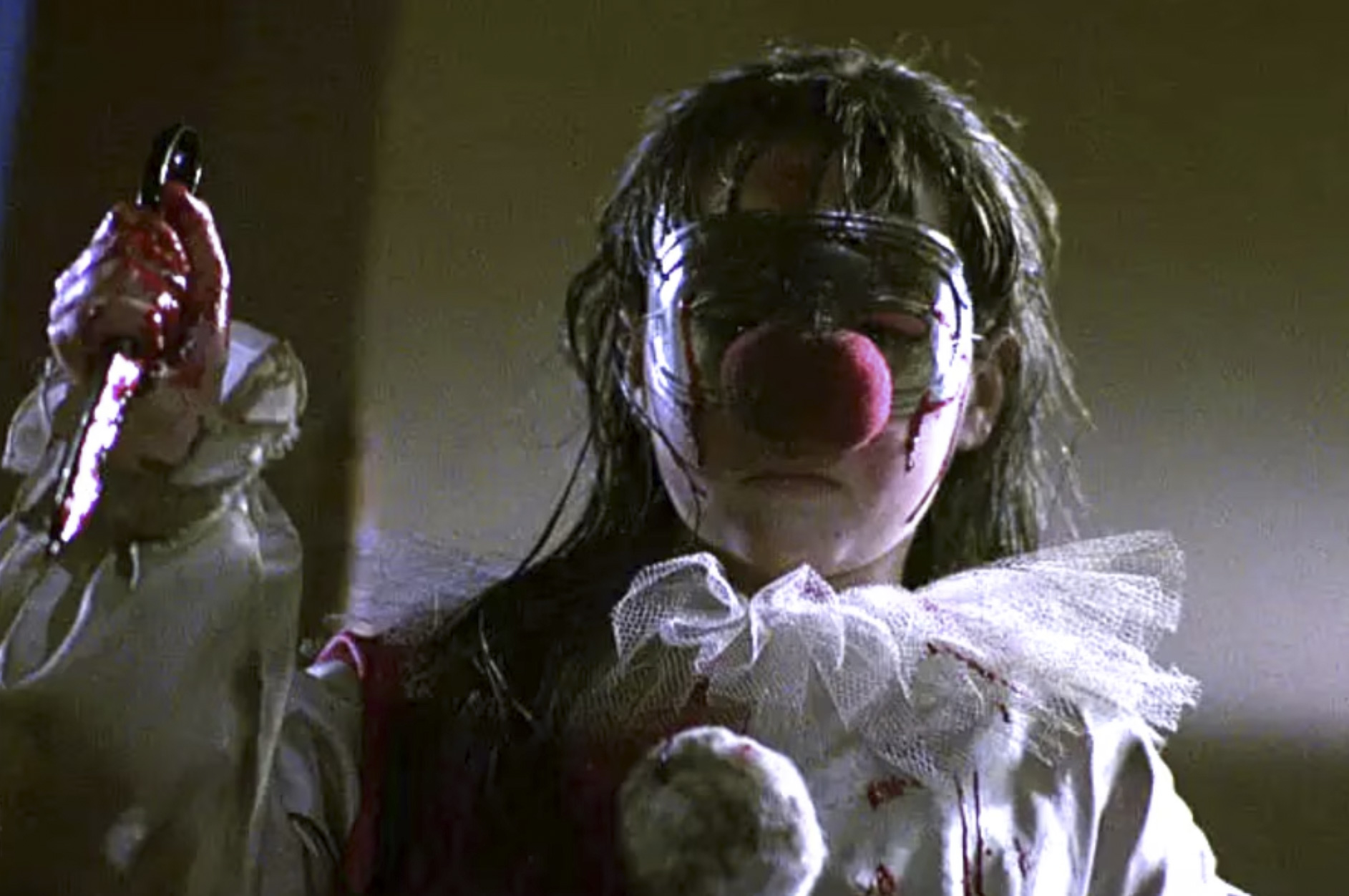
Danielle Harris’s indelible imprint on the horror genre began in childhood, cementing her status in cinematic history when she stepped into the role of young Jamie Lloyd in 1988’s Halloween 4: The Return of Michael Myers. Directed by Dwight H. Little, the film placed immense pressure on the young actress, who was tasked with carrying the emotional weight of being the orphaned niece of the infamous serial killer Michael Myers. Harris reprised the role in 1989’s Halloween 5: The Revenge of Michael Myers, a performance that further solidified her resonance within the horror community despite the tumultuous behind-the-scenes production hurdles typical of late-1980s franchise filmmaking.
Unlike many child actors who fade into obscurity or purposefully distance themselves from early genre roots, Harris embraced her niche, returning to the Halloween universe years later under the direction of musician and filmmaker Rob Zombie. In Zombie’s gritty 2007 reimagining of Halloween and its 2009 sequel, Halloween II, Harris transitioned from the hunted child to the adult character of Annie Brackett. This bridge between generations of horror filmmaking allowed Harris to cultivate a rare dual-era legitimacy, cementing her status as both a nostalgic touchstone of classic slasher cinema and a respected veteran of contemporary horror aesthetics.
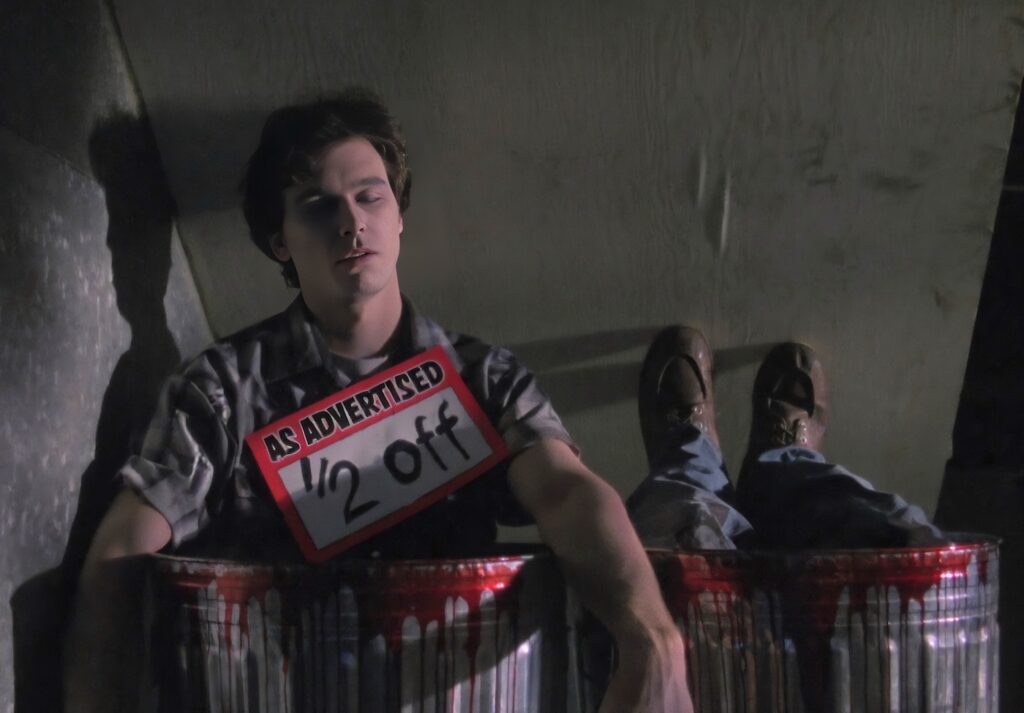
Beyond the Halloween franchise, Harris’s résumé boasts a robust catalog of genre credits, including prominent roles in Urban Legend, Hatchet II, and Stake Land, alongside a prolific career as a director in her own right. This extensive body of work has kept her at the forefront of horror culture, making her a ubiquitous and beloved fixture at horror conventions worldwide.
Delving Beyond the Screen: Unprecedented Personal Revelations
While the cinematic achievements of Danielle Harris are well-documented by enthusiasts and film historians alike, the upcoming documentary sets itself apart by confronting the severe personal trials that paralleled her professional life. Production notes indicate that the film will courageously address several dark and previously unexamined chapters of Harris’s personal history, offering audiences a raw look at the adversities she endured away from the cameras.
Among the sensitive topics explored in the documentary are the tragic and unsolved death of her father in a car accident, the profound grief resulting from the suicides of a former romantic partner and a close friend, and a harrowing two-decade ordeal involving an aggressive stalker. Furthermore, the film touches upon a life-threatening medical crisis involving a severe pregnancy complication that Harris has previously noted temporarily stopped her heart.
Note: Because these deeply personal accounts stem directly from the production’s promotional and preliminary materials, independent verification of every specific historical detail remains pending wider public release and formal journalistic corroboration.
Director Destinie Orndoff emphasized the unflinching honesty that defines the project. "People think they know Danielle because they grew up watching her," Orndoff stated. "They’ve seen the performances. They’ve never seen what it cost her, and Danielle didn’t hold anything back."
Co-director Tristan Clay echoed this sentiment, highlighting the emotional gravity of the final cut. "I can’t wait for audiences to see this side of her," Clay remarked, suggesting that the documentary will offer a paradigm shift in how fans perceive the boundary between the actress’s public persona and her private reality.

Production Timeline and Anticipated Release
As of late 2026, the untitled documentary is firmly entrenched in post-production. Deranged Minds Entertainment has structured a deliberate rollout plan, with industry insiders anticipating that the completed film will make its official debut on the international film festival circuit sometime in 2027.
The strategic choice to target film festivals prior to a wider commercial or streaming distribution suggests that the producers intend to build organic critical momentum. Given the intense devotion of the horror fandom and the cultural resurgence of deep-dive biographical filmmaking regarding 1980s and 1990s pop-culture icons, anticipation surrounding the project is exceptionally high.
Broader Implications and Cultural Context
The announcement of a biographical feature dedicated to Danielle Harris arrives at a fascinating juncture in contemporary cinema culture. In recent years, public appetite for nuanced examinations of child stardom—particularly within the historically grueling genre of horror—has shifted significantly. Documentaries examining the exploitation, psychological toll, and resilience of young performers have begun to reframe public discourse, moving away from idealized nostalgia toward a more empathetic understanding of the human beings behind iconic film roles.
Historically, horror sets—especially those operating within the independent or mid-budget spheres of the late 20th century—frequently lacked the robust psychological support systems and child-welfare infrastructures standard in modern Hollywood productions. By centering Harris’s lived experience, the documentary contributes to a broader, ongoing industry dialogue regarding the welfare of minor actors and the long-term psychological impacts of lifelong exposure to simulated violence, intense physical demands, and obsessive fandoms.

For the vast community of horror enthusiasts, the documentary promises to be more than a simple celebration of a beloved scream queen; it stands to offer a sobering, deeply human testament to resilience. As the project prepares for its 2027 festival run, it invites audiences to look past the iconic imagery of blood-soaked corridors and masked killers to witness the unvarnished reality of a woman who survived the spotlight, reclaimed her narrative, and permanently cemented her place in cinematic history.