Director Craig Singer Wraps Postproduction on Psychological Thriller The Block Featuring Jack Falahee and Jackie Earle Haley

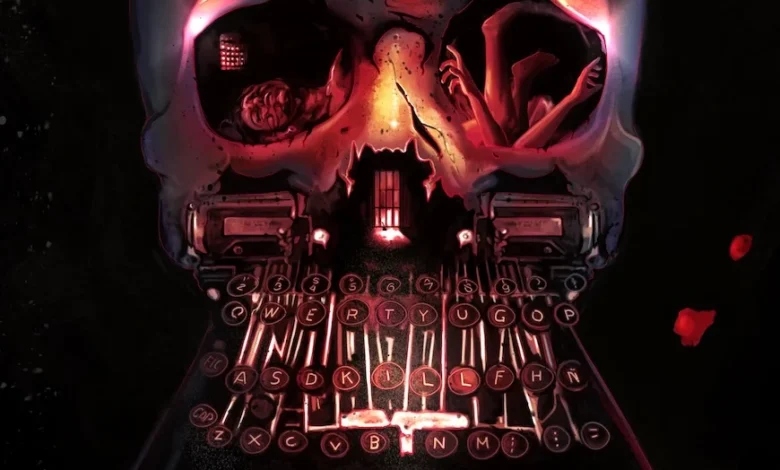
Postproduction has officially concluded on The Block, the latest psychological chiller directed by Craig Singer, who is well-known within the genre for his work on previous feature films such as Dark Ride and Perkins’ 14, as well as the thriller 6:45. Written by Robert Dean Klein, the new film explores the darker intersections of artistic obsession, psychological deterioration, and modern isolation. While principal photography and final sound and visual mixing have wrapped, distributors have not yet announced an official premiere date for the feature.
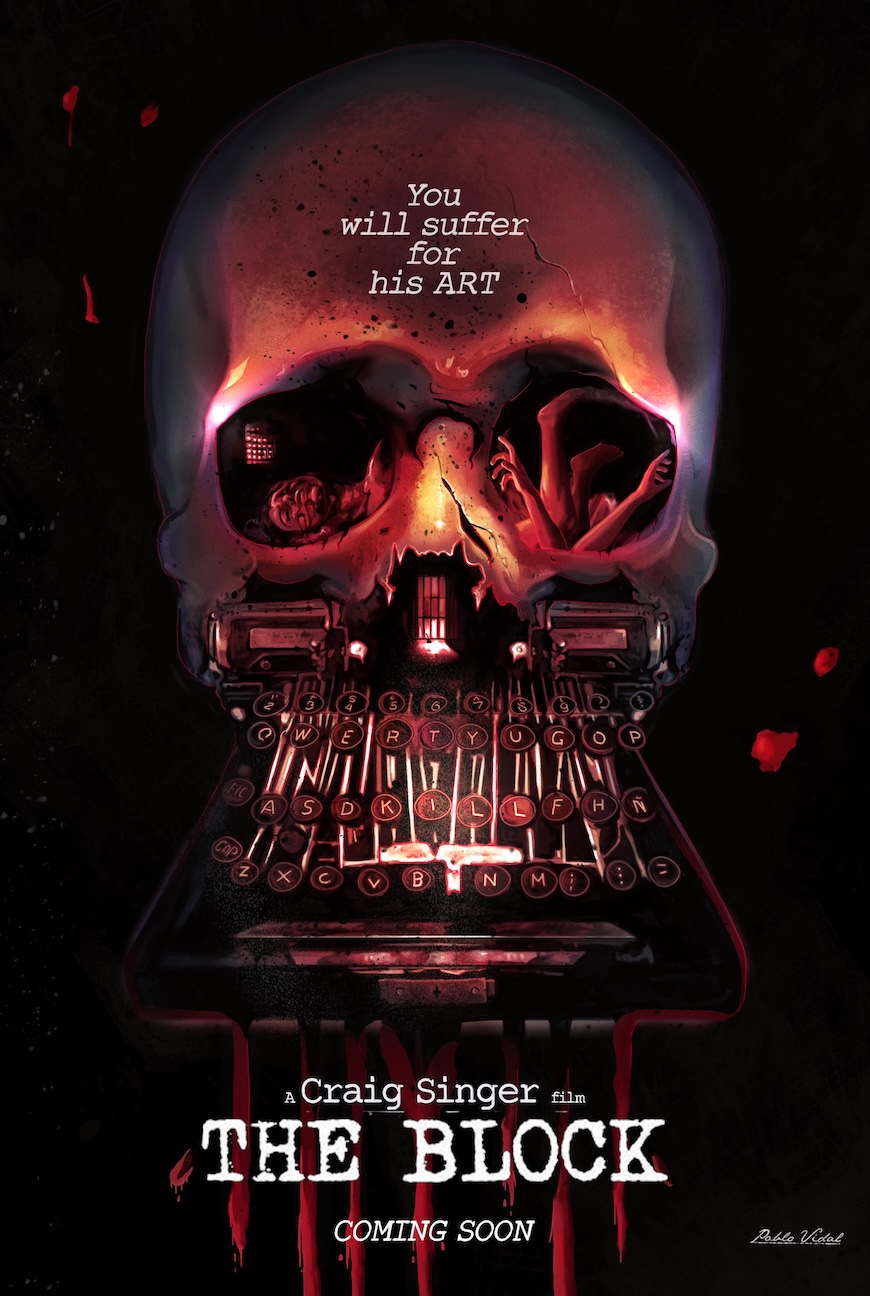
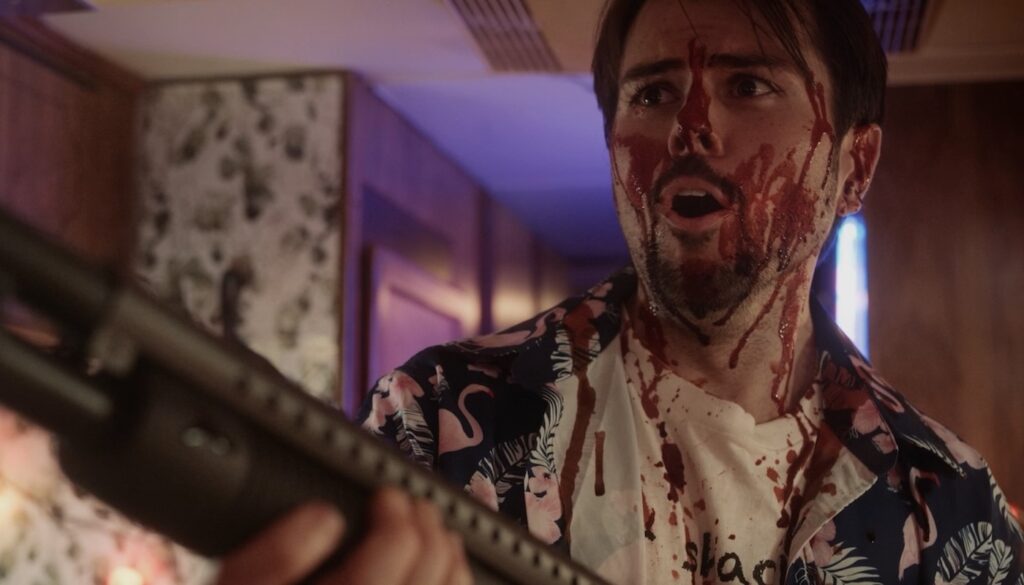
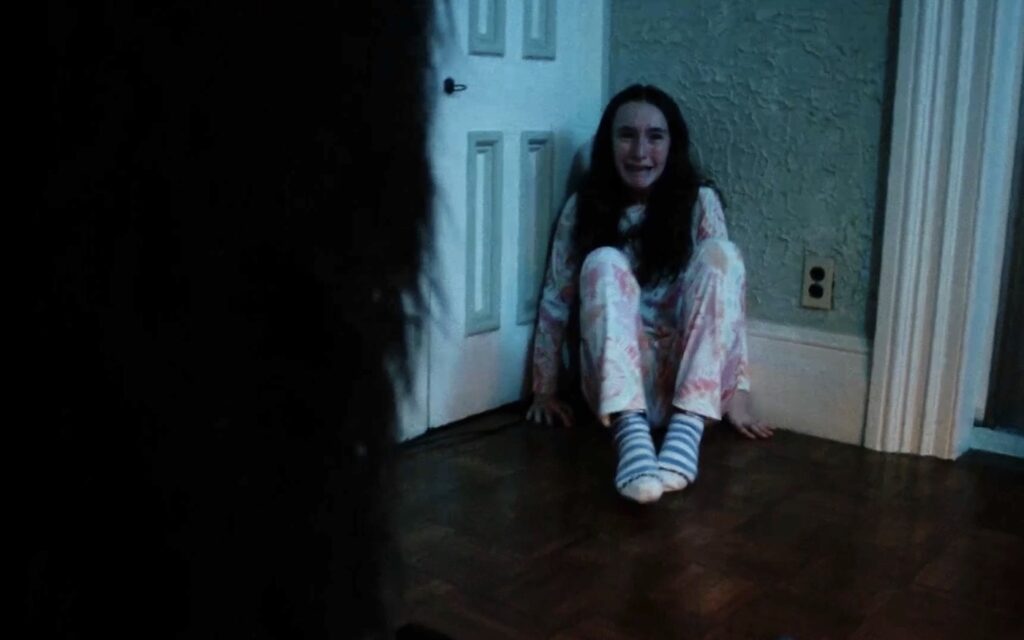
The Block boasts a notable ensemble cast blending seasoned veterans of psychological horror and mainstream drama. Tony Award winner Jack Falahee takes on the lead role of Mitch James, a successful horror author whose career trajectory hits a terrifying wall. Saphira Moran stars opposite Falahee as Natalie, an enthusiastic admirer whose transition from fan to romantic partner carries lethal consequences. The supporting and character ensemble features an array of recognizable names, including Thomas G. Waites, best known for his role in John Carpenter’s The Thing; Jackie Earle Haley, recognized for his iconic portrayal of Freddy Krueger in the A Nightmare on Elm Street remake; Catherine Corcoran of Terrifier; Chris Noth; Carrie Jo Crosby; Armen Garo; Michael Rodrick; and Elias Koteas, celebrated for his work in The Prophecy.

Production Background and Development Timeline
The genesis of The Block spans a prolonged development period, reflecting Singer’s deliberate approach to crafting a narrative that transcends traditional genre tropes. According to the filmmaker, the conceptual foundation of the project has been in motion for many years, shaped by ongoing discussions regarding the sacrifices artists are compelled to make to secure their creative output and enduring legacies.
While the core premise was conceived prior to the rapid societal shifts of the 2020s, Singer notes that the themes of the screenplay have gained heightened urgency. The intersection of art, commercial pressure, and the human psyche forms the backbone of the narrative arc, positioning the film not merely as a traditional scare-fest, but as a deliberate examination of the creative process pushed to its absolute breaking point.
Narrative Premise and Thematic Exploration
At its core, The Block follows the downward spiral of Mitch James, a celebrated horror writer who finds himself at the absolute peak of his professional success. However, validation and acclaim quickly give way to a severe psychological crisis when James experiences a profound and debilitating case of writer’s block. As the blank pages pile up and public pressure mounts, his personal life begins to unravel with the introduction of Natalie, played by Moran. What begins as an innocent relationship with an adoring fan quickly mutates into a suffocating, obsessive dynamic that threatens his safety and sanity.
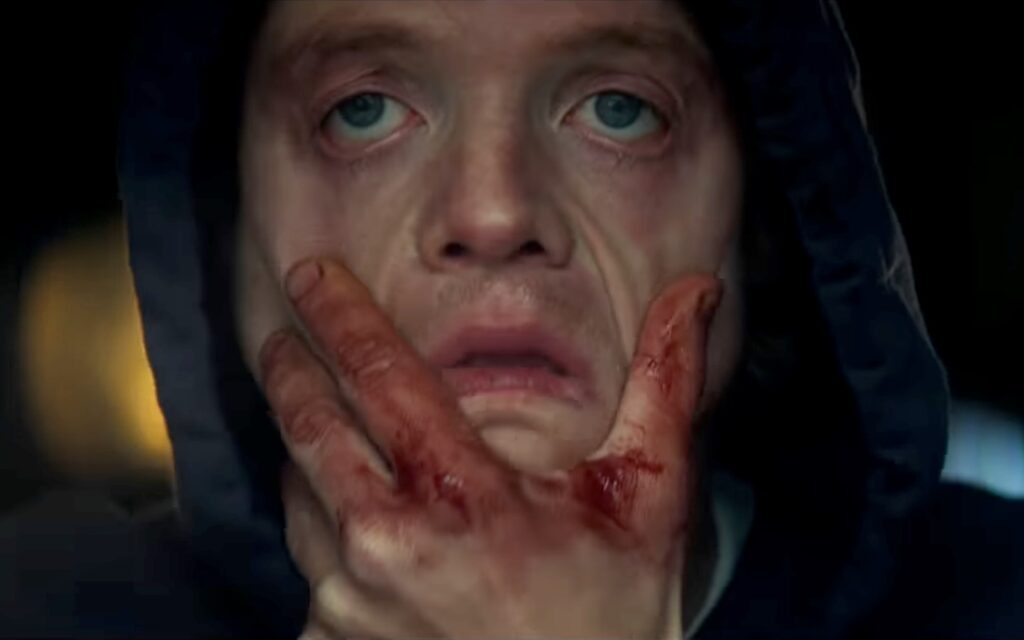
Rather than relying on conventional supernatural elements or standard cinematic jump scares, Singer has positioned The Block as a psychological fable tailored to contemporary anxieties. The narrative examines how modern pressures on artists—ranging from algorithmic saturation to the relentless demand for intellectual property output—can distort personal relationships and push creators toward catastrophic decisions.
Industry Context and Technological Relevance
The completion of The Block arrives at a critical juncture for the independent horror and thriller market. In recent years, psychological thrillers that tackle the meta-narrative of creation and obsession have found a receptive audience among both arthouse and mainstream demographics. Furthermore, Singer points out that the timing of the film aligns with broader cultural conversations surrounding the role of human artistry versus emerging technological landscapes.
As creators across various mediums navigate an increasingly automated and AI-driven creative economy, the foundational questions raised by The Block—specifically, what an individual is willing to sacrifice for originality and legacy—resonate with modern anxieties. By grounding the horror in the intimate, claustrophobic dynamic between a struggling author and an unstable partner, the filmmakers attempt to bridge high-concept philosophical questions with visceral, character-driven storytelling.
Cast Dynamics and Genre Pedigree
The inclusion of a diverse and accomplished cast signals an ambition to elevate the psychological tension of the material. Jack Falahee, transitioning from acclaimed theatrical and television work into the psychological thriller space, brings a dynamic intensity to the unraveling protagonist. Meanwhile, the presence of genre staples like Jackie Earle Haley and Thomas G. Waites anchors the production within the rich traditions of cinematic suspense and horror.

Supporting performances by Elias Koteas and Chris Noth further round out an ensemble designed to create a densely populated, paranoid world around James and Natalie. The synergy between Singer’s directorial style—honed across multiple thrillers—and Klein’s script is expected to deliver a tightly wound cinematic experience.

Future Outlook and Distribution Expectations
With postproduction officially wrapped, attention now turns toward the festival circuit and prospective distribution deals. Given the pedigree of the cast and the director’s established track record, industry analysts anticipate competitive interest from specialty genre labels and streaming platforms alike.
While fans of Singer’s previous work await a definitive release calendar, the completion of The Block marks the successful transition of a long-gestating passion project into a finished feature film. As marketing materials and early promotional stills begin to circulate, the genre community continues to monitor developments regarding where and when Mitch James’s deadly descent into writer’s block will make its worldwide debut.