Joe Lynch-Produced Horror Feature Dead Media Hits U.S. Theaters on Special Roadshow Tour Featuring Writer-Director Joseph Scrimshaw

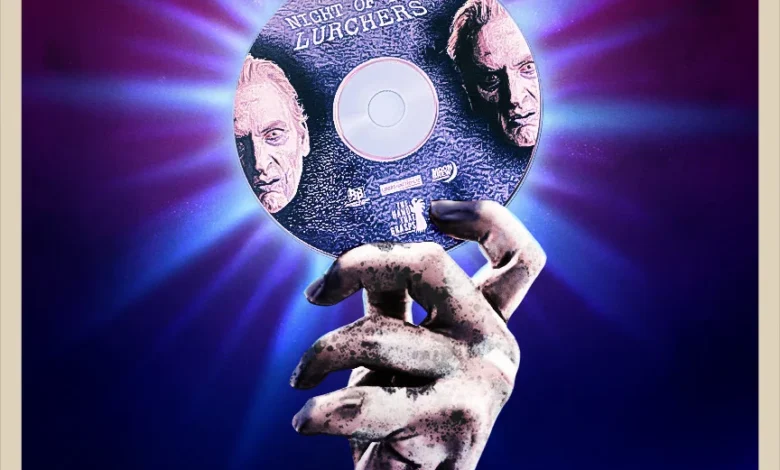
The resurgence of physical media as a thematic focal point in contemporary genre cinema has taken a new, terrifying turn with the theatrical release of Dead Media. Executive produced by Joe Lynch, widely recognized for his work on Wrong Turn 2 and Suitable Flesh, the horror feature is currently making its way across the United States via a specialized theatrical roadshow tour orchestrated by Antenna Releasing.
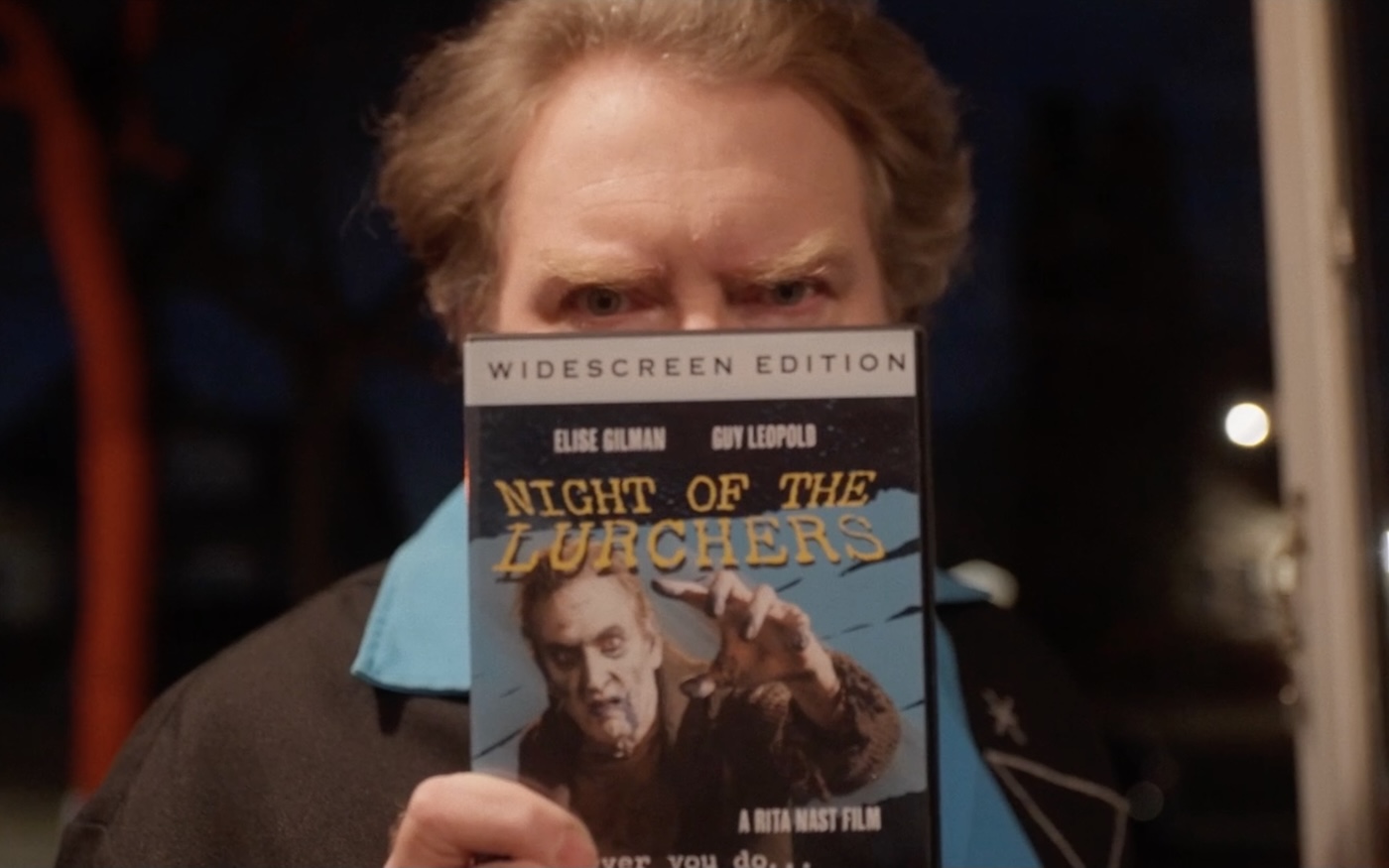
The film introduces audiences to a world where nostalgia for analog entertainment curdles into visceral terror. Blending elements of the supernatural with a commentary on the fleeting nature of digital accessibility, Dead Media places physical media squarely at the center of its narrative conflict. To support the rollout, writer and director Joseph Scrimshaw—whose background spans comedy writing for Adult Swim and Rifftrax—is accompanying the picture on the road, engaging audiences with live question-and-answer sessions following screenings.
Plot and Premise: The Curse of Night of the Lurchers
At the heart of Dead Media is a deceptively simple premise that taps into the universal ritual of movie night. The story centers on Maggie, a troubled young woman portrayed by Sammi-Jack Martincak, who attempts to unwind by hosting a cinematic evening with her two best friends. Seeking something out of the ordinary, the trio scrolls through various streaming libraries in search of a lost piece of 90s horror cinema: a cult-classic title known as Night of the Lurchers.
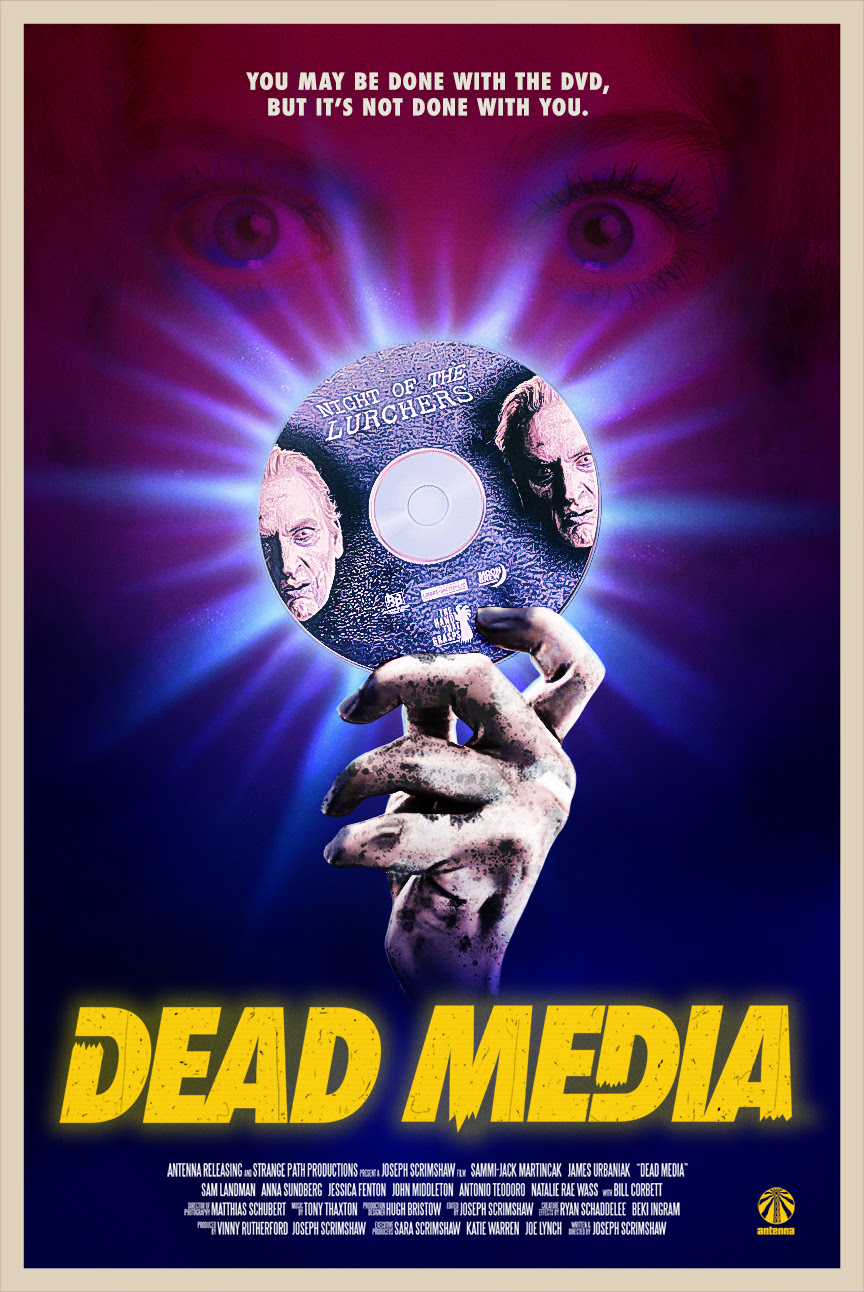
However, modern digital platforms prove fickle, leaving the friends empty-handed and frustrated. The narrative shifts abruptly with the arrival of Maggie’s eccentric, lonely uncle, a dedicated super-fan who arrives bearing a physical copy of the film on DVD. Eager to experience the movie in its intended format—complete with the expansive, blood-soaked bonus features typical of specialty physical releases—the group pops the disc into the player.
They quickly realize, however, that the disc harbors more than just behind-the-scenes featurettes and director commentaries. The physical media is haunted. As the plot of Night of the Lurchers unfolds on screen, its fictional horrors begin to bleed out of the television monitor and materialize directly inside the living room, forcing the characters to fight for their lives against the very analog artifact they sought to enjoy.

Alongside Martincak, the film features an ensemble cast that includes James Urbaniak, Sam Landman, Jessica Fenton, and Anna Sundberg. Their performances ground the supernatural elements in the relatable dynamics of friends trapped in an increasingly claustrophobic and lethal environment.
The Creative Force Behind the Lens
The film’s production pedigree brings together notable veterans of independent and genre filmmaking. Joe Lynch’s involvement as executive producer lends the project substantial horror credibility. Lynch has built a career on practical effects appreciation, genre-savvy storytelling, and high-energy direction, making his support of a film about tactile media a natural fit.
For Joseph Scrimshaw, Dead Media represents a transition into narrative feature filmmaking that combines his comedic timing with a genuine reverence for horror tropes. Scrimshaw’s extensive career in comedy writing, notably with Rifftrax and Adult Swim, has given him a sharp awareness of pop culture consumption habits. By focusing the film on the rituals of movie-watching, the director explores how fans interact with the media they love, even when that media turns against them.
Antenna Releasing, the distributor steering the project, opted for an unconventional distribution strategy by launching the film via a targeted roadshow tour rather than relying solely on wide theatrical multiplexes or immediate streaming availability. This approach mirrors the grassroots distribution models historically used for independent horror and cult films, allowing the filmmakers to build direct connections with genre enthusiasts through in-person engagements.
The Cultural Significance of Physical Media in Modern Horror
The release of Dead Media arrives at a fascinating cultural crossroads for film consumption. In an era dominated by subscription streaming services, algorithmic recommendations, and the gradual disappearance of digital purchases from virtual storefronts, physical media—VHS tapes, DVDs, and 4K UHD discs—has transitioned from an obsolete format to a symbol of cinephile preservation.
For many horror fans, physical media represents tangible ownership and security against the unpredictable licensing agreements that frequently cause films to vanish from streaming platforms overnight. Movies about cursed objects have long been a staple of the genre—from videotapes in The Ring to haunted gaming consoles and mobile applications in more recent digital-age chillers. Dead Media updates this subgenre by weaponizing the very format that collectors use to protect their favorite films from digital erasure.
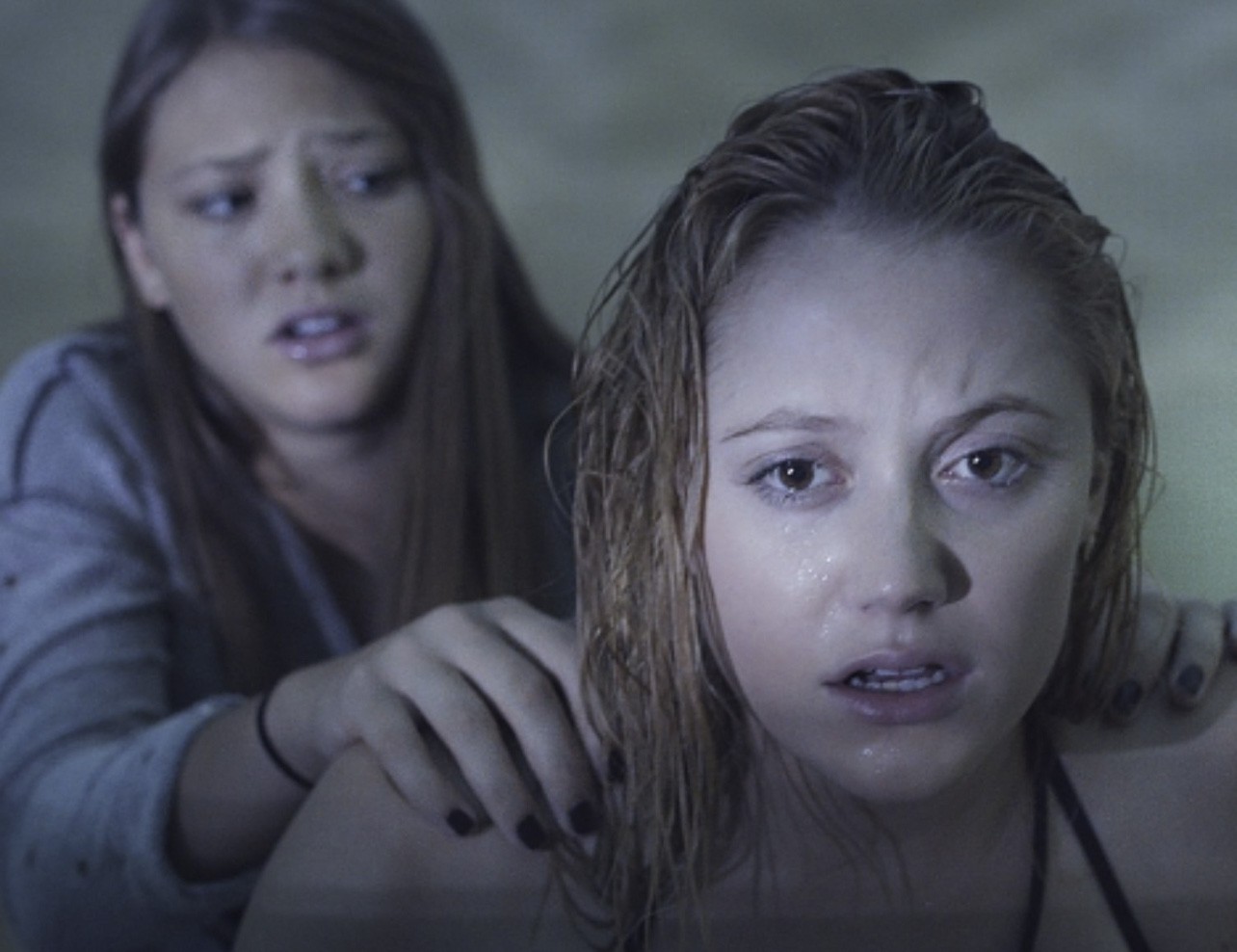
By making the physical disc itself the source of the curse, the film plays on the anxieties of the modern collector. The inclusion of special features—often cited by physical media enthusiasts as the primary reason to purchase physical discs—is weaponized within the narrative, suggesting that digging too deeply into the bonus content of an obscure release can summon forces best left undisturbed.
The Roadshow Experience and Audience Engagement
The decision by Antenna Releasing to pair the theatrical screenings with live Q&A sessions featuring Joseph Scrimshaw highlights a growing trend in independent distribution: turning moviegoing into an event rather than a passive viewing experience. In-person Q&As give audiences an opportunity to unpack the inspirations behind the film, discuss the practical challenges of capturing 90s aesthetics on screen, and celebrate the communal aspect of watching horror in a crowded theater.
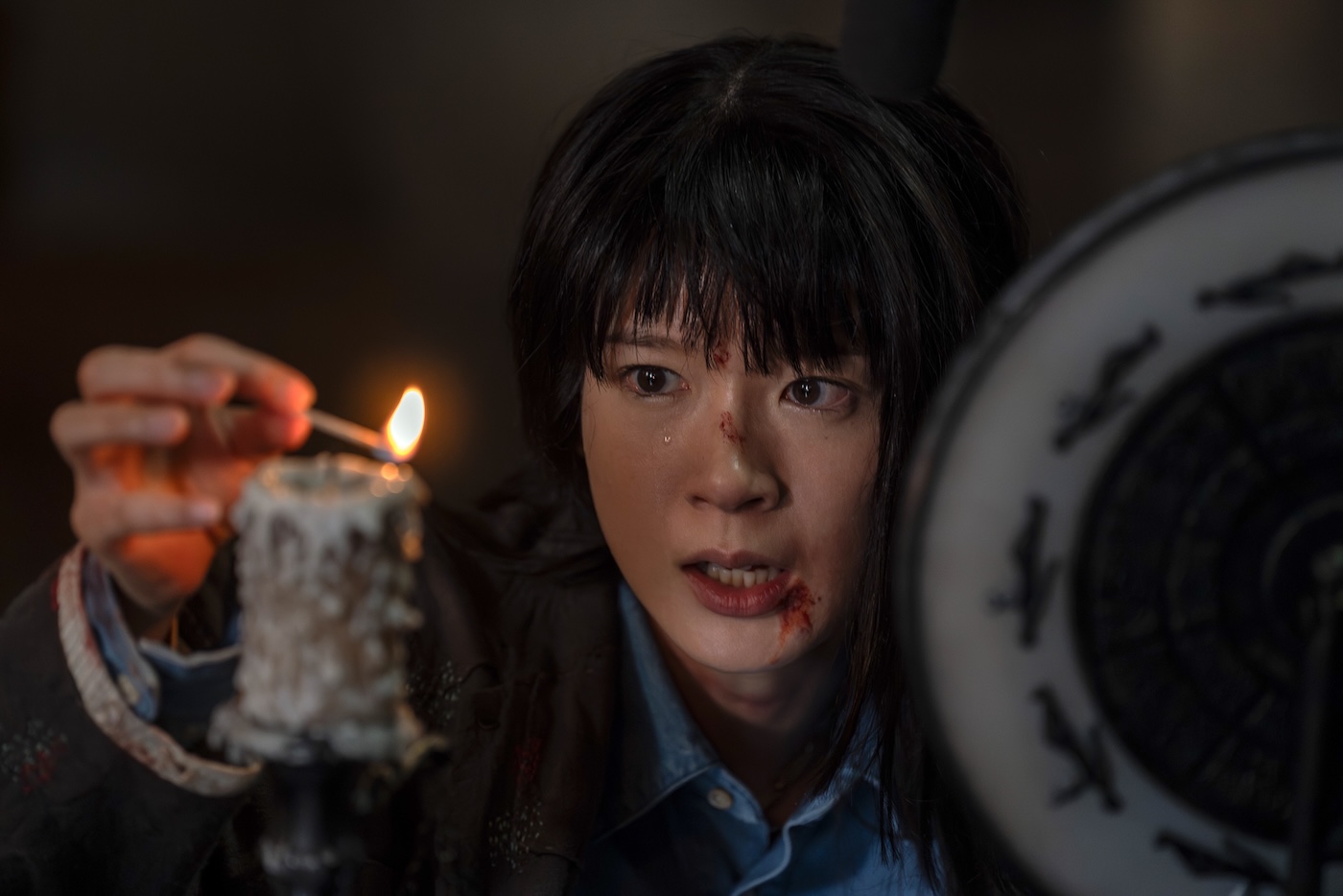
As the roadshow continues its journey across U.S. cities, the combination of Scrimshaw’s comedic background and the film’s high-stakes premise has drawn curiosity from genre critics and independent film enthusiasts alike. The tour serves as both a promotional vehicle for the film and a celebration of the community-driven culture that surrounds physical media collecting.
Broader Implications for Independent Genre Distribution
The rollout of Dead Media offers a case study in how independent filmmakers can carve out space in a crowded marketplace dominated by major studio franchises and massive streaming conglomerates. By leaning into niche themes—such as the love of physical media and deep-cut 90s horror aesthetics—projects like Dead Media are able to cultivate dedicated audiences through direct engagement.
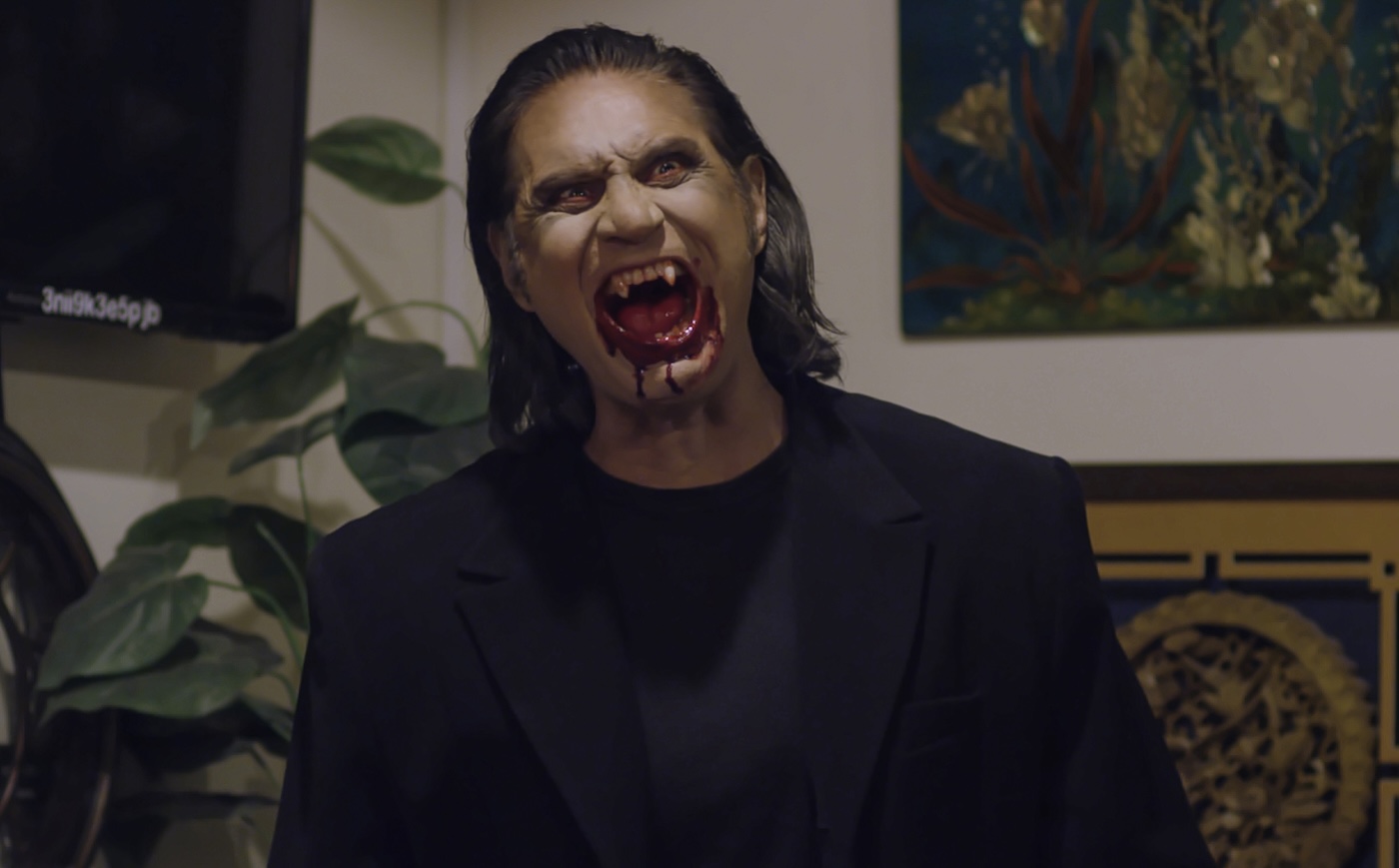
Furthermore, the involvement of established genre figures like Joe Lynch demonstrates a supportive ecosystem within the independent horror community, where seasoned directors frequently lend their names and expertise to champion daring new voices. As distribution models continue to evolve, the success of specialized roadshow tours suggests that theatrical exhibition still holds immense value when paired with a strong community focus and a clear thematic identity.
For horror fans weary of the ephemeral nature of digital content, Dead Media serves as both a cautionary tale and a love letter to the tangible artifacts of cinema history. Whether audiences view the film from the comfort of a theater seat or look at their own DVD shelves with newfound suspicion, the message is clear: sometimes, the media you consume ends up consuming you right back.
Related posts: