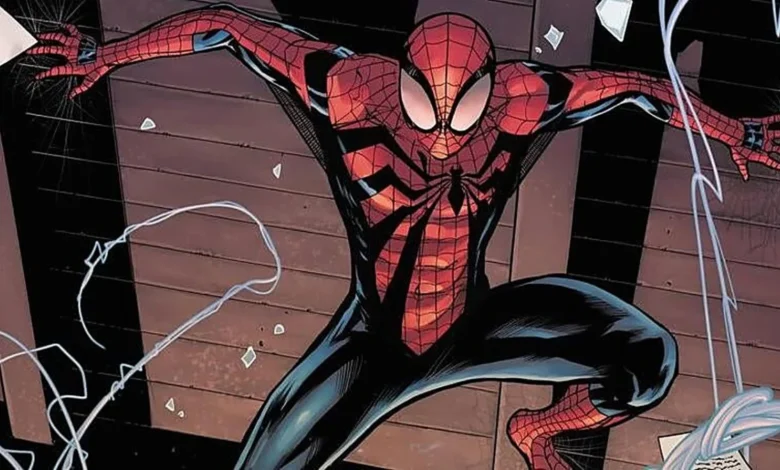
Sony Pictures Television is expanding its extensive live-action television slate tied to the Spider-Man intellectual property with a brand-new project centering on one of the most polarizing and complex storylines in comic book history: The Clone Saga. According to industry reports, the upcoming series will bypass a direct, overarching adaptation of Peter Parker’s decades-long continuity in favor of focusing heavily on the second major Clone Saga arc. This iteration specifically zeroes in on the dynamic between Ben Reilly and Kaine Parker, two genetically engineered clones of Spider-Man who must navigate their identities, superpowers, and complex mutual animosity.
The announcement has naturally drawn skepticism from long-time comic book enthusiasts and industry analysts alike. The original Clone Saga is frequently cited by historians and fans as one of the most convoluted, dragged-out narratives in Marvel Comics’ sprawling 64-year history. However, industry trends indicate that unlikely source material—when handled with creative discipline and a focused character study—can yield critically acclaimed television. This phenomenon was recently observed with DC and HBO’s Lanterns series, as well as Sony’s own Spider-Noir adaptation, proving that seemingly messy or restrictive premises can be successfully translated into compelling prestige television when filtered through a grounded narrative lens.
Origins and History of the Infamous Clone Saga
To understand the weight of Sony’s new television endeavor, one must examine the chaotic origins of the source material. The original Clone Saga ran relentlessly across nearly every Spider-Man monthly title from October 1994 through December 1996. The multi-year event was primarily born out of an editorial mandate from Marvel Comics during the mid-1990s.
At the time, the editorial board at Marvel grew increasingly dissatisfied with the narrative status of their flagship character. Peter Parker had grown into full adulthood, married his long-time partner Mary Jane Watson, and was actively expecting a child. Editorial leadership feared that a permanently settled, family-man Peter Parker aged out the demographic they believed drove comic book sales. Seeking a clean slate without resorting to drastic supernatural or reality-altering resets, the editorial team looked back to a popular 1970s single-issue storyline in which Spider-Man battled an exact genetic duplicate of himself.
In the original 1970s story, the clone seemingly perished in a smokey laboratory explosion, allowing the original Peter Parker to return home and resume his normal life. The 1990s Clone Saga boldly retconned this resolution. The narrative posited that the man who walked out of that fire two decades prior was actually the clone—who genuinely believed he was the real Peter Parker—while the actual Peter Parker suffered from severe amnesia, wandering the country for years before finally reclaiming his identity.
Chronology of Publication Turmoil and Fan Backlash
The execution of the 1990s event quickly devolved into an editorial nightmare. Initially, Marvel planned a seamless transition: the clone would discover his true nature, adopt the moniker Ben Reilly, dye his blond hair, and relocate to the West Coast with Mary Jane to start a family, effectively relinquishing the mantle of Spider-Man. The original Peter Parker would then step back into the spotlight unburdened by domestic responsibilities.
However, the comic book readership fiercely rejected the substitution of their long-time hero. Facing widespread fan backlash and plummeting morale among creative teams, Marvel editorial repeatedly intervened, forcing writers to alter the storyline on the fly. Plot threads multiplied exponentially, introducing multiple false leads, mysterious masterminds, and convoluted fake-outs.
By the time the saga concluded in late 1996, the creative direction had effectively circled back to the status quo: Marvel confirmed that the original Peter Parker was indeed the genuine article all along. Ben Reilly, meanwhile, retained a permanent place in the mythos, adopting the identity of the Scarlet Spider. Over the ensuing decades, Ben Reilly’s publication history became defined by a continuous cycle of tragic demises and miraculous resurrections, cementing his status as a polarizing figure within Marvel continuity.
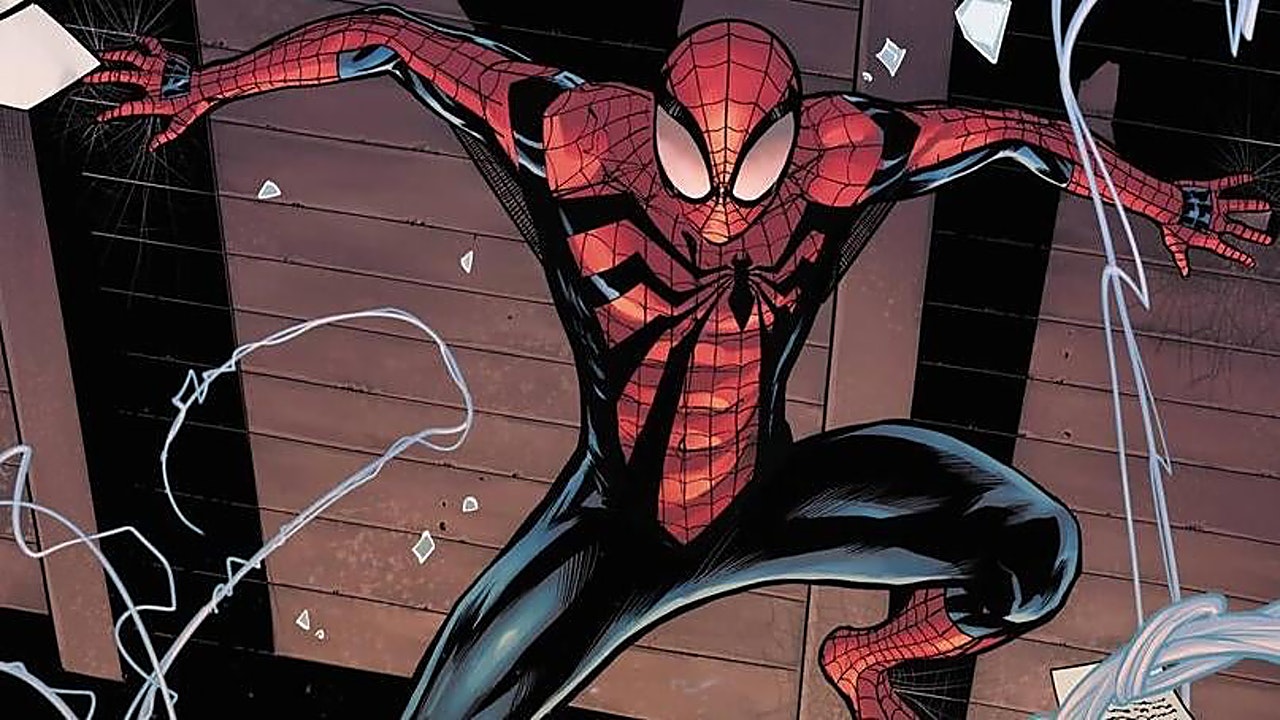
Introducing the Clones: Ben Reilly and Kaine Parker
The upcoming Sony television series will reportedly concentrate on the interactions between Ben Reilly and Kaine Parker, narrowing the scope away from the sprawling, multi-title chaos of the comics. Kaine Parker was introduced midway through the original Clone Saga as the very first failed clone of Peter Parker.
Unlike the heroic inclinations of Peter or the well-meaning, albeit troubled, nature of Ben Reilly, Kaine was written as a deeply flawed, psychologically fractured anti-hero. Suffering from cellular degeneration that left his body heavily scarred and deformed, Kaine possessed a darker disposition alongside a unique suite of abilities, including the capacity to inflict severe thermal burns through physical contact—a power he frequently weaponized against underworld adversaries.
Over the past two decades, both Ben Reilly and Kaine have evolved from embarrassing relics of a troubled publishing era into accepted, enduring pillars of the broader Spider-Man mythos. Both characters have headlined multiple solo series and played pivotal roles in multiversal crossover events like Spider-Verse, providing modern writers with a rich sandbox of psychological and interpersonal conflict.
Precedent for Success: Learning From Past Adaptations
Sony’s decision to adapt such a notoriously difficult narrative arc is bolstered by recent studio precedents in the superhero television landscape. The television industry has increasingly demonstrated that risky, unconventional properties often yield the most innovative results when creators are given the freedom to strip away decades of bloated comic book continuity.
A prime parallel can be found in Sony’s handling of Spider-Noir. Despite initial doubts over how to adapt a stylized black-and-white comic book protagonist into a live-action television format without leaning entirely into the overt comedic stylings of Nicolas Cage’s film performances or retaining the gritty, hyper-violent noir conventions of the print source material, the series ultimately emerged as a thematically rich and critically praised production.
Similarly, DC’s television strategy with Lanterns faced intense initial scrutiny following the release of early promotional material. Skeptics questioned the grounded aesthetic choices, the minimization of cosmic elements, and the departure from traditional space-cop tropes. Yet, as the series progressed toward its season finale, it won over skeptical audiences by prioritizing intimate character work, interpersonal friction, and strong investigative storytelling over hollow visual spectacle.
Industry Implications and Strategic Outlook
The development of a Clone Saga series signals a strategic shift in how major studios approach secondary characters within massive superhero franchises. Rather than attempting to force tertiary figures into traditional feature-film blockbusters, studios are utilizing streaming and television platforms to explore niche, character-driven narratives that allow for deeper psychological exploration.
For Sony Pictures Television, which holds the live-action rights to hundreds of characters tied to the Spider-Man universe, creating a serialized drama around two clones grappling with their existence offers a distinct tonal advantage. By narrowing the focus to Ben Reilly and Kaine Parker—two individuals engineered for a specific purpose, forced to define their own humanity while harboring deep resentment toward one another—the series mirrors the structural successes of character-driven genre television.
While the historical baggage of the 1990s comic book event remains a cautionary tale within the publishing industry, the television adaptation enters production with the distinct advantage of hindsight. By cherry-picking the strongest emotional beats of the narrative while discarding the convoluted editorial mandates of the past, Sony has the opportunity to transform a legendary comic book misfire into a compelling, high-stakes television drama.
Related posts: