Sonny Boy: A Deep Dive into Madhouse’s Acclaimed Yet Underrated Isekai That Redefines Genre Conventions

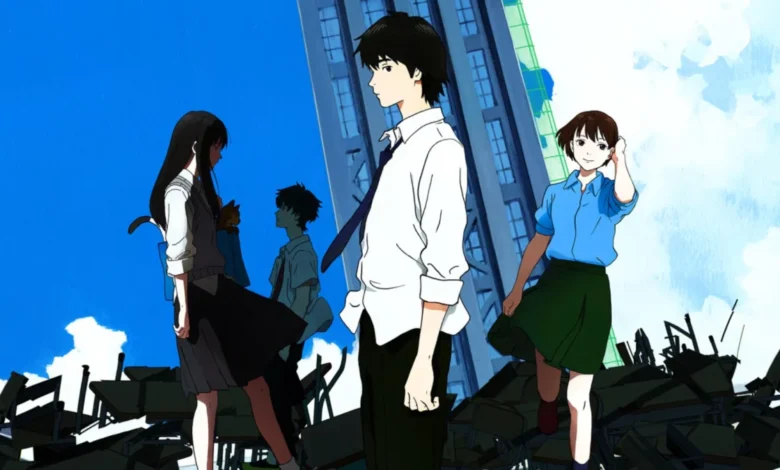
The isekai genre has long held a prominent, if sometimes formulaic, position within the global anime industry. Characterized primarily by protagonists who are reincarnated or transmigrated into fantasy worlds, often imbued with supernatural powers, the genre frequently explores themes of adventure, power fantasy, and escapism. While these action-oriented narratives, featuring overpowered heroes navigating fantastical landscapes, undeniably represent a significant facet of isekai’s appeal, the genre’s true breadth and complexity extend far beyond these common tropes. As the anime industry experiences exponential growth and diversification annually, a new wave of unique narratives and innovative plotlines is continually being introduced, challenging established conventions and pushing artistic boundaries. At the forefront of this creative evolution stands Studio Madhouse, an animation powerhouse established in 1972, renowned for its consistent adaptation of a vast array of anime series and films across diverse genres, consistently employing distinctive and unique art styles that set its productions apart.
While recent successes like Frieren: Beyond Journey’s End have solidified Madhouse’s mainstream popularity in the 2020s, earning widespread critical and commercial acclaim, the studio’s extensive filmography includes numerous other highly regarded productions. Among its most celebrated works are iconic titles such as Parasyte: The Maxim, the psychological thriller Death Note, and the long-running shonen epic Hunter x Hunter. These works, alongside many others, have cemented Madhouse’s reputation for producing high-quality animation with compelling narratives. However, amidst its roster of globally recognized hits, there exists a subset of Madhouse productions that, despite their artistic merit and critical recognition, have yet to achieve the same widespread public awareness. One such notable example is Sonny Boy, an original anime series that premiered on July 16, 2021. Comprising 12 episodes, Sonny Boy stands as a testament to the genre’s untapped potential, widely regarded by critics and connoisseurs as one of the most innovative and profound isekai narratives ever produced, even if its deeper philosophical explorations have meant it hasn’t garnered the same mainstream fanfare as its more action-oriented counterparts.
The Evolving Landscape of Isekai Anime
The term "isekai," literally translating to "another world," describes a narrative premise where a character is transported from their ordinary world into a different, often fantastical, realm. For decades, this concept has fascinated audiences, offering a potent blend of escapism and wish fulfillment. Early examples might include stories like Fushigi Yûgi or Magic Knight Rayearth, which introduced protagonists from Earth into magical kingdoms. However, the genre truly exploded in popularity in the 2010s, largely fueled by light novels and web novels that became the source material for countless anime adaptations. The dominant trend in this period gravitated towards "power fantasy" narratives, where protagonists, often initially ordinary or even marginalized, are reborn or summoned into new worlds with overwhelmingly powerful abilities. These characters typically leverage their unique skills to build harems, conquer empires, or simply live a comfortable life, often with a video-game-like system governing their abilities and progress.
This prevalence of similar tropes—such as the "truck-kun" trope (where the protagonist dies by truck and is reborn), the "overpowered protagonist," or the "harem" trope—led to a degree of saturation within the genre. While commercially successful, this uniformity also spurred a demand for fresh perspectives and innovative storytelling. Audiences and critics alike began to seek out works that subverted expectations, deconstructed genre conventions, or simply offered a different kind of "another world" experience. This shift paved the way for more experimental titles that prioritized psychological depth, philosophical inquiry, or unique artistic expressions over traditional action and adventure. Sonny Boy emerged precisely within this evolving context, positioned as a deliberate departure from the established norms, seeking to explore the profound implications of being transported to a new reality beyond mere power fantasies.
Madhouse: A Legacy of Artistic Prowess and Diverse Storytelling
Established in 1972 by former Mushi Production animators Masao Maruyama, Osamu Dezaki, Rintaro, and Yoshiaki Kawajiri, Madhouse has cultivated a distinguished reputation for its commitment to artistic excellence and narrative diversity. The studio has consistently demonstrated a willingness to embrace a wide spectrum of genres, from dark fantasy and psychological thrillers to slice-of-life and experimental animation, often working with renowned directors who bring unique visions to their projects. This commitment to variety and quality is evident in its celebrated catalog.
For instance, Death Note (2006-2007) showcased Madhouse’s ability to craft intense psychological thrillers, captivating audiences with its intricate plot and moral dilemmas. Hunter x Hunter (2011-2014) exemplified its capacity for long-running shonen series, lauded for its engaging characters, complex power system, and mature themes. Parasyte: The Maxim (2014-2015) highlighted its expertise in body horror and action, combining gruesome visuals with profound philosophical questions about humanity. More recently, Frieren: Beyond Journey’s End (2023-2024) demonstrated the studio’s versatility by delivering a critically acclaimed, contemplative fantasy series that resonated deeply with viewers. Madhouse’s consistent track record of producing visually stunning animation coupled with compelling storytelling has solidified its standing as one of the industry’s most respected and influential studios. Their willingness to back original, artistically ambitious projects, even those that might not promise immediate mainstream appeal, is a hallmark of their creative philosophy, making them the ideal studio to bring a series like Sonny Boy to life.
The Genesis and Production of Sonny Boy
Sonny Boy stands out not only for its narrative complexity but also for its origins as a completely original story, a rarity in an industry increasingly dominated by adaptations of manga, light novels, or video games. This originality allowed its creators unparalleled creative freedom, unburdened by existing source material expectations. The series was conceptualized, written, and directed by Shingo Natsume, an acclaimed figure in the anime world known for his distinctive artistic vision and willingness to experiment. Natsume’s previous directorial work on Space Dandy (2014), a vibrant and eccentric space comedy, showcased his talent for blending humor, action, and philosophical undertones within a visually striking framework. His involvement in Sonny Boy signaled a project that would prioritize artistic expression and thematic depth.
Natsume’s commitment to the project was comprehensive; he not only directed and wrote the series but also personally created the storyboards for half of its 12 episodes, ensuring a cohesive and personal artistic touch. Further elevating the series’ artistic pedigree was the involvement of Shinichirō Watanabe, one of the most legendary directors in anime history, serving as a musical advisor. Watanabe, celebrated for his iconic works like Cowboy Bebop and Samurai Champloo, is renowned for his masterful integration of music into storytelling. His role in Sonny Boy involved introducing various artists and bands to Natsume, shaping the anime’s unique and atmospheric soundtrack—a critical component of its surreal and introspective mood. The collaboration between Natsume’s visionary direction and Watanabe’s musical guidance created a distinctive auditory and visual experience that contributed significantly to Sonny Boy‘s unique identity.
The series premiered in Japan on July 16, 2021, airing for a concise 12-episode run. Its artistic ambition and thematic depth quickly garnered attention within critical circles. This recognition culminated in Sonny Boy receiving the prestigious Excellence Award in the animation category at the 25th Japan Media Arts Festival in 2022. This festival, an annual event sponsored by Japan’s Agency for Cultural Affairs, recognizes outstanding works across various artistic media, with the animation category celebrating projects that demonstrate exceptional creativity and technical skill. The award served as a significant validation of Sonny Boy‘s artistic merit and its impact on the animation landscape, marking it as a standout production in its release year.
Deconstructing Sonny Boy: A Genre Redefinition
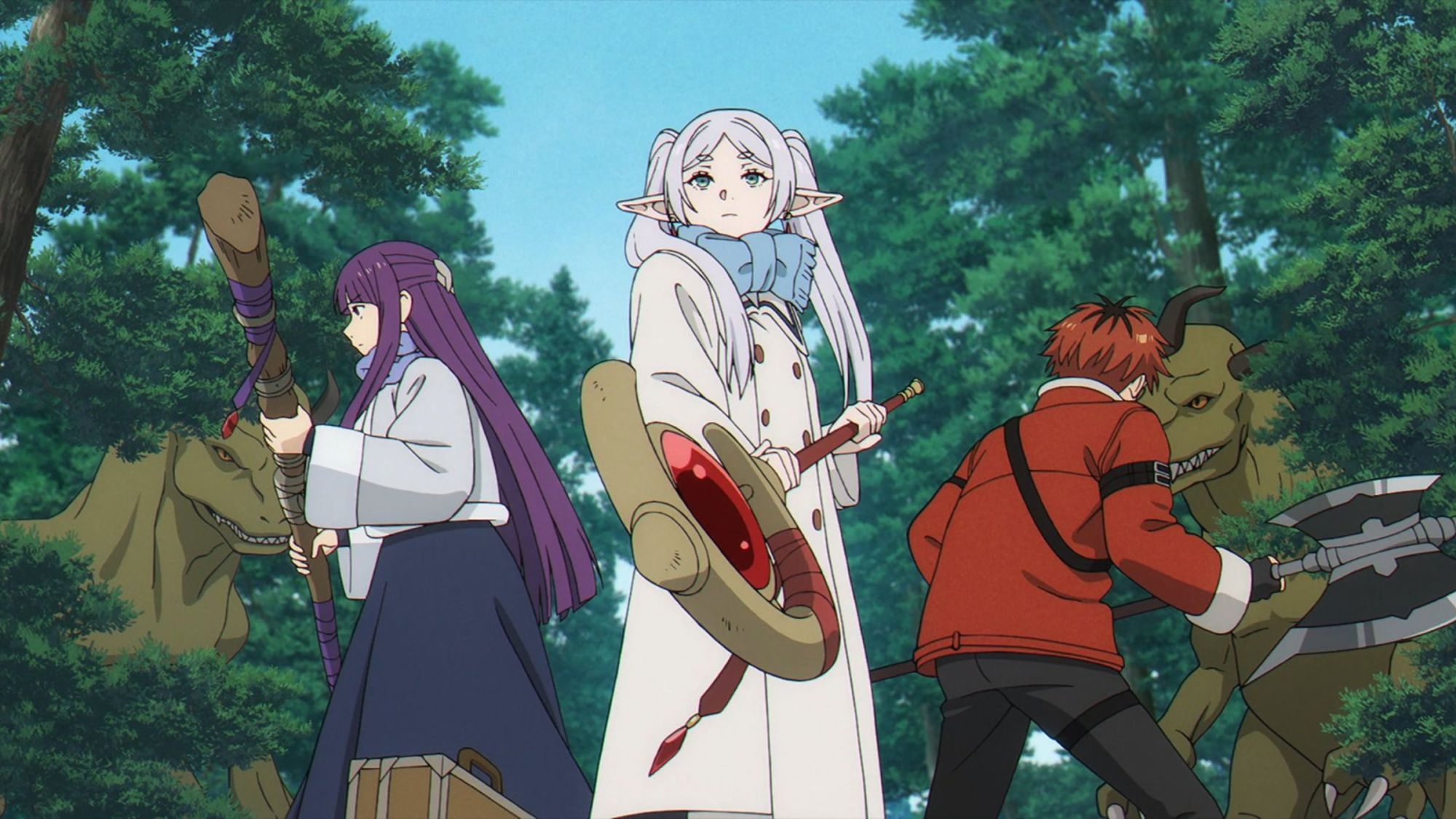
Sonny Boy plunges viewers into an intricate narrative centered around a group of 36 middle school students. The story begins innocuously, with Nagara, Nozomi, Mizuho, and their classmates experiencing a seemingly ordinary summer vacation. However, their mundane reality shatters when they, along with their entire school building, are inexplicably transported to a mysterious, boundless dimension referred to as "This World." This new reality operates under its own, often bizarre, set of rules, where the very fabric of existence can shift and defy logic.
Upon their arrival, the students discover that they have awakened unique supernatural abilities, or "powers," each manifesting in distinct and sometimes unsettling ways. These powers range from the seemingly mundane to the profoundly reality-altering, creating both opportunities and immense challenges. As the students grapple with their newfound abilities and the bewildering nature of "This World," they are forced to confront escalating conflicts, power struggles, and philosophical dilemmas. The core narrative tension revolves around their desperate attempts to understand the truth behind their transportation, decipher the enigmatic laws of their new environment, and ultimately find a way to return to their original home.
What truly distinguishes Sonny Boy within the crowded isekai genre is its profound dive into the psychological workings of its characters and its embrace of an unconventional story structure. Unlike typical adventure-driven isekai, the series prioritizes internal conflict and character development over external battles. The narrative arc is not linear; instead, the primary focus shifts and evolves, often discarding traditional plot progression in favor of exploring the consequences of choices, the nature of authority, and the existential angst of adolescence. The series masterfully weaves in complex scientific and philosophical concepts, touching upon quantum mechanics, multiversal theory, existentialism, and the nature of reality itself. Viewers are challenged to actively engage with the material, piecing together clues and contemplating the deeper meanings embedded within its allegorical narratives.
Sonny Boy avoids the common pitfall of "spoon-feeding" its audience. Instead of explicitly stating its messages or themes, it invites viewers on a unique, often disorienting, journey, allowing them to draw their own conclusions about the symbolism and implications of the events unfolding. This approach fosters a deep level of engagement, as the audience becomes an active participant in deciphering the enigmatic world and the profound psychological transformations of its young protagonists. The surreal visuals, often minimalist yet strikingly effective, combined with the atmospheric soundtrack curated by Shinichirō Watanabe, amplify the sense of disorientation and wonder, making Sonny Boy an experience that transcends typical anime viewing. It encourages introspection, challenging perceptions of reality, identity, and the very concept of "home."
Critical Reception and Industry Impact
Following its premiere, Sonny Boy quickly garnered significant attention from critics and a dedicated niche audience, particularly those appreciative of experimental and thought-provoking animation. Its victory at the 25th Japan Media Arts Festival, receiving the Excellence Award in the Animation Division, solidified its status as a critically acclaimed work. The jury praised the series for its original concept, sophisticated visual style, and its ability to delve into complex philosophical themes with a unique narrative approach. This award is a significant indicator of artistic merit within Japan, often highlighting works that push the boundaries of their respective mediums.
Beyond formal accolades, critical reviews consistently lauded Sonny Boy for its bold originality, distinctive direction, and the depth of its thematic exploration. Reviewers frequently highlighted Natsume’s masterful storytelling, the compelling psychological realism of its characters, and the sheer audacity of its artistic vision. While it may not have achieved the broad commercial success or mainstream popularity of some of Madhouse’s more action-oriented hits, Sonny Boy cultivated a fervent cult following. This audience comprises viewers who seek out anime that challenges conventions, prioritizes intellectual engagement, and offers a departure from predictable narratives. Its unique blend of surrealism, philosophical inquiry, and coming-of-age drama resonated deeply with those looking for a truly distinctive viewing experience.
Sonny Boy‘s impact on the isekai genre, while perhaps not immediately apparent in terms of direct imitations, lies in its contribution to diversifying the landscape. It serves as a powerful example that the "another world" premise can be utilized for much more than simple power fantasies. By demonstrating the genre’s capacity for profound psychological drama, existential exploration, and artistic experimentation, Sonny Boy subtly encourages other creators to consider more innovative approaches. It reinforces the idea that an original story, when executed with vision and conviction, can achieve significant critical acclaim and leave a lasting impression on the artistic trajectory of the medium.
Broader Implications for the Anime Industry
The success of Sonny Boy, both critically and within its dedicated fanbase, holds broader implications for the anime industry. In an era increasingly dominated by adaptations of popular manga and light novels, Sonny Boy‘s triumph as an original anime series underscores the enduring value and potential of creator-driven projects. It highlights the importance of studios like Madhouse, which are willing to invest in and nurture unique artistic visions, even if they deviate from established commercial formulas. This willingness to take risks fosters innovation and prevents stagnation within the industry.
Furthermore, Sonny Boy contributes to a growing trend of anime that prioritizes artistic expression and thematic depth over pure commercial appeal. Titles like this demonstrate that there is a significant audience hungry for intellectual, challenging, and artistically ambitious animation. This demand encourages studios and production committees to consider a wider range of projects, potentially leading to a more diverse and enriching output for global audiences. The series also exemplifies how international recognition, through awards and critical discourse, can elevate niche works and bring them to the attention of a broader, more discerning international audience, further expanding the reach and influence of Japanese animation.
In conclusion, Sonny Boy stands as a pivotal work in Madhouse’s extensive catalog and a significant entry within the evolving isekai genre. While it may not command the same widespread recognition as some of its more commercially successful peers, its profound narrative, stunning visuals, and deep philosophical inquiries mark it as a truly exceptional piece of animation. It is a testament to the power of original storytelling and the courage of a studio willing to explore the uncharted territories of human experience within the fantastical framework of "another world." For those seeking an anime that challenges the mind and resonates with artistic integrity, Sonny Boy remains an essential, albeit understated, masterpiece.