Konami Confirms Visual Inspiration from Netflix Anime for Upcoming Castlevania Project Belmonts Curse

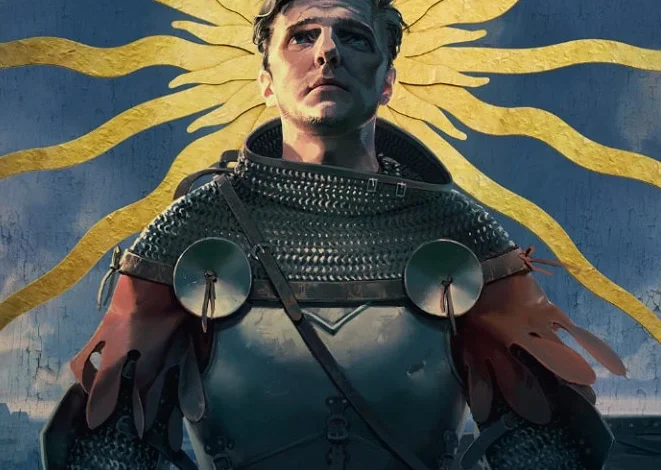
The announcement by Konami in February regarding a new entry in the long-standing Castlevania franchise marked a significant turning point for a series that has largely remained dormant in the gaming sphere for over a decade. While the teaser trailer initially sparked speculation regarding its creative origins due to a visual aesthetic and color palette strikingly similar to the acclaimed Netflix anime series, recent clarifications from the development team have provided a deeper look into the strategic and artistic choices driving the project. In a series of disclosures, Konami and development partner Evil Empire confirmed that while the upcoming game, titled Belmont’s Curse, does not exist within the same narrative continuity as the Netflix show, the visual and atmospheric influence of the animation was a deliberate choice intended to bridge the gap between two distinct segments of the fan base.
Bridging the Generational and Media Divide
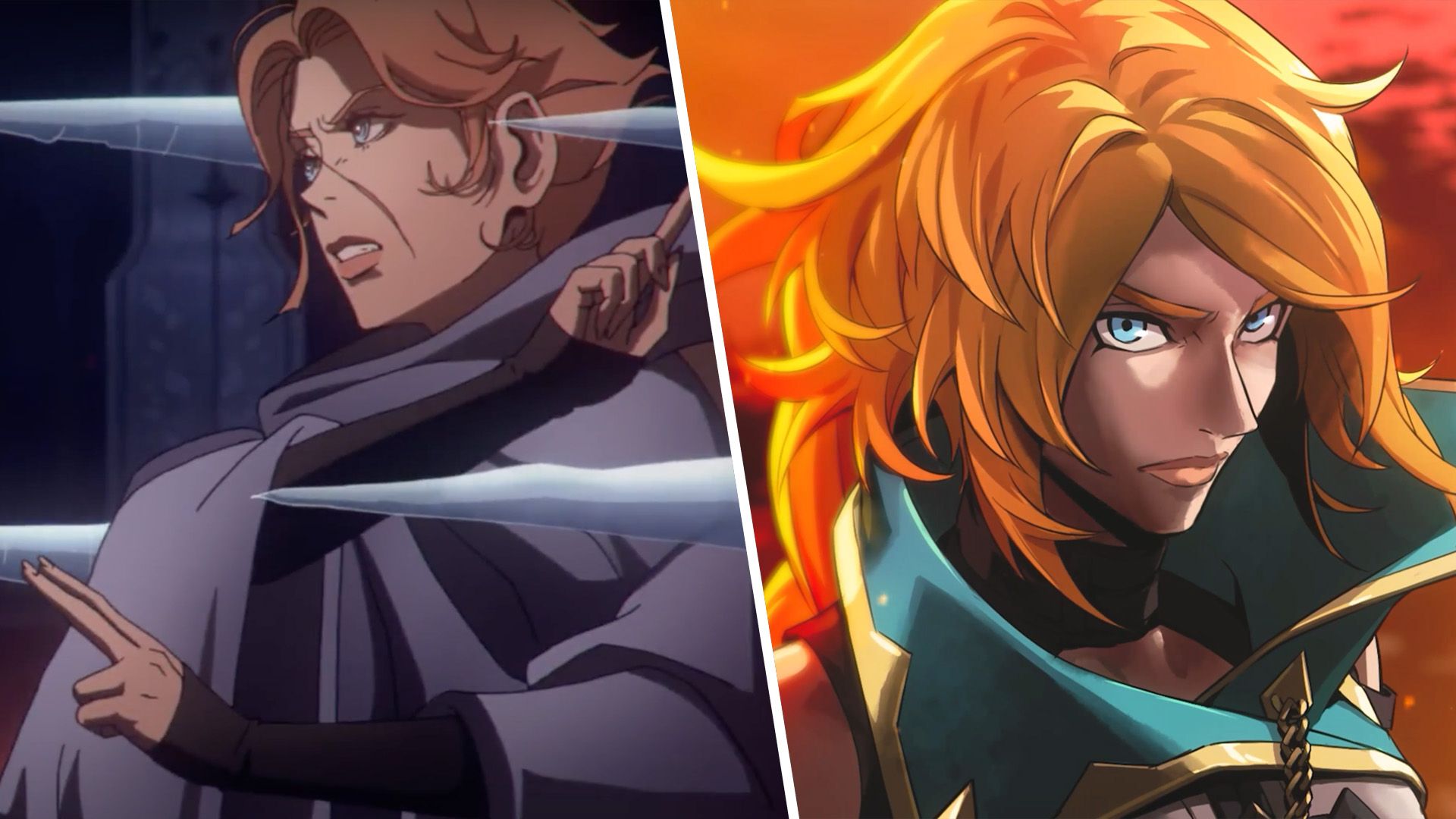
The decision to align the game’s art direction with the Netflix series is a calculated move to capitalize on the massive influx of new fans brought into the fold by the streaming platform. Since the debut of the Castlevania anime in 2017, the franchise has experienced a cultural resurgence that far outpaced the availability of new gaming titles. Series producer Tsutomu Taniguchi emphasized that the team was acutely aware of the millions of viewers who have engaged with the story of Trevor Belmont, Sypha Belnades, and Alucard exclusively through television screens without ever having played the original titles.
"We know that there are so many fans of the anime series who’ve never played the games before," Taniguchi stated. He noted that while the primary focus remained on creating a compelling gameplay experience, the team felt a responsibility to ensure that the visual language was welcoming to those whose primary association with the brand is the work of Powerhouse Animation. By utilizing a similar color palette—characterized by high-contrast lighting, saturated purples, and the moody, atmospheric shadows synonymous with the show—the developers aim to create a sense of immediate familiarity for the uninitiated.
Artistic Philosophy and the Role of Cinematography
Creative director Emmanuel Nouaille, representing the development studio Evil Empire, expanded on the artistic philosophy behind Belmont’s Curse. He clarified that the game does not feature "specific references" or direct plot tie-ins to the Netflix narrative. Instead, the team sought to replicate the "cinematographic aspect" of the series. This approach prioritizes the mood, the weight of the animation, and the dramatic framing of action over direct Easter eggs or shared lore.
Nouaille argued that for a modern audience, the cinematography and the emotional resonance of the visuals are often more impactful than rigid adherence to past game assets. This shift suggests a move away from the gothic, high-fantasy illustrations of Ayami Kojima—who defined the look of the series from Symphony of the Night through the early 2000s—toward a more fluid, action-oriented style that mirrors contemporary high-end animation. The goal is to capture the "feel" of the anime’s most iconic battles, translating that intensity into a playable format that maintains the franchise’s reputation for challenging and precise combat.
Historical Context: The Long Hiatus of the Belmont Lineage
To understand the weight of this announcement, one must look at the timeline of the Castlevania franchise. Following the release of Castlevania: Lords of Shadow 2 in 2014, Konami’s internal development of the series hit a prolonged standstill. While the company released several "Anniversary Collections" and mobile titles like Castlevania: Grimoire of Souls, a dedicated, high-fidelity entry for consoles and PC has been absent for a decade.
The original Belmont’s Curse (Castlevania III: Dracula’s Curse, released in 1989 for the NES) served as the narrative foundation for the first four seasons of the Netflix show. By returning to this specific era of the timeline with a new project, Konami is effectively circling back to the franchise’s roots while simultaneously acknowledging the version of the story that currently dominates public consciousness.
Key Milestones in the Castlevania Franchise:
- 1986: The original Castlevania debuts on the Famicom Disk System, introducing Simon Belmont.
- 1989: Castlevania III: Dracula’s Curse introduces the multi-character system (Trevor, Sypha, Alucard, Grant).
- 1997: Castlevania: Symphony of the Night revolutionizes the genre, creating the "Metroidvania" archetype.
- 2008: Castlevania: Order of Ecclesia marks the final traditional 2D entry on the Nintendo DS.
- 2010–2014: The Lords of Shadow reboot trilogy attempts a 3D cinematic approach.
- 2017: The Netflix animated series premieres to critical acclaim.
- 2023: Castlevania: Nocturne premieres, focusing on Richter Belmont and Maria Renard.
- 2024: Confirmation of the new project, Belmont’s Curse, inspired by the anime aesthetic.
The Strategic Partnership with Evil Empire
The involvement of Evil Empire is a significant data point for fans concerned with the quality of the upcoming title. The studio rose to prominence through its extensive work on Dead Cells, a game that is often cited as a modern masterpiece of the Metroidvania genre. The studio’s previous collaboration with Konami on the "Return to Castlevania" DLC for Dead Cells was met with universal praise, proving that the team possessed a deep reverence for the source material and the technical prowess to execute complex 2D action.
By outsourcing the development of a mainline-style Castlevania project to a Western studio with a proven track record, Konami is following a strategy similar to its recent handling of the Silent Hill franchise. This "collaborative publishing" model allows Konami to leverage its intellectual property while utilizing the innovative design mentalities of independent studios that grew up playing the original games.
Implications for the Future of the Franchise
The confirmation of the anime’s influence carries broader implications for the future of Konami’s media strategy. It signals an end to the "wall" between different media formats that Taniguchi alluded to. In the past, video game companies often kept their gaming and cinematic divisions strictly separated, fearing that one might dilute the brand of the other. Konami’s current stance suggests a more holistic approach to brand management, where the success of a television show is used as a blueprint for the visual identity of the games.
However, the lack of news regarding a third season of Castlevania: Nocturne or a continuation of the main Netflix series remains a point of contention among fans. With nearly eighteen months passing since the last major update from Netflix, the burden of maintaining the franchise’s momentum now falls squarely on the shoulders of the gaming division. If Belmont’s Curse succeeds in capturing the anime’s audience, it could create a self-sustaining cycle where games and animation feed into one another’s popularity.
Analytical Perspective: The "Netflix-to-Console" Pipeline
From a market analysis perspective, Konami’s strategy is a response to the changing landscape of gaming demographics. The "Netflix-to-Console" pipeline is a growing phenomenon, seen previously with titles like Cyberpunk 2077, which saw a massive player count spike following the release of the Edgerunners anime. By designing Belmont’s Curse with the anime’s aesthetic in mind, Konami is essentially "pre-marketing" the game to an audience that already recognizes the visual cues.
Furthermore, the focus on "cinematography" over "specific references" allows the developers to maintain creative freedom. It avoids the pitfalls of being tied down by the specific plot points of the show—which took several liberties with the original game lore—while still reaping the benefits of the show’s popularity. This balance allows the game to stand on its own as a canonical entry (or a reimagining) while satisfying the visual expectations of a modern audience.
As the industry looks toward the eventual release of Belmont’s Curse, the focus will remain on whether Evil Empire can translate the fluid, high-octane choreography of the Netflix battles into a mechanical system that satisfies the rigorous demands of veteran Castlevania players. For now, the bridge between the castle walls and the silver screen has never been shorter, as Konami attempts to unite two generations of vampire hunters under a single, visually striking banner.
Related posts: