Forbidden Solitaire: A Digital Resurrection of 90s Multimedia Horror and Strategic Card Gameplay

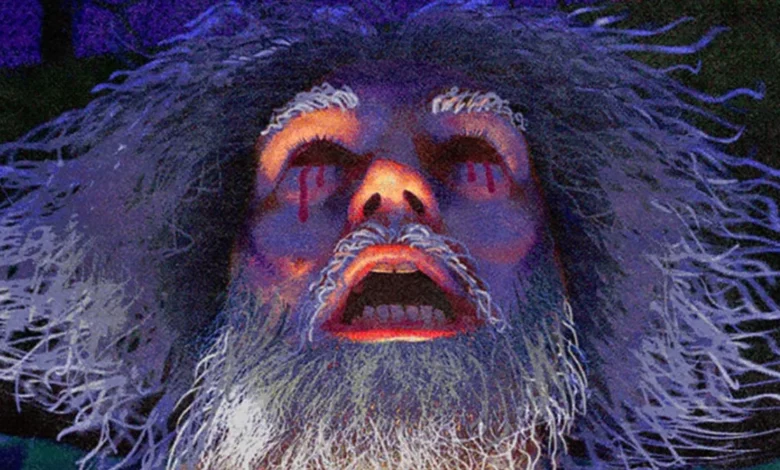
Forbidden Solitaire represents a sophisticated convergence of 1990s cultural nostalgia and modern psychological horror, functioning as both a mechanical evolution of the classic card game and a meta-narrative exploration of "lost media." Developed as a collaborative effort between Night Signal Entertainment and Grey Alien Games, the title positions itself as a long-lost relic from the mid-1990s, a period defined by the rapid adoption of CD-ROM technology and the experimental, often jarring, shift toward full-motion video (FMV) and pre-rendered 3D graphics. By utilizing a dual-layered narrative structure, the game invites players to navigate a fictional 2019 computer interface to play a "cursed" 1995 software title, effectively bridging the gap between retro-gaming aesthetics and contemporary analogue horror.
The Dual-Layered Narrative Framework
The structural core of Forbidden Solitaire is built upon a "game-within-a-game" conceit. The player assumes the role of Will, a protagonist who, in the year 2019, discovers a bargain-bin copy of a 1995 title produced by the fictional developer Heartblade Interactive. This framing device is rendered through a meticulously recreated desktop environment reminiscent of late-era Windows operating systems. The interface includes functional elements such as an instant messaging client, through which Will’s sister, Emily, provides narrative context and historical exposition regarding the game’s troubled past.
This meta-narrative serves as the vehicle for the "found media" horror elements. As the player progresses through the 1995 software, the external 2019 world begins to react. Emily uncovers disturbing records, ranging from police reports and 90s-era news clippings to VHS recordings of true-crime investigative shows. These documents suggest that the original release of Forbidden Solitaire was linked to a series of unexplained deaths and a short-lived moral panic. This layer of the experience relies heavily on the "creepypasta" tradition—internet-born urban legends about haunted or malevolent software—transforming these digital folk tales into an interactive reality.
The Mechanics of the Forbidden Dungeon
While the narrative focuses on horror and mystery, the internal gameplay of Forbidden Solitaire is a robust and inventive reimagining of solitaire mechanics. The fictional 1995 game is presented as a high-fantasy adventure set within the "Forbidden Dungeon," where a wizard seeks the secret to immortality. Progression is linear, narrated through paragraphs of solemn, overly dramatic fantasy text and accompanied by lurid, low-resolution backdrops typical of the early multimedia era.
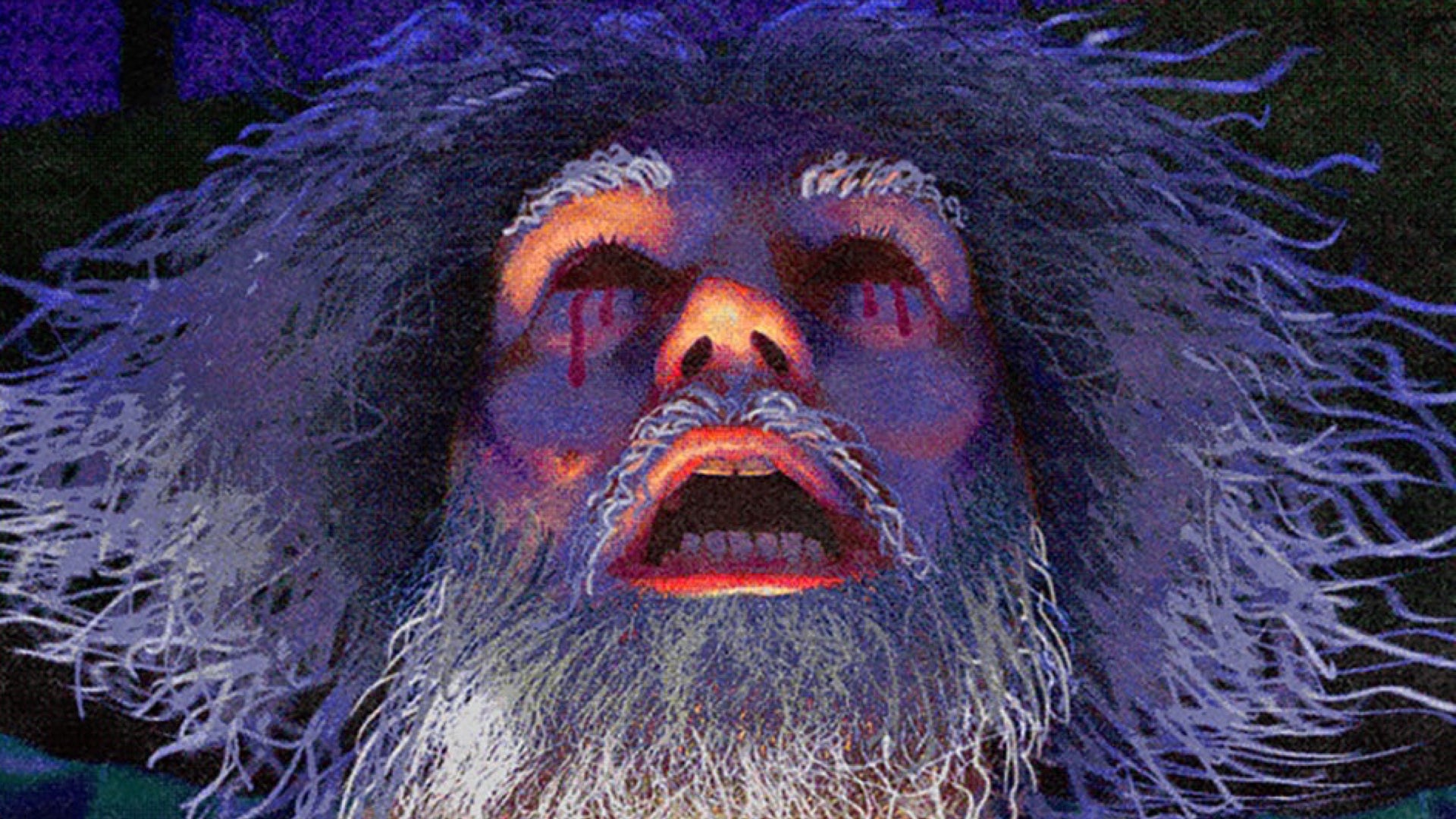
The gameplay loop revolves around clearing card tableaux to move the wizard deeper into the dungeon. However, the developers have introduced several strategic layers that differentiate the title from standard solitaire:
- Hazard Cards: Players must contend with maggot-infested cards that penalize health and vine-tangled cards that require specific sequences to clear.
- Obstacle Mechanics: "Bone-locked" cards require being played twice to be removed, while "chained" cards are tethered to specific suits, demanding a high degree of foresight in card management.
- Combat and Stealth: The game incorporates turn-based encounters where the player must clear cards to deal damage or mitigate incoming attacks from dungeon denizens. Some levels even introduce a "sight cone" mechanic, forcing players to plan their moves around a sweeping detection field to avoid triggering traps.
- Spellcasting System: Players can collect and "embed" gemstones into their hand—visualized as a gruesome, blood-soaked process—to unlock powerful abilities. These include the use of Jokers that can change card suits or "zap" problematic obstacles off the board.
The integration of these mechanics ensures that the card-playing segments are not merely a wrapper for the story but a challenging, standalone experience that benefits from Grey Alien Games’ extensive history in the casual and strategy card game genres.
Historical Context: The 1990s Multimedia Boom and Moral Panics
To understand the aesthetic choices of Forbidden Solitaire, one must look at the real-world history of the 1990s video game industry. The transition from cartridges to CD-ROMs expanded storage capacity from megabytes to hundreds of megabytes, leading developers to prioritize "multimedia" features. This era was characterized by an obsession with FMV, where live-action actors were superimposed over digital backgrounds, and pre-rendered 3D environments that, while cutting-edge at the time, often suffered from juddery frame rates and compressed color palettes.
Forbidden Solitaire deliberately mimics these limitations. The "Heartblade Interactive" intro sequence features the aggressive purples and jagged fonts associated with early 90s software houses. This stylistic choice taps into a specific type of "cultural nostalgia" for a time when digital media felt mysterious and slightly dangerous.
Furthermore, the game’s meta-narrative references the "Satanic Panic" and the political crusades against video game violence led by figures such as Senator Joe Lieberman in the early 1990s. By weaving fictionalized accounts of press outcries and pressure groups into its lore, Forbidden Solitaire mirrors the real-world controversies surrounding titles like Night Trap and Mortal Kombat, which eventually led to the creation of the ESRB (Entertainment Software Rating Board).

Chronology of the Forbidden Solitaire Universe
The timeline of the game’s universe is essential for understanding the escalation of its horror elements:
- 1993–1994: Heartblade Interactive is founded and begins development on a proprietary engine designed to "unlock the true potential" of the CD-ROM format.
- 1995: Forbidden Solitaire is released to limited retail success. Reports begin to surface of players experiencing extreme psychological distress and physical symptoms.
- 1996: The game is quietly pulled from shelves following a series of unexplained fatalities linked to a small community of "hardcore" players. Heartblade Interactive dissolves under mysterious circumstances.
- 2019: The protagonist, Will, purchases a discarded copy of the game at a local thrift store, unaware of its history.
- Present Day: The player navigates Will’s discovery as the "haunted" nature of the software begins to manifest through the 2019 desktop environment.
The Collaborative Pedigree: Night Signal and Grey Alien Games
The development of Forbidden Solitaire is a partnership between two studios with distinct strengths. Night Signal Entertainment, led by designer Quinn K., recently gained acclaim for Home Safety Hotline, an analogue horror title that tasked players with identifying supernatural household threats via a 90s-style database. Their expertise in environmental storytelling and "lo-fi" horror provides the game’s atmosphere.
Grey Alien Games, based in Dorset, UK, brings a different specialization. Known for titles such as Regency Solitaire and Shadowhand, the studio has spent years perfecting the "solitaire-as-RPG" subgenre. This partnership ensures that Forbidden Solitaire avoids the common pitfall of "meta-games" where the actual gameplay is secondary to the gimmick. Here, the card mechanics are as polished as the narrative framework.
Broader Implications: Digital Preservation and Cultural Memory
Beyond its entertainment value, Forbidden Solitaire serves as a commentary on the fragility of digital history. The game highlights the "ephemeral" nature of the medium, where software can easily be lost to bit rot or the disappearance of the hardware required to run it.
The narrative’s focus on a "thrift store find" resonates with modern movements like "Stop Killing Games," which advocates for the legal right of consumers to maintain access to games they have purchased, even after official server shutdowns or the dissolution of the original developers. By framing a "haunted" game as a cultural artifact worth investigating, the developers suggest that all games—even those that are "unloved, silly, or haunted"—carry a weight of shared history and human experience that warrants preservation.

Analysis of the Analogue Horror Trend
Forbidden Solitaire arrives during a significant surge in the popularity of analogue horror within the indie gaming scene. Titles like Inscryption, Doki Doki Literature Club, and Voices of the Void have demonstrated a high player appetite for games that "break the fourth wall" or interact with the player’s operating system.
The effectiveness of Forbidden Solitaire lies in its specificity. While other horror games use generalized retro aesthetics, this title targets a very specific window of PC gaming history—the awkward, ambitious, and often grotesque transition from the 16-bit era to the 32-bit multimedia age. By focusing on the "CD-ROM whir" and the "DOS box pop-up," the game triggers sensory memories that make its eventual descent into horror feel more personal and grounded for those who lived through that era of computing.
As the title moves toward its conclusion, the boundaries between the 1995 dungeon and the 2019 desktop blur, forcing the player to confront the idea that digital media does not exist in a vacuum. The "forbidden" nature of the game is not just a marketing hook; it is a reflection of the lingering anxieties society holds toward the technologies it creates and then promptly forgets. Through its blend of high-stakes card strategy and meticulously crafted lore, Forbidden Solitaire stands as a testament to the enduring power of the "ghost in the machine" trope in the digital age.