How Star Trek: Discovery Revitalized a Dormant Franchise and Set a New Standard for Television

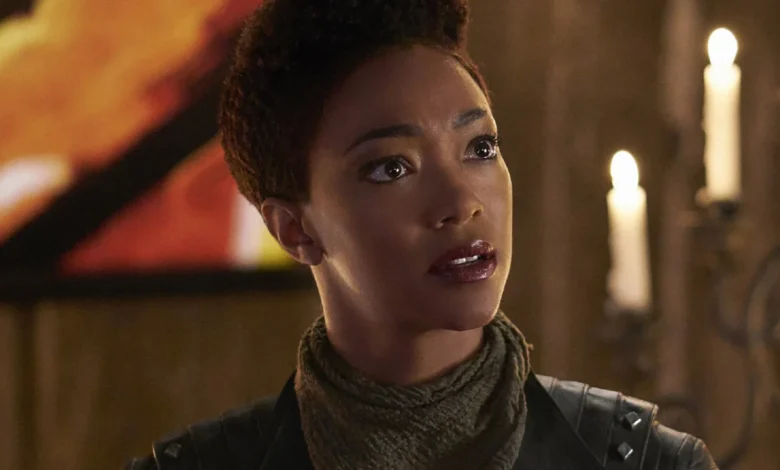
The landscape of modern science fiction television owes a profound debt to the bold creative risks taken by Paramount and its production teams over the past decade. Following the conclusion of Star Trek: Enterprise in 2005, the iconic television franchise entered an unprecedented era of dormancy. For twelve years, the universe created by Gene Roddenberry was absent from the small screen, relegated primarily to J.J. Abrams’ high-budget cinematic reboots. However, the September 2017 premiere of Star Trek: Discovery permanently altered the trajectory of the intellectual property, proving that the legendary spacefaring saga could successfully adapt to the serialized, high-prestige television environment of the 21st century.
The Twelve-Year Television Drought and the Theatrical Bridge
To understand the magnitude of Star Trek: Discovery’s arrival, one must examine the state of the franchise in the mid-2000s. Star Trek: Enterprise, which chronicled the early voyages of humanity’s first warp-five starship, struggled with declining ratings during its four-season run on the UPN network. In 2005, network executives made the decision to cancel the series. This marked a historic moment for the property: it was the first time a Star Trek television show had been outright cancelled by a network since the premature end of Star Trek: The Original Series in 1969.
Producer Rick Berman noted at the time that Paramount executives viewed the cancellation through a strategic lens, believing the franchise needed an extended period of rest to recover from fatigue after eighteen continuous years of broadcast production (spanning The Next Generation, Deep Space Nine, Voyager, and Enterprise). Yet, what was intended to be a brief sabbatical turned into a twelve-year television blackout.
During this prolonged hiatus, the Star Trek brand was kept alive exclusively through feature films. Director J.J. Abrams successfully revitalized the cinematic arm of the franchise with 2009’s Star Trek, followed by Star Trek Into Darkness (2013) and Star Trek Beyond (2016). While these films grossed hundreds of millions of dollars worldwide and introduced the property to a new generation of moviegoers, they operated within an alternate timeline known as the "Kelvin Timeline." Consequently, the primary continuity—the sacred timeline of the classic television shows—remained completely dormant on the small screen for well over a decade, leaving television science fiction fans yearning for episodic space exploration.
Breaking Mold and Tradition: The Launch of Star Trek: Discovery
When Paramount finally decided to bring Star Trek back to television in 2017, the media landscape had undergone a seismic shift. Traditional broadcast television had given way to dedicated streaming platforms, and prestige dramas boasting cinematic budgets, complex moral ambiguity, and overarching serialized narratives—exemplified by HBO’s Game of Thrones and AMC’s The Walking Dead—had become the gold standard of entertainment.
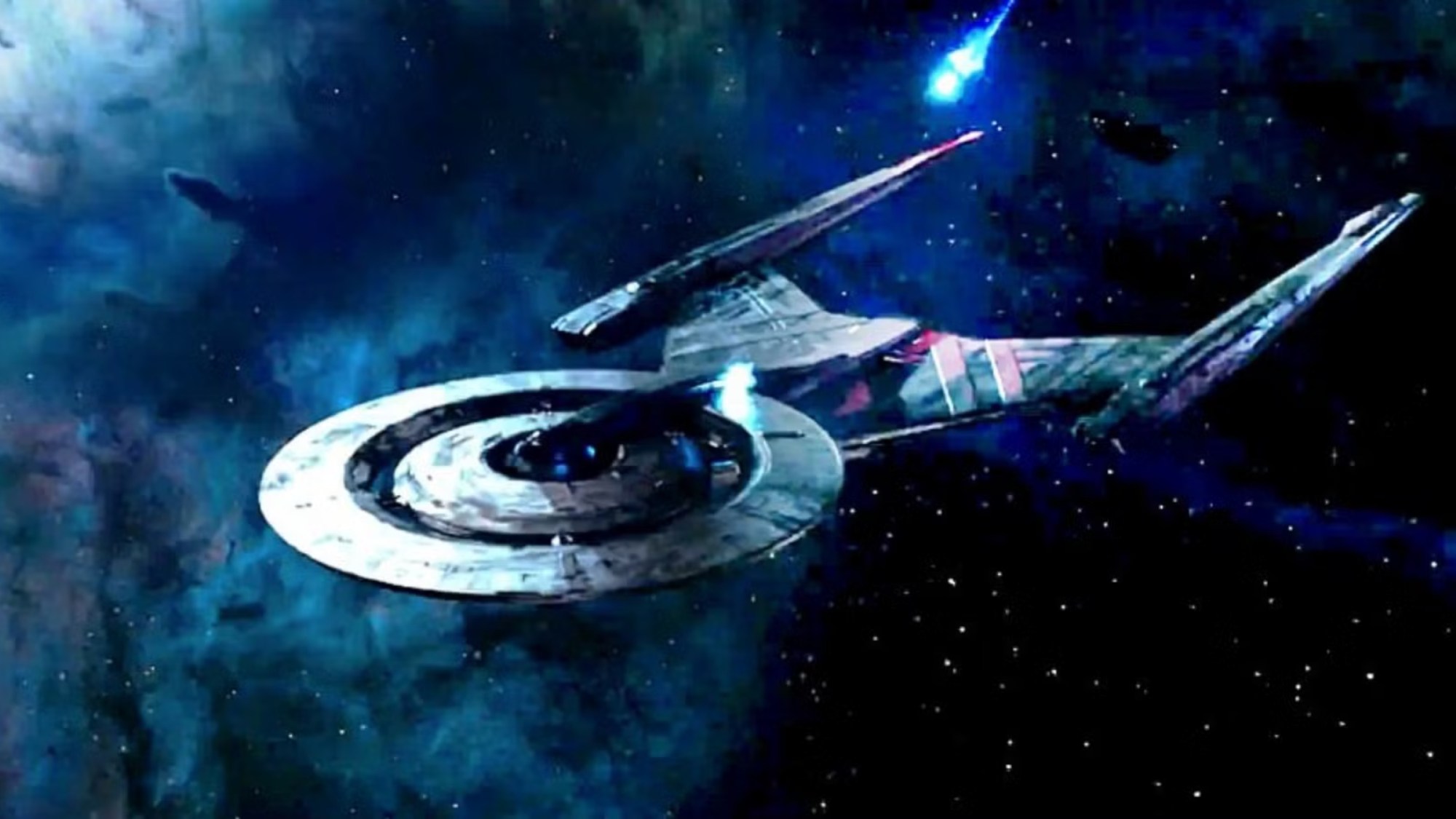
Premiering on September 24, 2017, initially on the CBS television network before shifting exclusively to the CBS All Access streaming service (later rebranded as Paramount+), Star Trek: Discovery faced the daunting task of modernizing a 50-year-old franchise. The series immediately broke with television tradition by embracing heavy serialization, high-impact violence, and deeply flawed, morally complex characters.
At the center of this new vision was Commander Michael Burnham, portrayed with critical acclaim by Sonequa Martin-Green. Burnham’s character shattered demographic barriers within the franchise. As a brilliant Starscience officer raised on Vulcan, she anchored the emotional and narrative core of the show. By the time her character was promoted to captain in the third season, Martin-Green achieved a historic milestone: becoming the first African-American woman to lead a live-action Star Trek series as the central protagonist.
Taking Calculated Risks and Expanding the Narrative Horizon
Star Trek: Discovery was defined by its willingness to take radical creative risks, a strategy that yielded both immense artistic success and polarized reactions among the fan base.
Historically, Star Trek fans had been accustomed to episodic storytelling—the traditional "planet of the week" formula where the status quo was restored by the credits. Discovery rejected this convention entirely, opting for season-long serialized arcs that required attentive viewing. Furthermore, the show leaned into a darker, more cinematic aesthetic that reflected contemporary prestige television rather than the optimistic, brightly lit corridors of 1990s iterations like Star Trek: The Next Generation.
These stylistic and narrative choices initially alienated a vocal segment of legacy viewers who argued that the series strayed too far from Gene Roddenberry’s original utopian vision. Parallels were frequently drawn to the early reception of Star Trek: Enterprise, which also faced fan backlash for altering established lore and adopting a more cynical tone. However, much like Enterprise, which underwent critical re-evaluation years after its demise, Discovery gradually won over audiences through strong performances, intricate world-building, and high production values that rivaled major motion pictures.
The series demonstrated its narrative fearlessness most notably in its third season, when the crew of the USS Discovery jumped approximately 930 years into the future. This temporal leap placed the characters in a 32nd-century galaxy devastated by a cataclysmic event known as "The Burn," which rendered warp drive largely unusable. By plunging the franchise into an entirely unexplored era with no existing lore to constrain it, the writers opened up fresh storytelling avenues that no previous Star Trek series had ever dared to explore.

The Catalyst for a Modern Franchise Renaissance
The broader implications of Star Trek: Discovery’s success cannot be overstated. By proving that a Star Trek series could drive subscriber growth for a nascent streaming platform, Discovery laid the financial and structural foundation for an entire modern ecosystem of spin-offs and companion series.
Without the foundational success of Discovery, Paramount would likely not have greenlit the expansive slate of programming that followed. The series directly paved the way for:
- Star Trek: Picard, which brought back Sir Patrick Stewart to explore the later years of Jean-Luc Picard’s life.
- Star Trek: Strange New Worlds, a critically acclaimed return to episodic, character-driven storytelling set aboard the USS Enterprise prior to James T. Kirk’s captaincy.
- Animated entries such as the comedic Star Trek: Lower Decks and the all-ages adventure Star Trek: Prodigy, demonstrating the franchise’s newfound versatility across genres and formats.
Industry analysts note that Discovery transformed Star Trek from an intermittent cinematic property into a year-round, multi-platform powerhouse. It modernized the visual lexicon of the universe, introducing sleek starship designs, advanced photonic interfaces, and sophisticated creature effects that elevated the intellectual property to contemporary blockbuster standards.
Looking Forward: Navigating Future Hiatuses
As the television landscape evolves once again, the Star Trek franchise finds itself approaching another transitional crossroads. With Star Trek: Discovery having concluded its five-season run in 2024, and other series wrapping up their respective storylines, the active television footprint of the franchise is contracting. Rumors persist regarding upcoming feature films and new streaming concepts currently in development, mirroring the strategic pauses of the past.
Whenever the franchise decides to make its inevitable return to active television production, studio executives and creative teams would do well to study the roadmap established in 2017. Star Trek: Discovery proved that honoring a legacy brand does not require creative stagnation. By adapting fearlessly to the demands of modern media, embracing diversity behind and in front of the camera, and refusing to shy away from complex narrative risks, the series successfully rescued a beloved universe from obsolescence and secured its place in the future of television.