The Simpsons Treehouse of Horror XXXVII returns to Fox this Sunday with new imagery revealing a cinematic homage to modern psychological terror

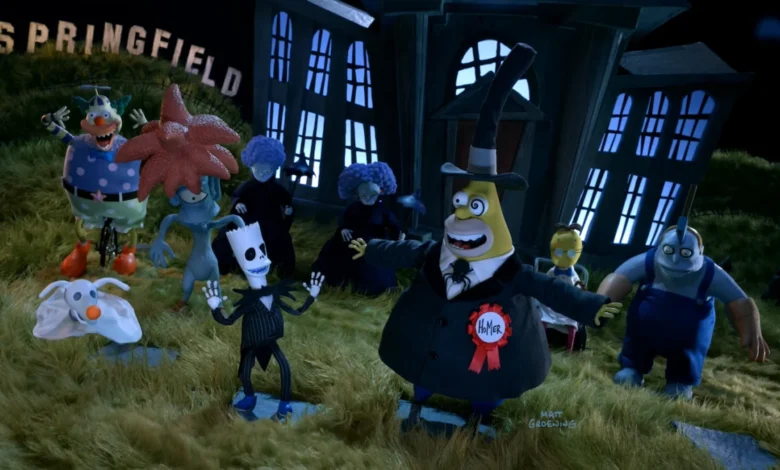
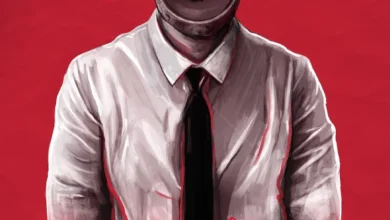
The upcoming broadcast of The Simpsons Treehouse of Horror XXXVII, scheduled for Sunday, October 25, at 8:00 p.m. ET/PT on Fox, marks the 37th installment of one of television’s most enduring Halloween traditions. This year’s episode promises a departure from standard anthology formats, leaning heavily into high-concept aesthetic parodies that bridge the gap between classic animation and contemporary horror cinema. As the network prepares for the premiere, newly released promotional imagery confirms that the production team has set its sights on Ari Aster’s 2018 A24 breakthrough, Hereditary, alongside a stop-motion sequence that pays tribute to the visual language of Tim Burton and Henry Selick’s The Nightmare Before Christmas.

The Evolution of the Treehouse Legacy
The Treehouse of Horror series remains a cultural touchstone, having originated in the second season of The Simpsons with the episode titled "Treehouse of Horror," which aired on October 25, 1990. The format, which typically features three non-canonical segments, has served as a sandbox for the show’s writers to experiment with genre tropes, political satire, and stylistic shifts. Over the course of nearly four decades, the franchise has parodied hundreds of films, ranging from Stanley Kubrick’s The Shining to contemporary psychological thrillers.
The longevity of the series is statistically significant. According to Nielsen ratings data, the Halloween specials frequently rank among the highest-viewed episodes of their respective seasons. By maintaining this annual commitment, Fox has effectively institutionalized the Halloween special, turning it into a cross-generational event that encourages audience retention during the competitive autumn broadcast season.

Cinematic Homages and Artistic Direction
The standout feature of this year’s installment is the inclusion of a stop-motion opening sequence produced by Stoopid Buddy Stoodios. Known for their work on the long-running Adult Swim series Robot Chicken, the studio’s involvement signals a high-fidelity approach to the parody. The sequence centers on Bart Simpson as Jack Skellington and the family pet, Santa’s Little Helper, in the role of Zero. This creative decision reflects the show’s ongoing effort to maintain visual relevance by collaborating with boutique animation houses that specialize in tactile, physical mediums.
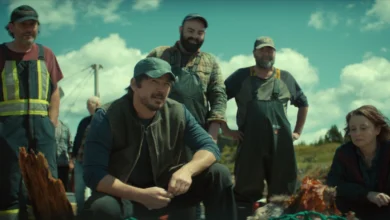
Beyond the opening, the episode’s narrative arc delves into complex genre-bending territory. The inclusion of Hereditary as a primary inspiration suggests a darker, more somber tone for one of the segments, marking a shift toward the "elevated horror" subgenre that has dominated box office discussions in recent years. This thematic pivot is balanced by other segments, including a narrative focused on Marge Simpson’s marital discord and a surreal, anxiety-inducing premise involving Homer Simpson navigating a high-stakes driving lesson.

Strategic Programming and Franchise Synergy
The decision to feature these specific references is not merely creative; it is a calculated programming strategy. By leaning into the aesthetic of cult classics like The Nightmare Before Christmas and the visceral, unsettling nature of Hereditary, the show appeals to both long-term fans and younger demographics familiar with modern horror trends.
This episode arrives on the heels of the recent "Treehouse of Horror Presents: The Revengening," a standalone special that aired this past Sunday. The rapid succession of horror-themed content indicates an aggressive push by the network to dominate the October viewership landscape. By providing "The Revengening" as an appetizer, the network ensures that the audience is primed for the main event—the 37th annual anthology.

The production team has also confirmed that the writing draws from a diverse range of source material, including Holly Gramazio’s novel The Husbands, which provides a framework for exploring the dynamics of domestic life through a supernatural lens. Furthermore, the synthesis of Freaky Friday and Pet Sematary in one of the segments demonstrates the series’ ability to mash up disparate narrative structures to create something entirely new, a technique that has been the hallmark of the show’s success since the early 1990s.
Industry Impact and The Future of Anthology
The Simpsons remains a critical pillar of Fox’s animation dominance. Despite the shifting landscape of streaming services and on-demand content, the "live" broadcast of the Treehouse of Horror retains a level of cultural gravity that few other scripted programs can match. Analysis of viewer trends indicates that while total linear viewership has declined across the industry, the "event" nature of the Treehouse of Horror episodes helps mitigate this attrition.

The logistical challenge of producing these episodes is immense. Each segment requires a distinct visual palette, a departure from the show’s standard character designs, and, frequently, unique musical scores that mimic the tone of the films being parodied. The collaboration with outside studios like Stoopid Buddy Stoodios is a testament to the show’s status as a premier platform for animation talent.
What to Expect on Sunday
As the broadcast date approaches, the released imagery provides a roadmap of the terror to come. Viewers can expect a high-contrast aesthetic in the stop-motion segments, which utilize the distinct, elongated proportions characteristic of Tim Burton’s artistic influence. The Hereditary-inspired scenes, as evidenced by the promotional stills, appear to capture the claustrophobic atmosphere of the original film, translated through the unique, bright, and familiar geometry of the Springfield universe.

For fans of the series, the anticipation surrounding the 37th edition is bolstered by the track record of the showrunners. While the series has faced criticism over the years regarding its relevance, the Treehouse of Horror specials consistently maintain a higher approval rating among critics and viewers than the average seasonal episode. This is likely due to the creative freedom inherent in the non-canonical format, which allows the writing staff to bypass traditional character continuity in favor of pure, comedic, and sometimes genuinely unsettling storytelling.
Analytical Summary
The cultural significance of The Simpsons Treehouse of Horror XXXVII lies in its ability to adapt. By incorporating elements from literature, classic stop-motion animation, and contemporary psychological horror, the show reinforces its position as a pop-culture barometer. The decision to highlight Ari Aster’s work is particularly telling; it acknowledges that the audience for animated sitcoms has matured and is now eager to see the tropes of prestige horror integrated into the comfort of their Sunday night viewing.

As Fox readies the premiere, the primary goal is clear: to sustain the momentum built over thirty-seven years of tradition. With the integration of professional-grade stop-motion animation and a blend of literary and cinematic inspirations, the upcoming episode is positioned to be a standout in the series’ extensive catalog. Viewers should prepare for a blend of nostalgia and genuine subversion, as Springfield undergoes its annual transformation into a landscape of shadows, horror, and, inevitably, the signature humor that has defined the series since its inception.
The broadcast on Sunday, October 25, will serve as the culmination of weeks of promotional efforts and anticipation. Whether these new segments will eventually rank alongside the "Shinning" or "Time and Punishment" as all-time classics remains to be seen, but the sheer ambition of this year’s production ensures that it will be a major topic of discussion in the weeks to follow.