Quarter-Eating Chaos: ‘Demon Queen Pinball Machine’ starring Mike Ferguson, Joe Davison, Elissa Dowling, Renee Daw, and Francesco S. Viola goes full tilt on October 29th at Tampa Theatre’s 31 Days of Horror

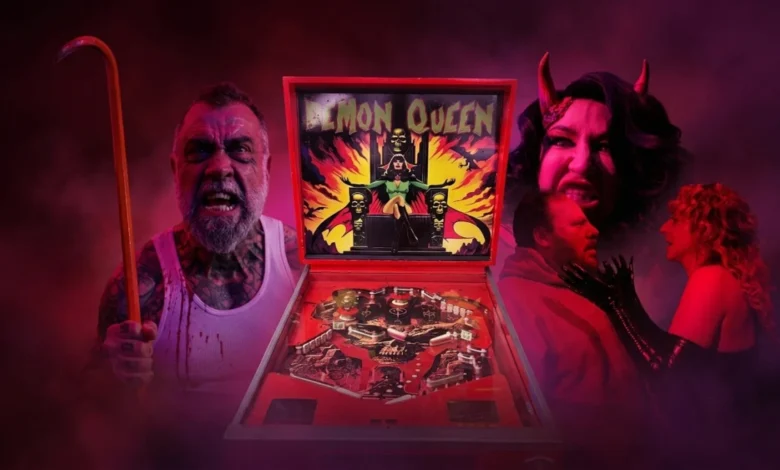
The landscape of independent horror is set to witness a unique convergence of nostalgia and supernatural dread this October as filmmaker Joe Davison prepares for the world premiere of his latest feature, Demon Queen Pinball Machine. Scheduled for a screening on October 29th, the film serves as a centerpiece of the prestigious Tampa Theatre’s 31 Days of Horror series. The project, which utilizes the distinct aesthetic of 1980s creature features, is poised to bring a blend of practical effects and high-concept horror to one of Florida’s most historic cinema venues.
The Premise: Retro Arcade Nostalgia Meets Supernatural Horror
Demon Queen Pinball Machine follows two protagonists, Derrick and Max—both struggling employees of a local video store—who accept what initially appears to be a mundane gig: the transport of a vintage pinball machine for an enigmatic client. As the narrative unfolds, the film shifts from a comedic workplace dynamic into a high-stakes supernatural thriller. The central antagonist is a vengeful spirit tethered to the pinball cabinet, which, once activated, unleashes a wave of carnage.
The film serves as a love letter to the era of physical arcade gaming and low-budget horror cinema, characterized by tactile special effects rather than reliance on digital enhancements. By centering the horror on an inanimate, retro object, the production taps into a specific vein of nostalgia that has seen a resurgence in popularity over the last decade.
Production and Creative Leadership
The film is spearheaded by Joe Davison, who assumes the dual role of director and lead actor, portraying the character of Derrick. Davison’s approach to the production was heavily influenced by the practical-FX-driven horror of the late 20th century. The casting features a roster of established independent horror talent, including Mike Ferguson, Elissa Dowling, Renee Daw, and Francesco S. Viola.
The choice of Tampa as a production hub is significant, as the film relies on the city’s specific architectural and cultural landscape to ground its supernatural elements. The decision to film on location provides a sense of authenticity that is increasingly sought after by audiences who favor the grounded, gritty aesthetic of regional independent cinema.
The Tampa Theatre: A Venue with Historical Significance
The decision to hold the premiere at the Tampa Theatre is not merely a logistical choice but a thematic one. Established in 1926, the Tampa Theatre is a registered historic landmark known for its ornate interior and its role as a cultural anchor in Florida. Its inclusion in the 31 Days of Horror series underscores the film’s status as a notable addition to the year’s seasonal programming.
The Duncan Auditorium, where the film will be screened, provides an atmospheric backdrop that aligns with the film’s focus on the “haunted object” trope. For independent filmmakers, securing a venue of this caliber offers a platform that bridges the gap between grassroots production and mainstream exhibition, granting the project a level of visibility that is often difficult for independent titles to achieve.
Chronology of Development
The journey of Demon Queen Pinball Machine from concept to screen has been characterized by a focused development cycle:
- Pre-Production: The creative team focused on establishing the "arcade" atmosphere, sourcing authentic vintage pinball components to serve as the film’s focal point.
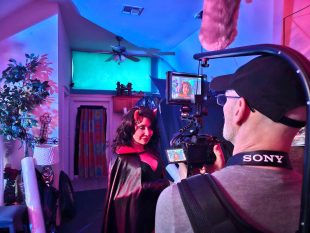
- Production Phase: Principal photography was conducted on-location in Tampa, prioritizing the use of physical sets and practical creature design to maintain a consistent aesthetic.
- Trailer Launch: In late October 2026, the production team released the first official trailer, signaling the transition from the post-production phase to public marketing.
- Premiere: The world premiere is confirmed for October 29th, 2026, at the Tampa Theatre.
Supporting Data and Industry Context
The horror-comedy genre has seen significant growth in recent years, with production budgets for independent films often ranging from $50,000 to $500,000. Data from the independent film sector suggests that films utilizing "creature features" or "haunted object" themes maintain a high degree of audience loyalty, particularly when paired with regional marketing campaigns.
According to industry analysts, independent horror features that leverage specific seasonal events—such as the 31 Days of Horror at legacy theaters—tend to see higher attendance rates than standard theatrical releases in multiplexes. The reliance on practical effects, as seen in Demon Queen Pinball Machine, is a growing trend among independent directors who are increasingly responding to audience fatigue regarding over-processed CGI.
Official Statements and Creative Intent
In discussions regarding the film’s development, director Joe Davison has emphasized the importance of regional storytelling. "We wanted to capture the wild, practical-FX-driven energy of late-80s horror comedies while showcasing the incredible locations and talent right here in Tampa," Davison noted. "Securing the historic Tampa Theatre for the premiere during the height of the Halloween season is a dream come true."

The cast and crew have echoed these sentiments, highlighting the collaborative atmosphere of the set. By bringing together established genre actors like Mike Ferguson and Elissa Dowling, the production has ensured a level of performance depth that elevates the material beyond a standard "monster movie" premise.
Broader Impact and Implications
The release of Demon Queen Pinball Machine carries implications for the regional film industry in Florida. As the state continues to cultivate its local talent pool, the success of independent features that utilize local venues like the Tampa Theatre demonstrates a sustainable model for low-budget, high-impact filmmaking.
Furthermore, the film contributes to the ongoing preservation of the "video store era" aesthetic. By centering the plot around a physical, coin-operated machine, the film explores themes of technological obsolescence and the unintended consequences of human interaction with the past. As audiences move toward an increasingly digital landscape, the "quarter-eating chaos" promised by the film serves as a reminder of the visceral, tactile nature of early horror cinema.

Analyzing the "Haunted Object" Genre
The "haunted object" subgenre has a long history in film, dating back to classics like The Hands of Orlac and evolving into modern iterations like Child’s Play or The Conjuring. Demon Queen Pinball Machine differentiates itself by utilizing a pinball machine—a device that requires active, physical participation from the user. This mechanical engagement adds a layer of agency to the horror; the victims are not merely being stalked, but are actively participating in the "game" that facilitates the antagonist’s power.
This narrative structure allows for a higher frequency of physical comedy, a hallmark of the 80s horror-comedy hybrid. The integration of "quarter-eating" mechanics suggests a cyclical nature to the violence, where each coin dropped triggers a new, more lethal stage of the supernatural threat.
Conclusion
As the October 29th premiere date approaches, the anticipation surrounding Demon Queen Pinball Machine continues to build. By synthesizing retro nostalgia with a local, hands-on production approach, the team behind the film has crafted a project that resonates with both genre aficionados and fans of independent, character-driven storytelling. The screening at the Tampa Theatre represents a milestone for the cast and crew, marking a significant point in their ongoing effort to bring original, high-octane horror to the big screen.

Whether the film will spawn a broader franchise or remain a standalone cult classic remains to be seen, but its commitment to practical effects and regional pride ensures that it will occupy a distinct space in the 2026 horror landscape. Audiences attending the October 29th premiere are expected to be the first to experience a film that is as much a tribute to the history of cinema as it is a contribution to its future.