The launch of World of Warcraft: Forever has reignited long-standing debates regarding the necessity and efficacy of specialized server rulesets within the Massive Multiplayer Online (MMO) genre. As players continue to migrate to these servers, the specific implementation of the dedicated "Roleplay" (RP) ruleset has come under scrutiny. While these servers were designed to foster a more immersive environment for story-driven gameplay, the actual behavior of the player base suggests a growing divergence between Blizzard’s structural intent and the practical realities of modern MMO engagement.
The Evolution of Server Rulesets in MMORPGs
Historically, the segmentation of servers by ruleset—PvE (Player vs. Environment), PvP (Player vs. Player), and RP—served as a primary method for managing player expectations. PvE servers prioritize cooperative questing and dungeon crawling, PvP servers enable open-world combat, and RP servers are governed by community-led expectations regarding naming conventions and character behavior.
The introduction of the RP ruleset in World of Warcraft: Forever was intended to preserve a sense of immersion. By enforcing stricter naming policies and providing a dedicated space for those who prioritize narrative development over raw mechanical efficiency, Blizzard aimed to replicate the atmosphere of the game’s original 2004 release. However, as the game has aged, the distinction between these groups has blurred. Data from recent community surveys indicate that a significant majority of players, regardless of server type, engage in the same core gameplay loops: raiding, dungeon queuing, and material gathering.
Chronology of the RP Ruleset Implementation
The decision to include a dedicated RP ruleset was announced as a response to the vocal nostalgia-driven community that has sustained World of Warcraft’s various iterations for two decades. The timeline of this rollout follows a specific progression:
- Initial Announcement: Blizzard confirmed the development of specialized server types, acknowledging the need for distinct environments to cater to the diverse playstyles of the legacy community.
- Server Deployment: Upon launch, the RP servers were segregated from standard PvE and PvP realms to prevent economic leakage and maintain the "integrity" of the roleplaying experience.
- Player Migration: In the weeks following the launch, player population data suggested that while initial interest in RP servers was high, the density of "active" roleplayers remained a fraction of the total population on those realms.
- Current Status: As of the latest tracking period, the RP servers maintain a stable, albeit niche, population. The focus has shifted from the initial excitement of launch to long-term sustainability, particularly regarding how these players will interact with the broader game ecosystem.
Economic and Technical Implications of Segmentation
A primary concern raised by analysts and veteran players alike is the economic isolation of the RP servers. Because these servers are distinct from the PvE and PvP clusters, resource gathering and auction house activity are contained within a smaller pool of players. This creates an artificial scarcity or surplus that does not reflect the broader economy of the standard realms.
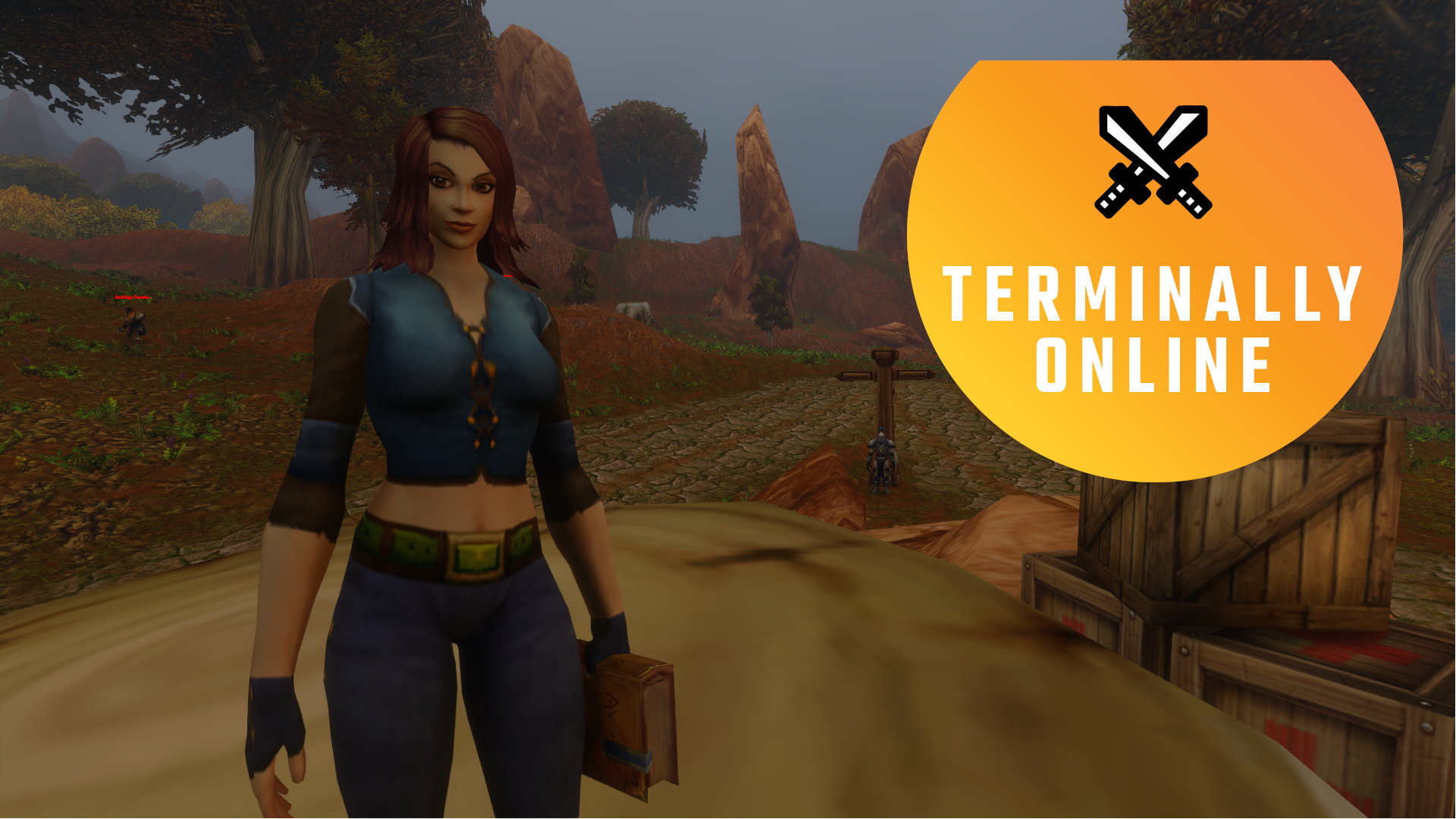
From a technical perspective, the separation was implemented to ensure that "layering"—a technology used to prevent overcrowding by splitting a single zone into multiple instances—would not disrupt the delicate social fabric of roleplaying communities. However, this has created a barrier to entry. Players on RP servers who wish to participate in high-level content, such as late-game raids, often find that their recruitment pool is limited by the server’s population cap. This leads to a paradoxical situation where the very features intended to protect the RP experience—isolation and specific rules—may hinder the long-term progression of those players.
Analysis of Player Behavior in Instanced Content
One of the most notable findings regarding the current RP landscape is the lack of "in-character" interaction within instanced dungeons and raids. Despite the RP tag, when players enter content like the Deadmines or Shadowfang Keep, their behavior is statistically indistinguishable from that of players on standard PvE servers.
Sociological analysis of MMO behavior suggests that this is due to the "Efficiency Imperative." When gameplay shifts to a high-stakes, time-sensitive environment—such as a raid or a difficult dungeon—players prioritize mechanical execution over narrative immersion. The "ye olde English" roleplay often associated with the genre is largely absent in these scenarios, as the focus shifts to communication regarding boss mechanics, threat management, and loot distribution. This behavior confirms that for the vast majority of the player base, the RP tag serves as a "vibe" or social preference for the open world, rather than a rigid mandate for every second of gameplay.
Official Responses and Community Feedback
While Blizzard has not issued a formal directive to merge the server types, the community has been vocal about the limitations of the current architecture. Many players have pointed out that the rigid, permanent divide between RP and PvE servers prevents social cohesion. The desire for "cross-realm" functionality—specifically the ability for characters on RP servers to join groups with players on PvE servers—is a common request.
From a design perspective, Blizzard’s silence on potential migration paths or cross-server grouping suggests a cautious approach. Any integration between these server types risks diluting the specific naming standards and cultural norms that RP players have fought to maintain. However, the risk of population stagnation on lower-density RP servers is a quantifiable reality that the development team will likely have to address as the game enters its mid-life cycle.
Future Outlook: Bridging the Gap
The future of World of Warcraft: Forever will likely hinge on the developer’s ability to balance technical flexibility with community sentiment. The current consensus among seasoned players is that the "strict" divide is increasingly becoming a relic of a bygone era.
If Blizzard opts to introduce a "travel" system, it would need to be carefully gated to ensure that the unique character of the RP servers remains intact. For example, allowing players to temporarily migrate for raids while maintaining their home server’s ruleset could provide the necessary relief for population bottlenecks without destroying the community’s identity.
Furthermore, the "naming convention" debate remains a point of contention. While strict enforcement is intended to keep the world "serious," the reality of the internet means that even the most well-regulated servers will see players with names that break immersion. The industry-wide trend toward more fluid, less restrictive server architecture suggests that, eventually, the lines between these server types will likely become more porous.
Implications for the Broader MMO Market
The experience of World of Warcraft: Forever serves as a case study for the entire MMORPG industry. It demonstrates that while players ask for specialized environments, they also demand the flexibility to interact with the wider game world. The challenge for developers is to create systems that allow for sub-communities to flourish without creating "ghost towns" or isolating players from the social and economic benefits of the larger, general-population servers.
As the industry looks toward the next generation of online games, the lesson from these servers is clear: player-driven narratives and community identity are as important as the game engine itself. Whether or not Blizzard decides to collapse the barriers between these realms, the ongoing experiment with World of Warcraft: Forever will inform how future developers approach the delicate task of balancing community desires with the technical realities of maintaining a persistent, ever-evolving virtual world.
The current state of the game suggests a community that is resilient, highly adaptive, and increasingly aware of the trade-offs between immersion and convenience. Whether these players remain in their isolated pockets or eventually integrate into the larger, more unified server clusters remains a primary focus for observers of the game’s long-term health. For now, the "RP" tag continues to function more as a social filter than a hard rule, proving that in the world of Azeroth, the players—not the settings—ultimately define the experience.