Slitherine Delays Warhammer Blood Bowl Refresh Amidst Commitment to Enhanced Polishing and Fan Satisfaction

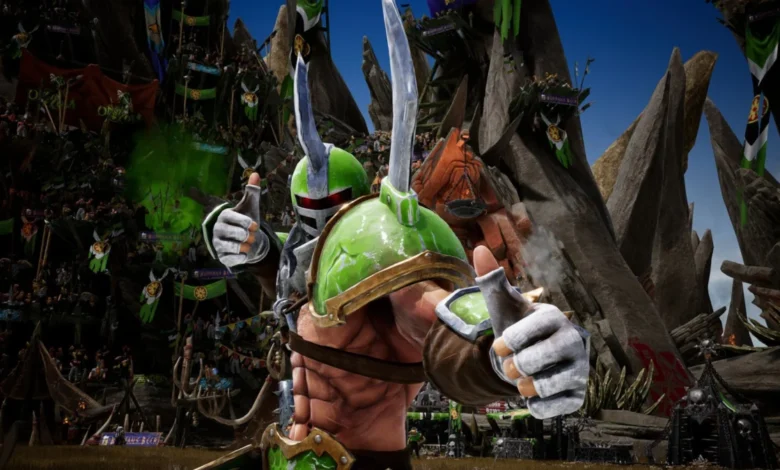
The highly anticipated overhaul of the Warhammer-themed fantasy football title, currently being developed by Slitherine, has officially missed its projected 2026 release window. The announcement, delivered during the Dominion Days showcase in Berlin, marks a significant pivot in the development roadmap for the studio. Slitherine, known for its deep strategy titles and commitment to niche tactical gaming, has signaled that the project requires additional development time to meet the high standards expected by the Warhammer community. This delay, while indefinite in terms of a new launch date, reflects an industry-wide trend where developers are prioritizing long-term quality and player retention over rigid scheduling.
The studio’s decision comes directly on the heels of feedback gathered from an ongoing, rigorous playtesting phase. In a statement addressing the fanbase, Slitherine leadership underscored that the history of the intellectual property, combined with the nuances of the gameplay mechanics, necessitates a more thorough iterative process. "The game’s history and the feedback received during the latest playtest have reinforced the team’s belief that the game needs to be as polished as possible," the studio stated. "Disappointing the fans is not an option."
Contextualizing the Blood Bowl Legacy
To understand the weight of this decision, one must look at the historical context of Blood Bowl within the gaming ecosystem. Originating as a tabletop board game by Games Workshop in 1986, Blood Bowl combines the tactical brutality of American football with the dark, satirical fantasy setting of the Warhammer universe. Over the decades, it has evolved from a cult-classic tabletop game into a digital powerhouse, most notably through the long-running series published by Cyanide Studio.
Slitherine’s foray into this space represents an attempt to modernize and refresh the digital experience. By aiming for a higher level of "polish," the developers are likely addressing common pain points that have historically plagued digital adaptations of complex tabletop games: user interface (UI) clunkiness, steep learning curves, and the need for seamless online matchmaking. By extending the development cycle, Slitherine is essentially investing in the "feel" of the game—ensuring that the violent, strategic, and often humorous nature of the tabletop experience is captured without technical compromises.
The Evolution of the Playtest and the New Arena Mode
As part of their transparency initiative, Slitherine has maintained an active playtest environment, which has recently received a major update. The introduction of the "Arena mode" provides a snapshot of the current build’s stability and balance. This mode challenges players to navigate a gauntlet of 10 consecutive matches. The constraints are stringent: players cannot lose a game, and they are permitted only two draws throughout the entire run.
The Arena mode utilizes a "resurrection" format. In the context of sports simulation gaming, this means that the state of the team—including injuries, fatigue, or permanent stat modifications—resets after every match. This design choice shifts the focus away from long-term team management and onto tactical precision and roster optimization. It serves as a stress test for the game’s core engine, forcing players to rely on their initial squad composition rather than exploiting late-game power-ups. This move suggests that Slitherine is keen on refining the "moment-to-moment" gameplay loop, ensuring that the foundational mechanics are sound before moving on to the complexities of league structures and permanent progression systems.
Economic and Consumer Implications: The Upgrade Path
One of the most critical aspects of the announcement for the existing player base is the transition plan. Slitherine has confirmed a consumer-friendly approach: all existing owners of Blood Bowl 3 will be upgraded to the new Warhammer Blood Bowl experience at no additional cost. Furthermore, the studio has guaranteed that all previously acquired cosmetics and team assets will carry over, mitigating the fear of "sunk cost" that often accompanies major title overhauls or sequels.
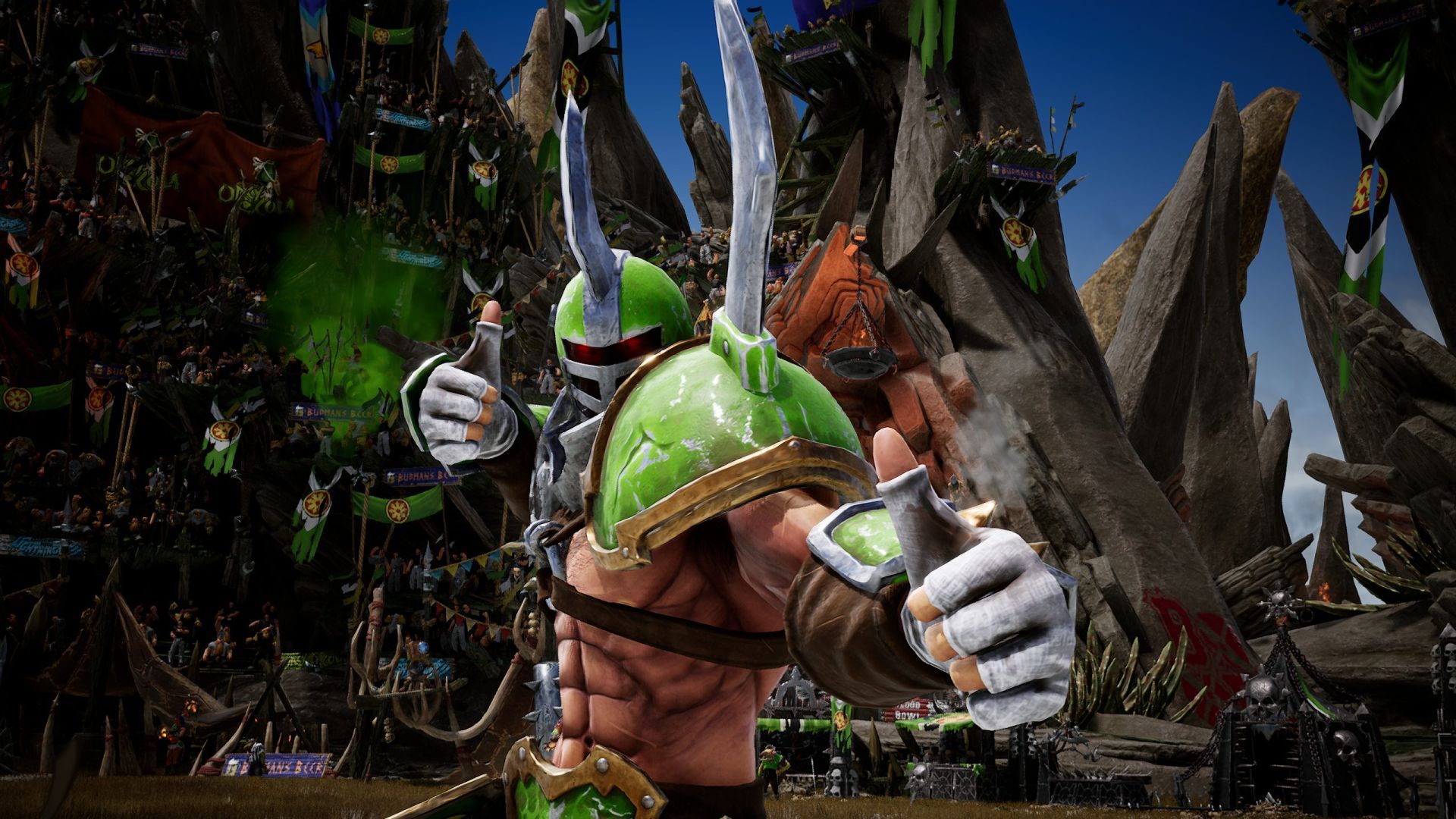
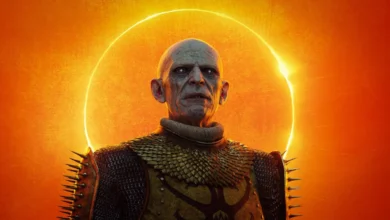
Beyond the base transition, the studio confirmed the inclusion of two highly requested factions: the Tomb Kings and the Bretonnians. By offering these factions for free within the base game, Slitherine is attempting to solidify goodwill with a community that has historically been wary of aggressive monetization strategies in the genre. This strategy is likely designed to foster a stable, active player base upon the eventual launch, ensuring that the multiplayer ecosystem is populated from day one.
Analysis of the Delay: A Strategic Necessity
From an analytical standpoint, the delay is a calculated strategic move. In the current gaming market, the "live service" model demands that games arrive in a state of high stability. A lukewarm launch, particularly for a title steeped in such a long-standing tabletop tradition, can be fatal. By taking extra time, Slitherine is avoiding the pitfalls of early access fatigue—where players burn out on a game while it is still in a broken or unfinished state.
The move also aligns with the broader goals of Slitherine, a company that prides itself on deep, analytical, and historically-accurate strategy gaming. Unlike developers who might rush to meet a fiscal year-end target, Slitherine’s public acknowledgment of "not wanting to disappoint fans" points to a shift toward prioritizing brand reputation and long-term community trust.
Industry Trends and Future Outlook
The decision to delay a project to ensure quality is becoming a recurring theme in the mid-to-large-scale studio sector. Recent years have seen numerous high-profile titles suffer from "day one" technical issues, leading to significant drops in player numbers and critical backlash. By publicly communicating the need for more polish, Slitherine is managing expectations early.
The roadmap for the remainder of the year and into 2027 will likely focus on:
- Refining Matchmaking Algorithms: Improving the speed and balance of online play.
- UI/UX Optimization: Streamlining the management of complex teams.
- Faction Balancing: Using data from the Arena mode to tweak the strengths and weaknesses of the Tomb Kings and Bretonnians against established teams like Orcs or Humans.
- Technical Infrastructure: Ensuring the servers can handle the influx of players once the game transitions out of the current playtest phase.
Conclusion
The delay of the Warhammer Blood Bowl refresh is a testament to the complex balancing act that developers face when adapting beloved tabletop intellectual properties. While fans will undoubtedly be disappointed by the lack of a 2026 release, the commitment to free upgrades and the inclusion of new content like the Tomb Kings and Bretonnians suggest that the wait may ultimately be rewarded.
As Slitherine continues its work behind the scenes, the ongoing playtests and the addition of the Arena mode serve as a clear signal that the development team is listening to its core audience. For a game that relies so heavily on tactical depth and community engagement, this transparent approach—putting polish and fairness ahead of a release deadline—may prove to be the most vital strategy in ensuring the game’s success. The gaming community now looks toward the next set of updates from the studio, waiting to see if the eventual result will match the ambition of the vision. For now, the focus remains firmly on refinement, stability, and the preservation of the brutal, high-stakes spirit that defines the world of Blood Bowl.
Related posts: