The Gig Economy Meets Macabre Cinema: FilmQuest Festival Premieres Horror Anthology GRIND


The 13th annual FilmQuest Festival commenced its highly anticipated run on October 22, taking over the historic Velour venue in downtown Provo, Utah. Known globally as a premier destination for genre filmmaking, independent cinema, and visionary storytelling, this year’s festival delivered a standout cinematic event on Sunday, October 25, with the world premiere of GRIND. Directed by an accomplished trio of genre filmmakers—Ed Dougherty, Brea Grant, and Chelsea Stardust—the feature-length horror anthology tackles the anxieties of the modern workforce, dissecting the gig economy, toxic side hustles, and systemic corporate exploitation through four distinct, terrifying narratives. Boasting a stacked ensemble cast that features genre royalty Barbara Crampton alongside Rob Huebel, Christopher Rodriguez Marquette, Jessika Van, Vinny Thomas, and Ify Nwadiwe, GRIND merges contemporary socio-economic dread with inventive, blood-soaked storytelling.
Background and Context of FilmQuest
Since its inception, the FilmQuest Festival has established itself as a cornerstone for independent genre cinema, frequently landing on prominent trade publications’ lists of top-tier film festivals worldwide. Provo, Utah, transforms each autumn into a bustling hub for directors, screenwriters, and cinephiles eager to witness the cutting edge of fantasy, sci-fi, and horror. The festival’s 13th iteration continues this tradition by spotlighting projects that not only entertain but also engage with contemporary cultural zeitgeists. GRIND arrived at the festival as one of the most buzzed-about underground anthology projects, drawing considerable attention for its timely thematic focus on late-stage capitalism and labor precarity.
Segment Analysis: Corporate Satire and Survival Horror
The Pyramidal Nightmare of Multilevel Marketing
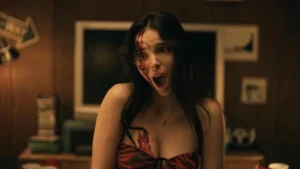
The anthology opens with a darkly comedic and sharply observed critique of multilevel marketing (MLM) schemes, drawing heavily on the public fascination and legal scrutiny surrounding phenomena like the LuLaRoe fiasco. The narrative centers on Sarah, an introverted newcomer to the world of online influencing, who is pressured by her friend Molly into peddling stretch leggings for a dubious fashion enterprise. As an amateur influencer, Sarah’s forced cheerfulness and awkward social media presence yield disastrous sales figures.
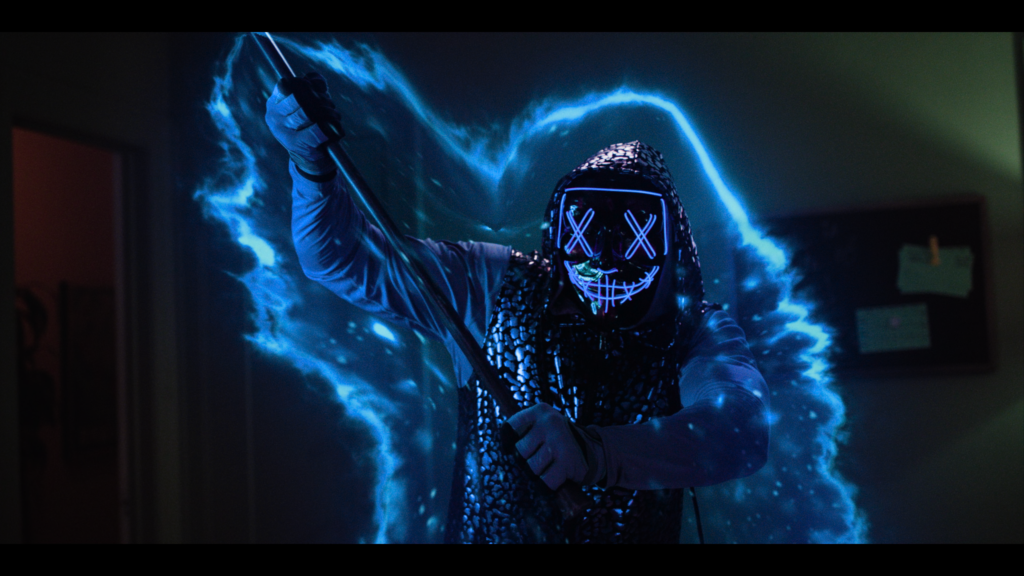
The film utilizes a clever blend of jet-black comedy and escalating terror; each time Sarah fails to meet her strict corporate quotas, violent and surreal consequences befall those around her. Featuring a standout performance by Courtney Pauroso, the segment escalates into absurdly horrific territory—highlighted by an axe-wielding murderer donning unicorn-patterned leggings and punchlines involving Sarah’s husband. Rather than relying solely on traditional jump scares, the opening chapter weaponizes the cringeworthy culture of predatory direct-sales recruitment into a visceral nightmare.
The Endless Delivery Loop
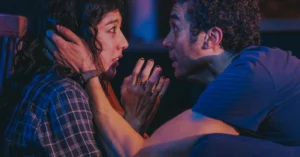
Shifting from the suburban horrors of MLMs to the isolating asphalt of app-based labor, the second segment follows Benny, a struggling delivery driver desperately trying to make rent. Tasked with an off-the-books pickup via a mysterious text message, Benny navigates to a desolate, labyrinthine building. Inside, he discovers a room filled with numbered items and a disembodied voice that monitors his every move through hidden surveillance.
Instructed to locate a foul, slimy brown paper bag, Benny must follow rigid instructions to the letter; a single misstep forces him to restart the entire sequence from the very beginning. This grueling time-loop mechanic brilliantly mirrors the inescapable, monotonous grind of modern gig work, where workers are penalized for algorithmic inefficiencies. Directors infuse this segment with palpable dread, balancing a surreal urban-legend atmosphere with deep empathy for a protagonist trapped in a system designed for him to fail.
Corporate Hierarchies and the Illusion of Upward Mobility
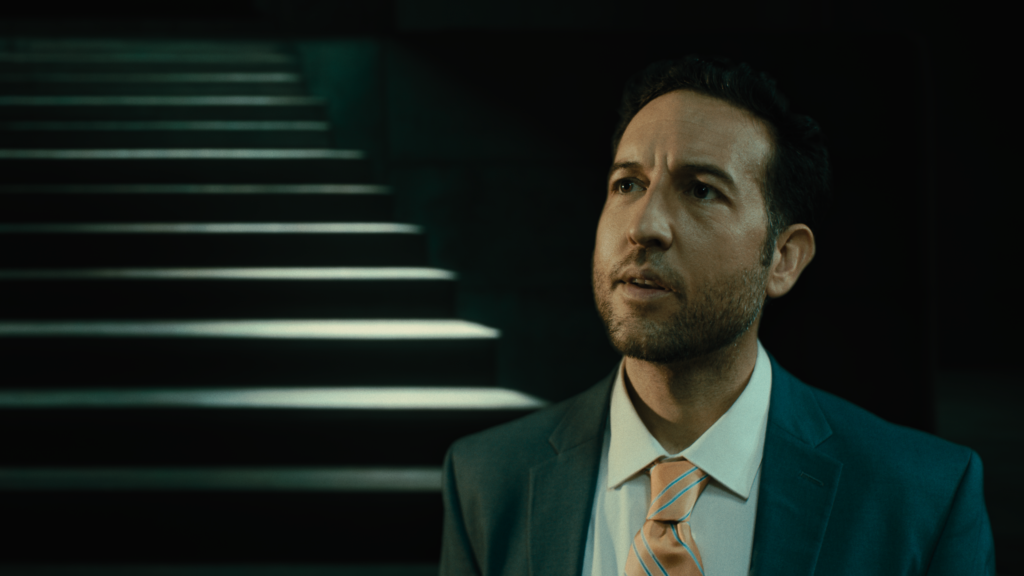
The third segment pushes into the surreal depths of corporate bureaucracy, offering an uncompromising critique of callous upper management. Joel, a hopeful new hire at a booming corporation, is lured in by the tantalizing promise of promotion to the coveted fourth floor, where employees are rewarded with unlimited lobster rolls. However, securing this position requires enduring a grueling probationary period spent in a subterranean basement pit, watching endless streams of Traces of Death-style shock footage alongside a sea of equally desperate colleagues.
As Joel’s tenure wears on, the lines between reality and hallucination blur. He begins to question whether the elusive fourth floor is merely a psychological carrot dangled by a predatory employer to squeeze maximum productivity from expendable labor. The segment serves as an unflinching examination of the psychological toll inflicted by corporate hierarchies, capturing the quiet desperation of white-collar workers striving for an ever-receding horizon of success.
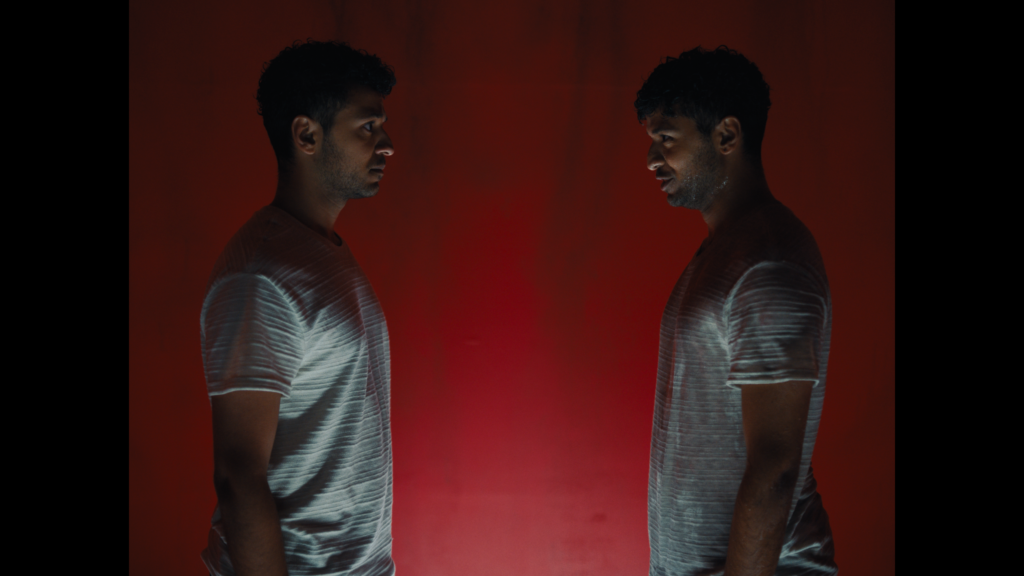
Unionizing Against Lovecraftian Horrors
The anthology concludes with a segment tailor-made for exhausted service-industry workers seeking catharsis through monster-movie mayhem. Set inside a major coffee chain reminiscent of ubiquitous global franchises, a collective of disgruntled baristas decides they have had enough of wage stagnation and poor treatment. To demand better conditions, they stage an overnight sit-in and lock themselves inside the cafe.
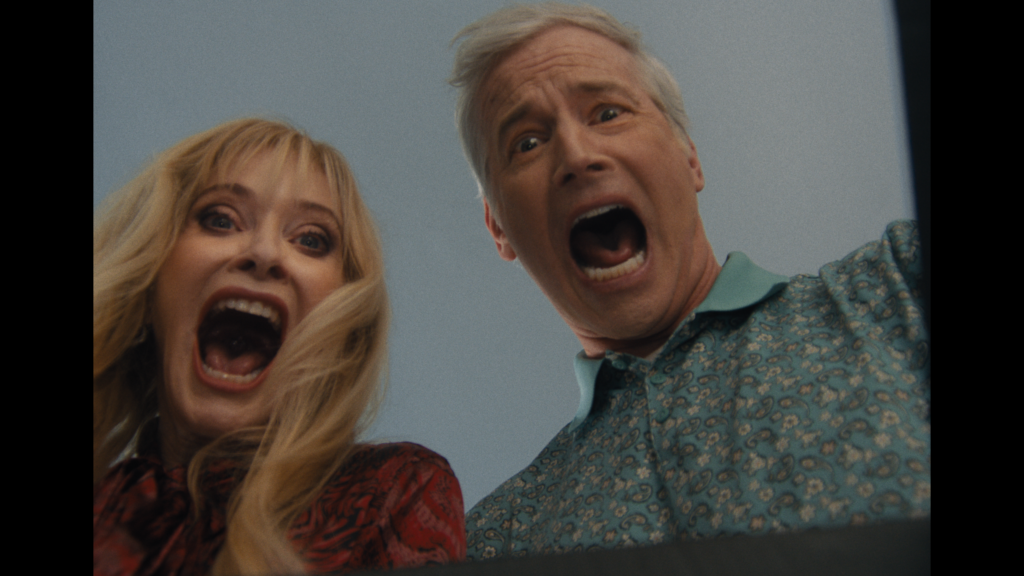
Their solidarity is immediately tested when an unexpected delivery arrives: the giant black box that previously teased viewers during the film’s overarching introduction. Lurking within the container is a monstrous, Lovecraftian siren manifestation. Drawing inspiration from classic 1980s horror-anthology television like Tales from the Crypt, this final chapter fuses creature-feature thrills with modern labor activism, delivering a roaring climax that blends economic justice with tentacular carnage.
Production and Industry Implications
Anthology films often struggle with tonal consistency, but GRIND succeeds by anchoring its disparate segments to a unified, highly relevant cultural touchstone: the erosion of work-life balance and the commodification of human survival. By utilizing distinct directorial voices—Ed Dougherty, Brea Grant, and Chelsea Stardust—the film presents a kaleidoscopic view of modern exploitation, ranging from gig-economy apps to predatory corporations and exploitative retail giants.
Industry analysts note that horror has increasingly become the premier vehicle for socio-economic commentary, allowing filmmakers to externalize the abstract anxieties of inflation, job insecurity, and wealth inequality into tangible, cinematic monsters. With powerhouse genre veterans like Barbara Crampton lending her gravity to the project alongside rising comedic and dramatic talents, GRIND positions itself as a sharp piece of social satire wrapped in traditional gore and suspense.
Broader Impact and Future Outlook
Following its well-received premiere at the FilmQuest Festival, GRIND is expected to make waves on the broader horror festival circuit ahead of anticipated distribution deals. By tapping into the collective burnout of a generation navigating gig work and corporate servitude, the anthology resonates far beyond traditional genre boundaries. As audiences increasingly gravitate toward horror that reflects real-world anxieties, GRIND stands out as a timely reminder that sometimes the most terrifying monster is the daily routine required simply to pay the rent.