Colman Domingo’s Reported Live-Action Tiana Project Offers a Unique Path Forward Amidst Disney’s Troubled Remake Strategy

The Walt Disney Company, a global entertainment titan historically synonymous with groundbreaking animation and cherished storytelling, has in recent years become increasingly known for its ambitious, yet often contentious, live-action remakes of its animated classics. This strategic pivot, initially met with considerable financial success, has steadily drawn the ire of fans and critics alike, with many accusing the studio of sacrificing creativity and narrative integrity for commercial gain. While the phrase "Disney movies" once conjured images of vibrant, original animated masterpieces, the current association with disappointing, largely uninspired remakes is almost equally strong. This trend has been punctuated by several high-profile missteps, including significant alterations in the upcoming live-action Lilo & Stitch, such as a controversial change regarding Nani’s role in Lilo’s upbringing, and the deeply divisive production of Snow White, which has faced perhaps the most intense scrutiny and criticism among all recent adaptations. Even the forthcoming live-action adaptation of Moana, though not yet released, has begun to face pre-emptive backlash, emblematic of a broader audience fatigue with Disney’s current live-action approach.
Against this backdrop of widespread disappointment and mounting criticism, news that acclaimed actor and filmmaker Colman Domingo is reportedly developing an original live-action feature centered on Princess Tiana, inspired by Disney’s beloved The Princess and the Frog, initially might seem to exacerbate existing concerns. However, as discerning viewers and long-time fans have quickly highlighted across online platforms, this particular project carries the potential to diverge significantly from Disney’s established, and often flawed, remake formula. Its unique approach, coupled with a crucial opportunity to rectify a long-standing grievance from the original animated film – an issue that has resonated negatively with audiences for over a decade – positions this Tiana project as a potentially transformative moment for the studio’s live-action endeavors.
A Shifting Paradigm: Disney’s Live-Action Strategy Under Scrutiny
Disney’s journey into live-action adaptations of its animated canon began tentatively in the late 20th century, with films like 101 Dalmatians (1996), but truly gained momentum in the 2010s. The commercial triumph of Tim Burton’s Alice in Wonderland in 2010, which grossed over $1 billion worldwide, demonstrated the immense financial potential of reimagining classic stories with modern visual effects and star power. This success paved the way for a consistent stream of live-action projects, including Maleficent (2014), Cinderella (2015), Jon Favreau’s critically acclaimed The Jungle Book (2016), and the hugely successful Beauty and the Beast (2017). These early ventures were largely profitable, leveraging existing intellectual property, tapping into nostalgia, and showcasing advancements in CGI technology to bring fantastical worlds to life.
However, as the pace of these remakes accelerated, a noticeable shift in critical and audience reception began to emerge. What started as an exciting new take on cherished tales gradually morphed into a perceived creative drought, with many adaptations struggling to justify their existence beyond a simple re-tread of familiar ground. Films like Dumbo (2019), Aladdin (2019), and The Lion King (2019) achieved commercial success but were often criticized for lacking the emotional depth or unique artistic vision of their animated predecessors. The COVID-19 pandemic further complicated matters, leading some films, such as Mulan (2020), to a premium Disney+ release, where its performance was mixed and its narrative changes met with significant pushback. Subsequent direct-to-streaming releases like Pinocchio (2022) and Peter Pan & Wendy (2023) garnered overwhelmingly negative reviews, solidifying a narrative of diminishing returns and creative stagnation. Even theatrically released films like The Little Mermaid (2023), despite a respectable box office, faced polarized reactions regarding casting, musical numbers, and visual choices. The recent performance of films like Haunted Mansion (2023) and the original animated feature Wish (2023), which underperformed significantly, underscored a growing sentiment that Disney’s brand, particularly in its cinematic offerings, was losing its once-unassailable luster.
The Remake Conundrum: A History of Mixed Reception
The core challenge facing Disney’s live-action strategy lies in a fundamental "catch-22" of its own creation. When adaptations venture too far from their source material, introducing significant plot alterations or character revisions, they risk alienating the very fan base eager to revisit their beloved stories. This was starkly evident in the early reactions to the live-action Lilo & Stitch, where reports of Nani leaving Lilo at the film’s conclusion ignited immediate outrage among fans who cherished the original’s emphasis on familial bond and unconditional sisterly love. Such changes are often perceived as undermining the thematic heart of the original.
Conversely, when live-action remakes adhere too closely to the animated blueprint, offering little more than a beat-for-beat translation of the original, audiences frequently question the necessity of the remake altogether. The sentiment is often: "Why bother watching a live-action version when the animated original is perfect and offers a unique aesthetic that live-action cannot replicate?" This criticism has been leveled at films like The Lion King (2019), praised for its photorealistic animation but critiqued for its emotional flatness compared to the expressive original.
Perhaps no project better encapsulates this dilemma and the ensuing backlash than the upcoming Snow White. From its initial announcement, the film has been embroiled in controversy, largely stemming from statements made by lead actress Rachel Zegler, who indicated significant narrative changes, including a de-emphasis on the classic romance and an increased focus on Snow White’s journey as a leader. Further casting decisions and leaked set photos have fueled public debate, with many fans expressing concern that the film is actively distancing itself from the foundational elements that made the 1937 animated classic a timeless fairy tale. The protracted production, multiple delays, and the intensity of the public discourse surrounding Snow White serve as a potent symbol of the deep chasm that has opened between Disney’s creative direction and audience expectations for its live-action properties.
The Princess and the Frog: A Landmark Film with a Lingering Critique
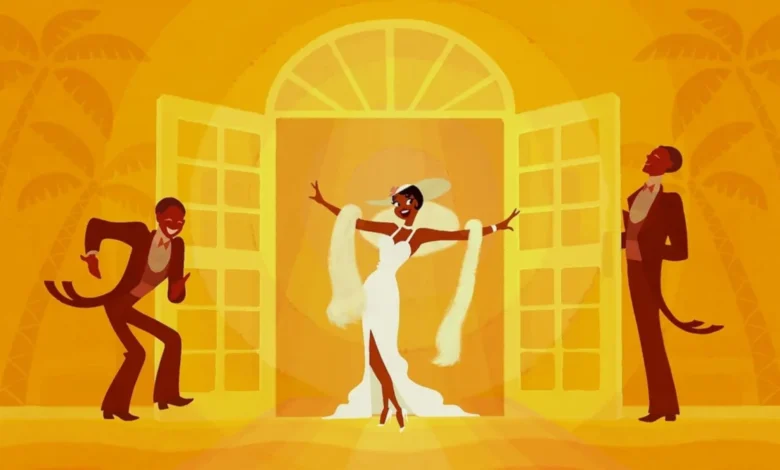
Amidst this landscape of remakes and re-evaluations, 2009’s The Princess and the Frog stands out as a significant entry in the Disney animation canon. Marking a triumphant return to traditional hand-drawn animation, the film was celebrated for its vibrant visuals, captivating jazz-infused soundtrack, and its enchanting New Orleans setting. More profoundly, The Princess and the Frog introduced Tiana, Disney’s first Black princess, a hardworking and ambitious aspiring chef whose dream of opening her own restaurant formed the narrative’s core. This was a monumental moment for representation within the Disney Princess franchise, offering a much-needed diverse protagonist to a global audience. The film garnered critical acclaim for its storytelling, characters, and cultural significance, reaffirming Disney’s capacity for original, impactful animation.
However, despite its many merits, the film harbored a central plot device that, for many years, has been a source of considerable frustration among fans: Tiana, as well as Prince Naveen, spent a significant portion – indeed, the majority – of the movie transformed into frogs. While essential to the plot, allowing for whimsical adventures through the bayou and exploring themes of inner beauty and self-discovery, this narrative choice inadvertently diminished the very representation the film sought to champion. Audiences, particularly those who had long awaited a Black Disney Princess, expressed disappointment that Tiana spent so much of her screen time as an amphibian, rather than in her human form, where her identity, expressions, and cultural resonance could be fully appreciated. This critique was not merely about a plot point; it was about the nuanced implications of representation, with fans yearning to see Tiana embody her role as a human princess throughout her journey.

Colman Domingo’s Vision: An Original Story for Princess Tiana
It is into this complex and often fraught environment that the news of Colman Domingo’s involvement in a live-action Tiana project has landed. Reports from industry publications, notably Deadline, indicate that Domingo is developing "an original live-action feature about Princess Tiana." This specific phrasing – "an original live-action feature" – is critically important. It suggests a fundamental departure from the direct remake model that has plagued Disney’s recent efforts. Instead of a re-tread of The Princess and the Frog, Domingo’s project appears to be an expansion of Tiana’s story, a new narrative arc focusing on the character rather than a simple live-action translation of her origin.
This distinction offers several strategic advantages. Firstly, it sidesteps the aforementioned "catch-22." By not being a direct remake, the film avoids the criticisms of either being too similar or too different from the original animated feature. It grants the creative team, presumably led or significantly influenced by Domingo, the freedom to explore new themes, introduce new characters, and develop Tiana’s journey in fresh, unforeseen ways, without the burden of strict fidelity to an existing narrative. Domingo, an Emmy-winning actor known for his profound dramatic performances in films like Rustin and series such as Euphoria and Fear the Walking Dead, brings a significant artistic sensibility and critical acumen to the project. While his specific role (actor, writer, producer, director) in this Tiana feature is yet to be fully clarified, his reported involvement implies a creative stewardship that could imbue the film with depth and originality. This move signals a potential shift in Disney’s live-action strategy, moving towards spin-offs or sequels that extend beloved universes rather than merely recreating them. Such an approach echoes the success of projects like Maleficent and Cruella, which, while based on existing villains, offered original origin stories or continuations rather than direct remakes.
Addressing the "Frog Time" Controversy: A Chance for Redress
The most compelling aspect of this reported "original feature" is its inherent capacity to finally rectify the long-standing "frog time" issue from The Princess and the Frog. By crafting a new story, the filmmakers are not bound by the original plot’s necessity for Tiana to spend much of her adventure as an amphibian. This opens the door for a narrative that centers Tiana in her human form, allowing for a more complete and continuous portrayal of her character, her aspirations, and her impact on the world.
Fans have been vocal about this desire for years. A Reddit discussion thread, for instance, titled "Tiana is finally getting her time back to shine," brimmed with comments expressing hopeful anticipation. One user articulated this clearly, stating, "I hope they do adapt princess and the frog, just with more time for human Tiana." Another commenter echoed this sentiment, replying, "Tiana with more human time would be fantastic and actually make sense to adapt LA." The enthusiasm is palpable, rooted in a collective wish to see Tiana fully realized as a human protagonist throughout her cinematic journey. "Better than her turning into a frog! I’m excited," another user succinctly put it, encapsulating the general mood.
The prevailing online discourse also suggests that Disney’s awareness of past controversies might be influencing this strategic shift. One commenter speculated, "I wonder if it’s because Disney doesn’t want to make a film where Tiana and Naveen spend most of the movie as frogs, which caused controversy and I think would be even more controversial now." While the internal motivations of the studio remain private, the consistent feedback from audiences regarding Tiana’s limited human screen time in the original film is undeniable. An "original feature" focused on Tiana, whether set before or after the events of The Princess and the Frog, could provide the narrative space needed to explore her character in her human form, fulfilling a long-held desire for more authentic and sustained representation. This move could not only placate existing fans but also attract new audiences who value diverse and empowering portrayals of beloved characters.
Fan Enthusiasm and the Quest for Authentic Representation
The initial fan reaction to the news of an original Tiana live-action project, particularly given its potential to address the "frog time" issue, has been overwhelmingly positive, marked by a cautious optimism. After years of witnessing direct remakes that often fell short, the prospect of a new, creatively driven narrative for a character as significant as Tiana is seen as a refreshing change. This enthusiasm is rooted in several factors: the desire for genuine creative expansion rather than mere replication, the opportunity for a beloved character to grow and evolve, and, most importantly, the affirmation of Tiana’s status as a pivotal figure in Disney’s diverse pantheon of princesses.
For many, Tiana represents more than just a character; she embodies ambition, resilience, and the breaking of traditional molds. Her story, set in the vibrant cultural landscape of 1920s New Orleans, offers rich thematic material for exploration. An original feature could delve deeper into her culinary dreams, her entrepreneurial spirit, her relationship with her community, or even her life after becoming a princess, exploring the challenges and triumphs of her reign. The emphasis on her human form in such a narrative would be a powerful statement, ensuring that the visual representation of a Black princess is continuous and central to the storytelling, thereby reinforcing the initial groundbreaking impact of her character.
Implications for Disney’s Future Live-Action Slate
The development of an original Tiana feature could signal a pivotal shift in Disney’s overarching live-action strategy. If successful, this approach could pave the way for a new era of adaptations that prioritize creative expansion and character development over direct, often criticized, remakes. Instead of merely replicating animated classics, Disney could focus on crafting sequels, prequels, or spin-offs that delve deeper into existing universes, offering fresh perspectives and compelling new narratives. This model allows the studio to leverage its vast library of beloved intellectual property while simultaneously addressing the creative fatigue and audience dissatisfaction that have plagued its recent efforts.
Such a strategic pivot would not only invigorate Disney’s live-action slate but also provide an opportunity to rebuild trust with its discerning audience. By demonstrating a willingness to listen to fan feedback and embrace innovative storytelling, Disney could reaffirm its commitment to creative excellence and meaningful representation. The potential success of an original Tiana film could serve as a blueprint for future projects, encouraging similar creative risks with other iconic characters and stories. This could lead to a more diverse and compelling array of live-action offerings, extending the life of cherished franchises while creating new legacies for generations to come. Ultimately, this Tiana movie could be a rare, much-needed addition to Disney’s live-action portfolio, offering not just entertainment, but also a significant step forward in creative integrity and representational depth.