A Legacy of Narrative Escalation
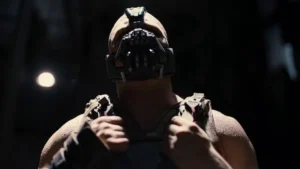
The Knightfall saga, which originally spanned DC comic titles from 1993 to 1994, is widely regarded as a watershed moment in the history of the Dark Knight. At the time of its publication, the storyline was designed to fundamentally challenge the status quo of Gotham City. By systematically dismantling Batman’s physical and psychological defenses through a war of attrition orchestrated by Bane, writers and editors at DC Comics successfully executed a paradigm shift that had long-term ramifications for the character.
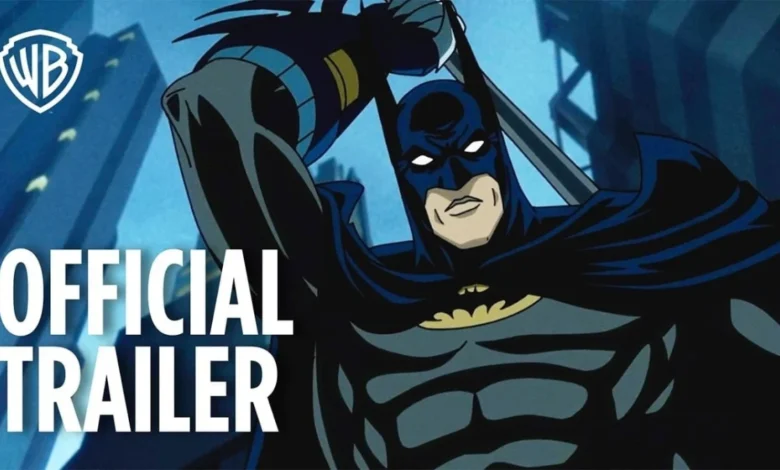
In the upcoming animated feature, the narrative picks up from the aftermath of the iconic "back-breaking" sequence. With Bruce Wayne sidelined by paralysis, the vacuum of power in Gotham is immediate. The film explores the desperation of the Bat-family as they seek a replacement to maintain order in a city spiraling toward chaos. The selection of Jean-Paul Valley—an individual conditioned by a secret religious order known as the Order of St. Dumas—introduces a sharp contrast to the moral code established by Wayne. As Valley assumes the mantle, the central conflict of Knightquest becomes the struggle between justice and vengeance, a core dichotomy that has defined the character of Azrael since his inception.
Production and Creative Leadership
The project retains the creative team that has become a staple of modern DC animated productions. Jeff Wamester, who has previously helmed several high-profile projects within the DC animated universe, returns to the director’s chair. His work is supported by screenwriter Jeremy Adams, whose background in crafting character-driven narratives for both comics and film positions him to handle the intense psychological shifts inherent in the Knightquest story. The production team, including Jim Krieg, Rick Morales, and Kimberly S. Moreau, brings a wealth of experience in managing high-stakes franchise adaptations. Their collective goal is to balance the visceral action sequences demanded by the source material with the nuanced character study required to make Valley’s descent into violence compelling rather than merely performative.
Chronology of the Knightfall Trilogy
The Knightfall trilogy is structured to mirror the three-act arc of the original comic event, which was divided into "Knightfall," "Knightquest," and "KnightsEnd." The progression of these animated films follows a precise timeline designed to sustain fan engagement over several years:
- Knightfall (Part One): Established the arrival of Bane and his systematic release of Arkham Asylum inmates to exhaust Batman’s resources. This act concluded with the permanent injury of Bruce Wayne.
- Knightquest (Part Two): Scheduled for late 2026, this chapter covers the emergence of Jean-Paul Valley as the new Batman. It focuses on the public’s changing perception of the vigilante as Valley’s methods grow increasingly lethal.
- KnightsEnd (Part Three): Though yet to be formally dated, this concluding chapter will likely address the return of a recovered Bruce Wayne and the inevitable confrontation between the original Batman and his disillusioned successor.
This episodic approach allows the animation studio to provide a level of detail that would be difficult to condense into a single feature-length film, ensuring that the thematic weight of the original comic is preserved.
Thematic Implications and Cultural Context
The significance of the Knightfall saga extends beyond simple superhero combat. It serves as a critique of the 1990s comic book industry trend, where "grim and gritty" protagonists replaced classic heroes. By casting Jean-Paul Valley as an anti-hero who ignores the traditional "no-kill" rule, the story forces the audience to confront the dangers of vigilante justice when detached from moral restraint.
From a production standpoint, the transition to animation offers a unique opportunity to translate the dense, multi-issue comic narrative into a cohesive visual format. The animation style is expected to lean into the atmospheric noir aesthetic of Gotham, utilizing high-contrast lighting and kinetic fight choreography to highlight the difference between Bruce Wayne’s precise, martial arts-based combat and Valley’s brutal, weaponized approach.
Industry and Fan Reception
The announcement of the trailer has generated significant interest across digital platforms. Historically, DC’s direct-to-video animation division has maintained a loyal audience that values fidelity to source material combined with modern storytelling sensibilities. Market analysis indicates that adaptations of "event" comic series, such as The Dark Knight Returns or The Death of Superman, consistently perform well in both physical and digital sales, suggesting that the Knightfall trilogy is positioned to be one of the most successful ventures for Warner Bros. Home Entertainment in the current decade.
Fan feedback, aggregated through channels such as the official social media presence of the World’s Finest community, highlights an anticipation for how the studio will handle the visual evolution of the Batman suit. The suit worn by Valley—a mechanized, armor-heavy design—is a hallmark of the 1990s aesthetic and represents a stark visual departure from the traditional cape and cowl. The design choices for the film are expected to be a major talking point as the release date approaches.
Supporting Data: The Scope of the Project
To contextualize the scale of this project, it is worth noting the breadth of the original source material. The Knightfall event spanned nearly 20 individual comic book issues in its primary run, excluding the numerous tie-ins that populated the Detective Comics and Batman titles of the era. The decision to adapt this into a three-part feature film series suggests a commitment to long-form storytelling that mirrors the episodic nature of the comic event itself.
Furthermore, the late 2026 release window provides the production team with ample time for post-production refinement. As the animation industry continues to incorporate advancements in digital rendering and frame-rate optimization, the visual quality of these features has seen a marked increase in fidelity. The 2026 target indicates a calculated strategy to ensure the film remains at the forefront of the home entertainment market, likely aligning with promotional pushes for other DC-related media projects.
The Future of the Animated Universe
As Warner Bros. continues to navigate the complexities of its intellectual property landscape, the Knightfall trilogy serves as a cornerstone of its "Elseworlds" or standalone-style animated strategy. By focusing on definitive comic book arcs, the studio provides a low barrier to entry for casual viewers while satisfying the long-term demands of comic book purists.
The focus on the internal psychological decay of Jean-Paul Valley provides a darker, more mature tone than previous entries in the DC animated catalog. This shift toward darker narrative themes mirrors the current trend in mainstream media, where audiences are showing a higher propensity for complex, morally grey protagonists.
In conclusion, Batman: Knightfall, Part Two: Knightquest represents a significant investment in legacy storytelling. By anchoring the narrative in the trauma of the protagonist and the radical shifts in the environment of Gotham City, the creative team is poised to deliver a film that respects the historical weight of the source material while utilizing the strengths of modern animation to create an immersive experience. As the release date in late 2026 approaches, the industry will be watching to see how this second chapter bridges the gap between the fall of the legend and the inevitable, high-stakes resolution of the saga.