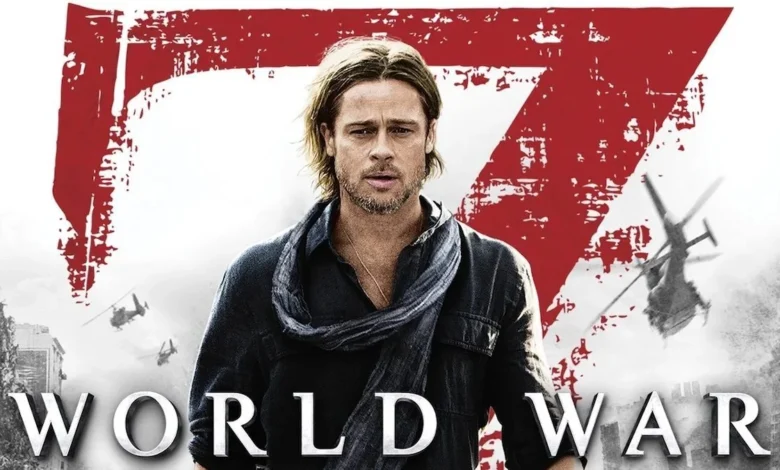
Edward Berger, whose recent work on the acclaimed film Conclave has solidified his status as a premier cinematic voice, will direct the sequel. The project reunites Berger with Pitt following their successful collaboration on the upcoming A24 feature The Riders. The screenplay for the sequel is currently being penned by Dennis Kelly, the acclaimed writer known for his work on the series Utopia and the adaptation of Matilda: The Musical.
A Decade of Development Hell
The road to a World War Z sequel has been marked by repeated delays, creative shifts, and budgetary concerns. Following the release of the first film, which garnered a significant $540 million at the worldwide box office, Paramount immediately began exploring a follow-up. In the years following the 2013 release, the studio engaged various high-profile filmmakers, most notably David Fincher.
Fincher’s attachment to the project was widely reported in the mid-2010s, with fans and industry analysts alike anticipating a gritty, high-concept approach to the zombie genre. However, despite months of pre-production and script development, the project failed to move forward. The primary obstacle was reported to be budgetary constraints, as the studio grew increasingly cautious about the escalating costs associated with large-scale tentpole productions.
The project subsequently entered a period of dormancy, with Pitt’s production company, Plan B Entertainment, moving on to other endeavors. The recent decision to revive the property suggests that the studio has re-evaluated the market potential for established genre films, particularly those that can be executed under the creative vision of a director like Berger, who is known for balancing narrative tension with high-stakes human drama.

The Original Film’s Legacy
Released in June 2013, World War Z was a loose adaptation of Max Brooks’ 2006 novel, World War Z: An Oral History of the Zombie War. The film deviated significantly from the source material, abandoning the book’s epistolary, global-perspective structure in favor of a traditional action-thriller narrative focused on a single protagonist. While the film was a commercial success, it received mixed reviews from critics, who praised the intensity of the set pieces but noted a lack of depth in the character development compared to the source novel.
The film’s conclusion, in which Gerry Lane discovers a method to camouflage humanity from the infected, provided a definitive ending while leaving the door open for future installments. The challenge for the sequel’s creative team will be to establish a compelling reason for the conflict to reignite. With the world having seemingly stabilized, the narrative must address how a secondary outbreak could occur, or how the geopolitical landscape has shifted in the shadow of the near-extinction event.
Industry Context and Strategic Implications
The resurrection of the World War Z franchise is indicative of a broader trend in Hollywood: the reliance on established intellectual property (IP) to mitigate financial risk. As studios face increasing competition from streaming platforms and changing consumer viewing habits, the return to proven franchises—even those that have been dormant for extended periods—has become a standard business practice.
The involvement of Edward Berger is particularly noteworthy. Berger’s reputation for delivering sophisticated, character-driven cinema suggests that the sequel may attempt to pivot toward a more grounded or politically resonant tone. By pairing a blockbuster star like Pitt with an auteur-style director, Paramount is attempting to capture both the mainstream audience that enjoyed the original’s spectacle and a more discerning demographic interested in elevated genre storytelling.
Furthermore, the choice of Dennis Kelly as the screenwriter provides a specific tonal direction. Kelly’s background in dark, satirical, and highly stylized television suggests that the sequel might incorporate elements of social commentary, moving beyond the standard “survivalist” tropes that defined the early 2010s zombie boom.
Chronology of the Franchise
- 2006: Max Brooks publishes World War Z: An Oral History of the Zombie War.
- 2013: The film adaptation of World War Z is released, grossing $540 million worldwide.
- 2014-2016: Paramount announces intent to develop a sequel; several directors are attached and eventually depart.
- 2017-2019: David Fincher is attached to direct; significant script development occurs, but budget issues eventually stall production.
- 2020-2025: The project remains in development limbo as Brad Pitt focuses on other production and acting projects, including The Riders.
- 2026: Paramount confirms the deal with Brad Pitt and Edward Berger; Dennis Kelly is named as the screenwriter.
Market Analysis: Is the Genre Still Relevant?
The zombie subgenre experienced a massive surge in popularity between 2005 and 2015, driven by projects like The Walking Dead, the Resident Evil franchise, and the original World War Z. However, market saturation led to a decline in audience interest toward the late 2010s. For a World War Z sequel to succeed in the current climate, it must offer something distinct from the standard fare.
The "zombie fatigue" that has permeated pop culture discourse is a real factor. Audiences have seen countless iterations of the post-apocalyptic narrative, ranging from low-budget horror to high-concept dramas. To differentiate itself, the upcoming sequel will likely need to lean heavily into the geopolitical elements hinted at in the original book but largely ignored in the first film. The return of Gerry Lane provides a tether to the original, but the success of the film will ultimately depend on its ability to modernize the threat.
Expected Production and Release Timeline
While an official release date has not been set, the alignment of Pitt and Berger’s schedules suggests that pre-production will begin in the coming months. Given the scale of production typically required for a film of this nature, industry experts anticipate a production window beginning in early 2027.
The studio has not released statements regarding the rest of the cast or the specific plot details. However, the collaboration between Pitt’s Plan B Entertainment and Paramount indicates a high level of institutional support for the project. If the production stays on schedule, a theatrical release could be expected by 2028 or 2029.
As Hollywood continues to navigate an era defined by franchise sustainability, the return of World War Z will serve as a bellwether for the longevity of the zombie genre. Whether the sequel can recapture the financial success of its predecessor or even exceed it will depend on the creative synthesis of Berger’s direction and the star power of its lead. For now, the reanimated project stands as a testament to the persistent viability of established titles in a risk-averse industry.