Two Classic Retro Shooters Receive Surprise Multiplatform Releases Courtesy of Hamster Corporation

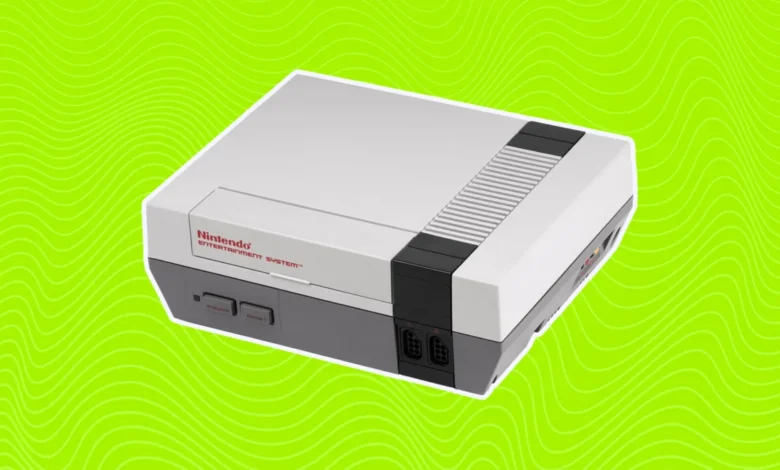
In a move designed to appeal to nostalgic enthusiasts and historians of interactive entertainment, retro game preservationist Hamster Corporation has executed a surprise dual release of two influential arcade and Nintendo Entertainment System (NES) titles. The newly launched software brings the 1987 vertical scrolling shooter Thundercade—widely recognized by its original arcade iteration and subsequent 1989 home console port—alongside the 1986 side-scrolling classic Stinger, to an expanded array of contemporary gaming hardware.
These surprise deployments follow a consistent publishing cadence maintained by the Japanese studio, which routinely revitalizes vintage intellectual properties from the golden eras of arcade and console gaming. Both titles are now accessible across a wide demographic of modern platforms, bridging a decades-long technological gap through targeted software emulation and quality-of-life enhancements.
Platform Availability and Pricing Structure
The modern deployment strategy for both Thundercade and Stinger utilizes a tiered pricing model mapped across legacy and current-generation hardware ecosystems. For owners of eighth-generation and older accessible machines—specifically the PlayStation 4 and the Nintendo Switch—the titles are available for purchase at a standard baseline price of $7.99 USD.
Conversely, releases tailored for current-generation high-performance hardware, including the PlayStation 5, Xbox Series X, PC, and the anticipated Nintendo Switch 2, are priced at $9.99 USD. To accommodate consumers transitioning between hardware generations, Hamster Corporation has implemented a cost-effective upgrade path. Players who previously acquired or choose to purchase the titles on older-generation platforms can transition their license to the newer hardware iterations for a supplementary fee of $2.99 USD.
This pricing architecture reflects standard industry practices for digital retro re-releases, balancing accessibility for legacy system owners while accounting for the engineering overhead required to optimize older software for modern, high-refresh-rate architectures.
Historical Chronology and Development Pedigree
Understanding the significance of these releases requires examining the complex historical lineage of both titles, which originated during a period of rapid evolution in coin-operated and home console game development.
Thundercade: From Arcades to the NES
Thundercade, known originally in Japan as Twin Formation, debuted in amusement arcades in 1987. Developed by Seta Corporation and published by Taito, the arcade title established a reputation for its frenetic vertical-scrolling action and distinctive military aesthetic. In 1989, the intellectual property was adapted for home audiences, resulting in the iconic NES version. This home port was developed by Micronics and published by Sammy Corporation—an enterprise that would later merge with Sega to form Sega Sammy Holdings.
For decades, the NES iteration remained the sole home console home for Thundercade, cementing its status as a cult classic among collectors of late-1980s software. The narrative premise casts the player as a specialized military operative tasked with infiltrating a heavily fortified enemy stronghold. The primary gameplay mechanic revolves around navigating this hostile territory aboard a high-speed, machine-gun-equipped motorcycle, combining vehicular combat with traditional shoot-’em-up mechanics.
Stinger: A Famicom and NES Staple
Stinger boasts an even deeper historical footprint within Nintendo’s hardware lineage. Originally launched in Japan in 1986 for the Famicom Disk System—an add-on peripheral for the Family Computer—the game made its way to North American NES audiences in 1987. Unlike Thundercade, Stinger has experienced broader re-release support over the years. It previously transitioned to the Nintendo Switch and PlayStation 4 via digital storefronts, and enjoyed earlier digital preservation phases on the Nintendo Wii Virtual Console in 2010 and the Wii U Virtual Console in 2015.
In Stinger, players pilot the titular spacecraft, Stinger Wolf, on a perilous trajectory toward the epicenter of an alien installation inhabited by hostile extraterrestrial life forms. The title famously supports cooperative mechanics, pairing the primary vessel with an autonomous, friendly robotic companion named BONGO, which assists in neutralizing incoming threats.
Modern Enhancements and Quality-of-Life Additions
To bridge the gap between 1980s hardware limitations and contemporary display standards, Hamster Corporation’s emulation framework introduces a suite of robust modernization tools. While preserving the core gameplay loops, pixel art, and chiptune audio of the original releases, the newly published versions include:
- Save States and Multiple Slots: Players can save their progress at any point during gameplay, eliminating the unforgiving progression walls typical of 1980s coin-op design.
- Rewind Functionality: A real-time rollback feature allows users to instantly correct mistakes, lowering the barrier to entry for modern audiences accustomed to checkpoints.
- Difficulty and Display Customization: Adjustable difficulty parameters allow users to tailor the challenge, while screen aspect ratio, scaling, and filter settings optimize visual fidelity for modern high-definition and 4K monitors.
- Rapid-Fire Integration: Built-in rapid-fire toggles alleviate physical fatigue during intense barrage sequences.
- Global Leaderboards: Online score-tracking infrastructure encourages competitive replayability among retro enthusiasts worldwide.
- Variable Refresh Rate (VRR) Support: Ensures smooth frame-pacing and input responsiveness, closely replicating the fluid performance of original arcade cathode-ray tube (CRT) monitors.
Industry Implications and the Retro Preservation Movement
The stealth release of Thundercade and Stinger highlights a broader, ongoing trend within the video game industry: the systematic preservation and commercial monetization of legacy software through digital distribution. As physical retro game markets experience unprecedented price inflation, digital emulation initiatives by specialized entities like Hamster Corporation play a critical role in cultural heritage preservation.
Historically, the commercial lifespan of arcade and console titles from the 1980s and 1990s was limited by the physical degradation of hardware and licensing complexities. Corporate acquisitions and studio closures—such as the absorption of Sammy Corporation into Sega—frequently result in orphaned intellectual properties that are legally difficult to redistribute. By successfully navigating these licensing webs and deploying reliable emulation pipelines, publishers ensure that foundational works of digital art remain accessible to contemporary scholars, developers, and casual players alike.
Furthermore, the inclusion of current-generation platforms—including forward-looking compatibility for nascent hardware ecosystems such as the anticipated Nintendo Switch 2—demonstrates a proactive approach to hardware transitions. Rather than abandoning legacy software catalogs during generational shifts, publishers are establishing continuous digital ecosystems where classic software migrates seamlessly alongside modern blockbusters.
Outlook for Retro Gaming Enthusiasts
Hamster Corporation’s operational model relies on a consistent, predictable release schedule. The Tokyo-based developer typically introduces two classic arcade or console titles to digital storefronts every week. Consequently, consumers who find themselves indifferent to the military vehicular combat of Thundercade or the cosmic expeditions of Stinger can anticipate a fresh rotation of nostalgic software properties in the subsequent publishing cycle.
As digital marketplaces continue to mature, the viability of retro preservation models depends on balancing consumer affordability with sustainable software maintenance. With flexible pricing tiers, comprehensive quality-of-life adjustments, and multiplatform availability, the latest deployment from Hamster Corporation underscores the enduring commercial and cultural value of 1980s interactive entertainment.
Related posts: