Elizabeth Olsen’s Enigmatic Silence on Avengers: Doomsday Fuels Fan Speculation Amidst Multiverse Saga Anticipation

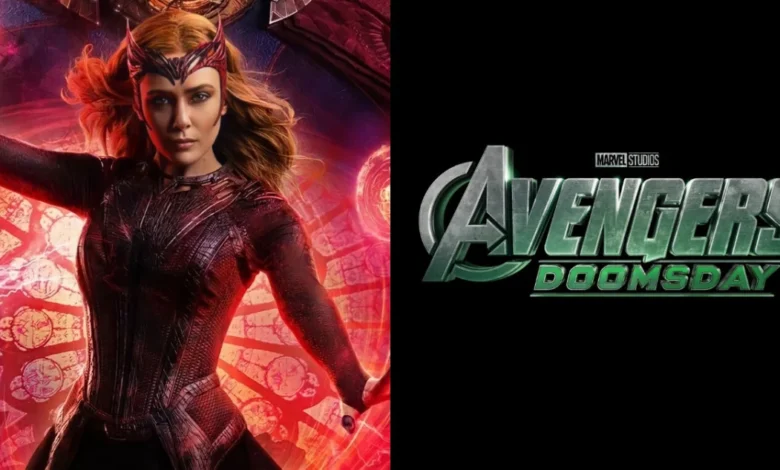
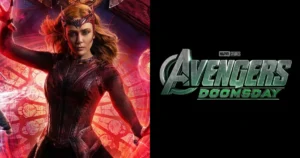
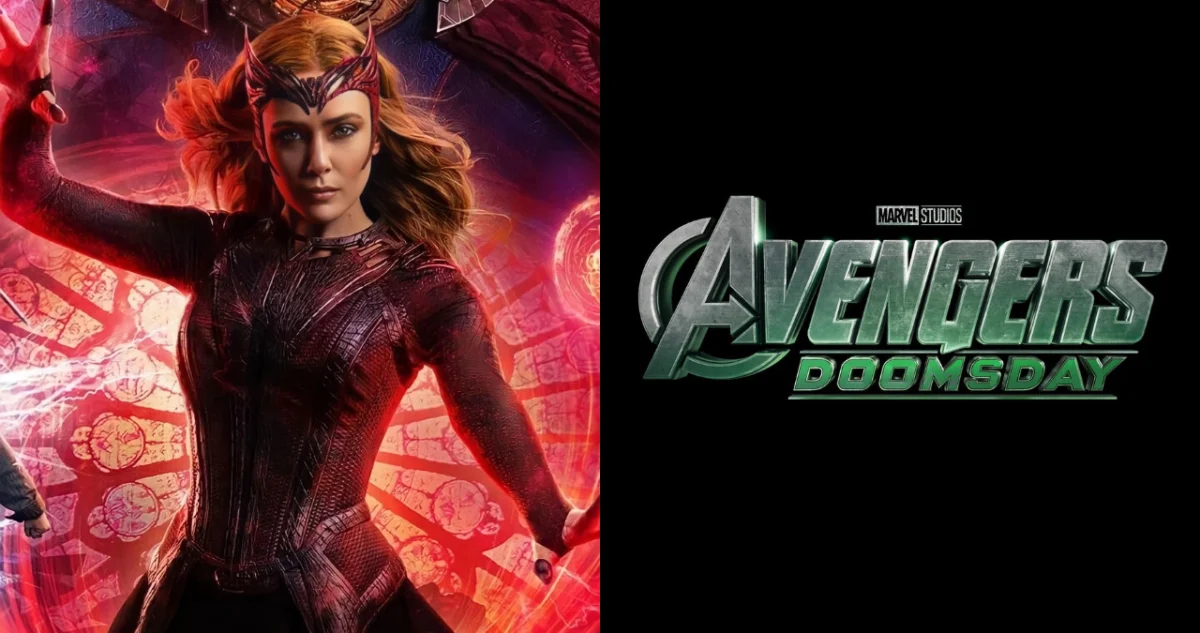
The swirling vortex of speculation surrounding the Marvel Cinematic Universe’s highly anticipated Avengers: Doomsday intensified recently as actress Elizabeth Olsen, known for her powerful portrayal of Wanda Maximoff, the Scarlet Witch, offered a characteristically coy response regarding her involvement in the upcoming film. Her appearance at the Chicago Comics and Entertainment Expo (C2E2) provided a brief, yet impactful, moment that has sent ripples through the fan community, highlighting the enduring mystery around one of the MCU’s most transformative characters and the tightly guarded secrets of Marvel Studios.
Olsen, whose character has arguably been one of the most central and impactful figures in the MCU’s narrative over the last several years, claimed to "know nothing" about Avengers: Doomsday, even expressing confusion about the sequence of Secret Wars films. This statement, delivered with a casual nonchalance, has been met with a mix of acceptance and deep skepticism by fans and industry observers alike, given the well-established precedent of Marvel actors employing strategic misdirection to protect major plot points. The Scarlet Witch’s journey, from a Sokovian experiment to a powerful Avenger and eventually a multiversal threat, has been a cornerstone of the franchise’s emotional and cosmic arcs, leaving an indelible mark that continues to resonate long after her apparent demise.
The Scarlet Witch’s Enduring Legacy and Narrative Trajectory
Wanda Maximoff’s introduction to the Marvel Cinematic Universe in Avengers: Age of Ultron (2015) alongside her brother Pietro, established her as a formidable, if initially volatile, force. Her powers, initially presented as telekinesis and mental manipulation, rapidly evolved, showcasing glimpses of her true potential. Following Pietro’s death, Wanda’s grief became a defining characteristic, propelling her through Captain America: Civil War (2016) and her subsequent integration into the Avengers. By Avengers: Infinity War (2018) and Avengers: Endgame (2019), she had cemented her status as one of the most powerful heroes, capable of holding her own against Thanos and even nearly defeating him.
However, it was the Disney+ series WandaVision (2021) that fully unleashed the Scarlet Witch. The series delved deep into Wanda’s trauma and grief following Vision’s death, leading her to unconsciously create an idyllic, false reality in Westview. This exploration of her powers and psychological state culminated in her full embrace of the Scarlet Witch persona, a nexus being prophesied to wield chaos magic. This transformation, while visually stunning and narratively rich, also hinted at a darker path, as she began studying the Darkhold, an ancient book of dark magic.
This darker trajectory reached its climax in Doctor Strange in the Multiverse of Madness (2022). Driven by the corrupted influence of the Darkhold and her desire to reunite with her children, Billy and Tommy, from an alternate reality, Wanda became the film’s primary antagonist. Her rampage across the multiverse, her ruthless pursuit of her goal, and the sheer scale of her destructive power showcased a character completely unchained. The film concluded with Wanda seemingly sacrificing herself to destroy all copies of the Darkhold, bringing down Mount Wundagore upon herself. Her fate was left ambiguous, with a flash of red light beneath the rubble suggesting a potential survival or transformation rather than definitive death.
The ambiguity of her "death" has been a constant source of discussion. In a universe where characters frequently return from the grave, and where the multiverse allows for infinite variants, the idea that the Scarlet Witch is truly gone feels premature to many. Her powers are too vast, her narrative impact too profound, and her connection to foundational Marvel lore too significant to simply be written off. This background forms the bedrock of why any hint of her return, especially in a pivotal film like Avengers: Doomsday, ignites such fervent debate.
The Context of Avengers: Doomsday and the Multiverse Saga
Avengers: Doomsday, scheduled for release in December 2026, is poised to be the penultimate film of the Multiverse Saga, leading directly into Avengers: Secret Wars in May 2027. This saga, initiated with Loki and Doctor Strange in the Multiverse of Madness, explores the vast implications of a fractured multiverse, introducing concepts like variants, incursions, and the overarching threat of Kang the Conqueror. The title "Doomsday" itself carries significant weight, evoking a sense of impending catastrophe and potentially signaling the introduction of one of Marvel’s most iconic and formidable villains: Doctor Doom.
Victor Von Doom, the monarch of Latveria and archenemy of the Fantastic Four, is a character whose intellect, magical prowess, and sheer force of will make him a multiversal threat on par with, or even exceeding, Kang. His potential central role in Avengers: Doomsday would necessitate a conflict of epic proportions, requiring heroes and villains of immense power. Given Wanda’s comic book history, which includes significant interactions with Doom (e.g., in Avengers: Children’s Crusade where he is involved in bringing her children back, or in the Secret Wars comic event itself where he plays a god-like role), her return would not only be narratively convenient but also thematically resonant.
The Multiverse Saga is characterized by its exploration of alternate realities, parallel versions of characters, and the collision of these different universes. This framework provides numerous avenues for Wanda Maximoff’s reintroduction. She could return as a resurrected version of the prime MCU Scarlet Witch, a variant from another reality, or even a more powerful, evolved form emerging from the rubble of Wundagore. The sheer scale of multiversal threats requires equally powerful defenders, and the Scarlet Witch, with her chaos magic, would be an invaluable asset – or a dangerous wild card.
Analyzing Elizabeth Olsen’s C2E2 Statements

At C2E2, when pressed about Avengers: Doomsday, Olsen responded, "I know nothing. I know about VisionQuest, because I’ve seen Paul [Bettany] in the last six months. I know nothing about any of it. Is [Secret Wars] what happens after? I’m not kidding. Why did I think there were two Secret Wars? Are there not?"
This statement is classic Marvel actor deflection. The practice of actors feigning ignorance or outright denying involvement in upcoming projects is a well-worn tradition in the MCU. Notable examples include Mark Ruffalo denying Hulk’s appearance in Captain America: Civil War, and perhaps most famously, Andrew Garfield and Tobey Maguire’s exhaustive denials of their roles in Spider-Man: No Way Home right up until the film’s release. Such tactics are employed to maintain the element of surprise, a crucial component of Marvel Studios’ marketing strategy. For an actress of Olsen’s caliber, whose character is intrinsically tied to many of the saga’s current mysteries, being privy to such information and being under strict non-disclosure agreements is almost a certainty.
Her mention of VisionQuest is particularly intriguing. VisionQuest is an upcoming Disney+ series centered on Vision, which is expected to explore his new white form and potentially his memories of Wanda. Olsen’s acknowledgment of having seen Paul Bettany (Vision) in the past six months, and her knowing about VisionQuest, suggests that she is still connected to the larger MCU ecosystem, even if not directly involved in Doomsday at this very moment. It also opens the door for her character’s return in VisionQuest itself, which could then lay the groundwork for a larger role in the Avengers films.
Her feigned confusion about Secret Wars (initially announced as two films, but later consolidated into one) could be a genuine slip, a clever misdirection, or a subtle way of hinting at the complexity of the saga that she is indeed aware of. Regardless, the entire interaction serves to further amplify the mystery rather than resolve it.
Supporting Data and Rumors: The Inevitability of Return?
The persistent rumors surrounding Scarlet Witch’s return are not baseless speculation; they are often fueled by leaked casting calls, insider reports (even if unofficial), and logical narrative progression. Many fans and analysts believe that her return is not a matter of "if" but "when" and "how."
One of the strongest arguments for her return lies in the concept of the "Mutant Saga" which Olsen herself alluded to in a previous interview. The Scarlet Witch’s comic book origins are deeply intertwined with mutantkind, specifically her identity as the daughter of Magneto and her role in pivotal mutant storylines like "House of M," where she famously uttered "No More Mutants." With the X-Men and other mutants gradually being introduced into the MCU (e.g., Ms. Marvel, Deadpool & Wolverine), Wanda’s character could serve as a crucial bridge, a historical figure, or even a catalyst for the full integration of mutants. Her unique relationship with magic and her reality-altering powers make her an unparalleled force in shaping the new mutant landscape.
Furthermore, the sheer power level of the Scarlet Witch makes her an almost indispensable asset in a multiversal war. The threats posed by Kang, Doctor Doom, and potential incursions demand heroes of extraordinary capabilities. Wanda’s ability to manipulate reality and wield chaos magic could be the key to averting multiversal collapse, or conversely, a force that could worsen it. Her arc in Multiverse of Madness, while villainous, also established her as arguably the most powerful individual in the MCU at that time. To sideline such a character permanently in the face of the greatest threats the universe has ever known seems narratively unlikely.
The potential for a redemption arc also plays a significant role. Her actions in Multiverse of Madness, while horrifying, stemmed from profound grief and manipulation by the Darkhold. A return could offer her a path to atone for her past, wielding her powers for good and finding a more stable, heroic identity. This would be a compelling narrative for a character who has consistently struggled with her identity and the immense burden of her powers.
Broader Impact and Implications for the MCU’s Future
The potential return of the Scarlet Witch in Avengers: Doomsday carries significant implications for the future of the MCU:
- Narrative Cohesion: Her return would tie together lingering plot threads from WandaVision and Doctor Strange in the Multiverse of Madness, providing a sense of closure and continuity for one of the saga’s most complex characters. It would also validate the emotional investment fans have made in her tumultuous journey.
- Multiversal Stakes: Her presence would immediately elevate the stakes of Doomsday. Whether as an ally, an antagonist, or a wild card, her powers are such that her involvement would significantly alter the balance of power in any conflict.
- Mutant Integration: As discussed, her character is uniquely positioned to facilitate the full integration of mutants into the MCU. Her comic book history with Magneto and the "House of M" storyline could be adapted, offering a compelling entry point for the X-Men.
- Redemption Arc Potential: A return provides a rich opportunity for a redemption arc, allowing Wanda to confront her past actions and choose a different path. This would resonate deeply with themes of responsibility and the consequences of power that are central to the MCU.
- Fan Engagement: The speculation and anticipation around her return demonstrate the character’s immense popularity and the impact she has had on the fanbase. Her reappearance would undoubtedly generate massive excitement and engagement.
As the Multiverse Saga progresses, Marvel Studios continues its tradition of meticulous secrecy. While Elizabeth Olsen’s recent comments at C2E2 offered little concrete information, they did precisely what Marvel’s carefully orchestrated media strategy intends: keep the conversation alive, the theories flowing, and the anticipation building. The Scarlet Witch’s fate remains one of the MCU’s most tantalizing mysteries, and whether she truly knows "nothing" about Avengers: Doomsday, or is merely a master of misdirection, fans will undoubtedly be watching for any flicker of red magic on the horizon. With Avengers: Doomsday set for release in December 2026, the long wait for answers continues, ensuring that the enigma of Wanda Maximoff will remain a central topic of discussion in the ever-evolving Marvel Cinematic Universe.
Related posts: