Xbox Restructuring and Sweeping Layoffs Send Shockwaves Through the Gaming Industry as Studios Face Closure and Reassignment

The video game industry is reeling following a devastating second wave of corporate restructuring and layoffs at Microsoft’s Xbox division, a move that has fundamentally altered the organizational structure of one of the world’s largest gaming conglomerates. The sweeping cuts have effectively dismantled legendary internal studios, threatened the future of critically acclaimed franchises, and redistributed major development houses under the direct publishing oversight of Bethesda and Activision. As developers and communities process the sudden upheaval, industry analysts are raising serious questions about Microsoft’s long-term strategy for balancing artistic risk with commercial predictability in an increasingly volatile market.
The human and creative toll of this week’s announcement is staggering. Most notably, the cuts include the impending total closure of Ninja Theory, the Cambridge-based studio renowned for its psychologically deep, narrative-driven action games such as the Hellblade series. Simultaneously, the historic Halo Studios (formerly 343 Industries) has been severely downsized to a fraction of its former capacity, while Age of Empires developer World’s Edge has seen its workforce halved. In a strategic consolidation of its corporate hierarchy, Microsoft has also stripped these studios of their direct reporting lines to Xbox leadership, re-delegating them to its acquired publishing labels. Under the new paradigm, Obsidian Entertainment now answers directly to Bethesda, while Rare, World’s Edge, and Halo Studios have been placed under the purview of Activision.
A Chronology of Corporate Consolidation and Contraction
To understand the weight of the current restructuring, it is necessary to examine the trajectory of Microsoft’s aggressive acquisition strategy over the past decade. Beginning in earnest around 2018, Xbox embarked on a massive shopping spree, absorbing high-profile independent developers including Obsidian Entertainment in 2018, Ninja Theory in 2018, and later sealing the monumental $68.7 billion acquisition of Activision Blizzard in late 2023.
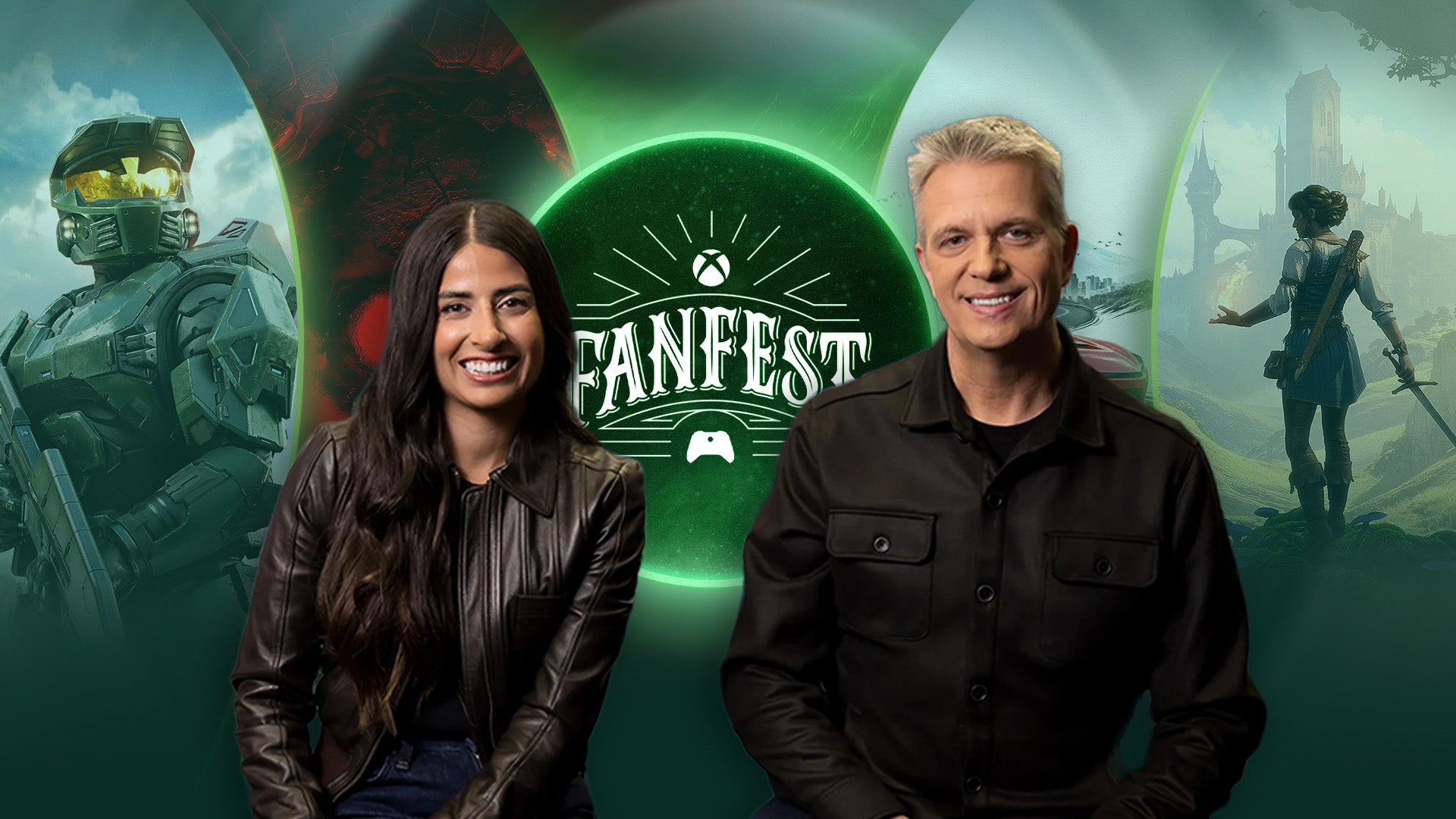
Initially framed as a golden era for these studios—promising freedom from the traditional pressures of external publishers and adequate funding for creative endeavors—the reality of post-acquisition integration has proven harsh. Throughout 2024 and 2025, Microsoft enacted incremental workforce reductions, culminating in major studio closures such as Tango Gameworks and Arkane Austin. However, the latest wave represents a more structural shift: a move away from decentralized, studio-led management toward centralized publishing umbrellas. By folding esteemed independent creators into the established machinery of Bethesda and Activision, Microsoft is signaling a definitive pivot toward risk mitigation, leaning heavily on proven, high-yield intellectual properties while pruning projects deemed commercially unviable.
Studio-by-Studio Breakdown: Impact and Community Reaction
The ripple effects of the restructuring have manifested swiftly across online communities, with developers maintaining a stark public silence while player bases voice profound anxiety over the future of their favorite franchises.
Ninja Theory and the Death of Triple-A Arthouse
The closure of Ninja Theory stands as the most poignant casualty of the latest cuts. Only three months prior to the announcement, studio representatives stood proudly on stage at the Xbox Games Showcase to reveal Senua, the third installment in the critically acclaimed Hellblade franchise. For fans and industry observers alike, the whiplash of showcasing a major new title only to dissolve the studio responsible for it has sparked widespread cynicism. Many community members on dedicated forums have suggested that the public reveal was merely a calculated maneuver to artificially inflate the studio’s perceived value or maintain consumer confidence ahead of an internal wind-down.
Ninja Theory occupied a rare, highly respected niche in the modern gaming landscape: a studio capable of delivering production values approaching traditional triple-A standards while maintaining the thematic vulnerability, artistic integrity, and concise storytelling of an independent arthouse project. The loss of such a studio highlights a bleak reality for mid-tier, narrative-focused games within major corporate portfolios, where profitability margins are scrutinized relentlessly against massive open-world live-service titles.

Obsidian Entertainment and the Bethesda Umbrella
Obsidian Entertainment, celebrated for deep role-playing games like Fallout: New Vegas, Pillars of Eternity, and The Outer Worlds, finds itself newly integrated into Bethesda Softworks. While Bethesda leadership has publicly assured the public that Obsidian’s distinct creative identity will remain intact, community reception has been mixed.
Obsidian’s immediate pipeline includes the ongoing early-access expansion of survival game Grounded 2 and the upcoming DLC expansions for The Outer Worlds 2. However, long-term concerns persist regarding the studio’s creative autonomy. With Microsoft simultaneously positioning Bethesda at the center of its massive Fallout revival initiatives—including pre-production on Fallout 5 and rumored remasters—fans on social platforms have expressed fear that Obsidian may be permanently relegated to a support or spin-off role, limiting its capacity to develop original intellectual properties like Avowed.
Rare, World’s Edge, and the Activision Realignment
The reassignment of Rare and World’s Edge to Activision has prompted immediate anxiety among long-term fans of Sea of Thieves and the Age of Empires franchise. On Reddit and other community hubs, satirical memes depicting sinking ships underscored a deep-seated fear that Activision’s aggressive monetization strategies—historically centered around cross-promotional microtransactions, battle passes, and licensed cosmetic crossovers in franchises like Call of Duty—will inevitably bleed into Rare’s pirate sandbox.
Despite these community apprehensions, financial data indicates that Sea of Thieves remains a lucrative, albeit aging, asset for Xbox, maintaining a steady player base across both PC and PlayStation ecosystems following its multiplatform rollout. Meanwhile, World’s Edge faces an uncertain future in maintaining the robust support lifecycle of Age of Empires II: Definitive Edition following deep cuts to its internal development staff.

Playground Games and Turn 10 Studios
The quiet consolidation of Forza developers Turn 10 Studios and Playground Games has essentially confirmed what many racing genre enthusiasts had long suspected: the traditional standalone model of Forza Motorsport has reached the end of its viability in its current form. Following the lukewarm commercial and critical reception of recent motorsport iterations, the merged entity is widely expected to pool its remaining talent into supporting Playground’s ongoing development of the long-awaited Fable reboot, as well as future iterations of the immensely popular Forza Horizon franchise.
Broader Industry Implications and Economic Analysis
The ongoing contraction at Xbox reflects a broader macroeconomic correction currently sweeping through the global technology and entertainment sectors. Following unprecedented consumer demand during the peak years of the COVID-19 pandemic, the games industry has faced a harsh plateau. Rising development costs—with triple-A budgets frequently exceeding $200 million and development cycles stretching past five years—have created a fragile ecosystem where even moderately successful games can fail to recoup their investments.
Industry analysts note that Microsoft’s aggressive push for short-term profitability and shareholder returns is driving these structural consolidations. By streaming studio management into pre-existing publishing pipelines like Activision and Bethesda, corporate leadership is attempting to streamline overhead, eliminate redundancies, and standardize development pipelines.
However, this homogenization carries severe long-term risks. As corporate entities prioritize predictable, low-risk revenue generators—such as annual sports titles, established shooter franchises, and live-service monetization models—the financial appetite for bold, innovative, and culturally significant artistic projects diminishes rapidly. The loss of studios like Ninja Theory signals that the corporate appetite for high-end, risk-taking narrative games is shrinking within major platform holders.

As the dust settles on this historic round of layoffs and restructuring, the true cost of these corporate maneuvers will only become clear over the coming years. For now, thousands of talented developers face an uncertain job market, while millions of gamers are left to ponder whether the consolidation of the industry into fewer, larger corporate hands will ultimately sterilize the creative diversity that defines modern interactive entertainment.
Related posts: